

Position
- Full sun to light, dappled shade
- Sheltered or moderately exposed spots are both fine, provided the soil is well drained
- Ideal for borders, rock gardens, pots, and under light‑canopy deciduous shrubs or small trees
Hardiness
- Fully hardy in the UK
- Tolerates approximately −15 °C (around 5 °F) once established in the ground
- Bulbs are generally safe in typical UK winters without protection, as long as drainage is good
Soil
- Well‑drained soil is essential; dislikes waterlogged conditions
- Grows well in loam, sandy loam or a light clay that has been opened up with organic matter
- Performs particularly well in soils that stay moist in spring but dry out slightly in summer
- Happy in neutral to slightly acidic soils
- Will usually tolerate a slightly alkaline soil if it is free‑draining
- Avoid very chalky soils that hold on to excess moisture unless drainage is improved
- Grab a soil test kit and ensure the perfect conditions for growth
Height
- Typical flowering height: 15–20 cm (6–8 in) including flowers
- Clumps will broaden over time, forming larger drifts rather than gaining extra height
Seasons of Interest
Additional Notes
- Plant bulbs in autumn, roughly 2–3 times their own depth, with the pointed end upwards
- Allow foliage to yellow and wither naturally after flowering before removing it, so bulbs can store energy for the next year
- Avoid cutting back or tying up leaves while they are still green, as this can weaken future flowering
- Excellent for naturalising in grass or under deciduous trees where mowing is delayed until the foliage has died down
- In containers, use a free‑draining bulb compost and protect pots from becoming waterlogged over winter
Narcissus Tete Boucle - A Beautiful Double Daffodil Form for Early Spring Colour
Narcissus Tete Boucle brings joyful colour just as winter loosens its grip. This compact daffodil form bursts into life with richly layered, golden blooms that glow in low light. Each bulb delivers a cheerful display that lifts borders, containers and lawns with ease. Its fully double cup creates a ruffled look that stands out from classic trumpet types. If you want a bright, pretty display in early spring without fuss, this is a wonderful choice.
What Is Narcissus Tete Boucle, and How Does It Differ from a Standard Daffodil?
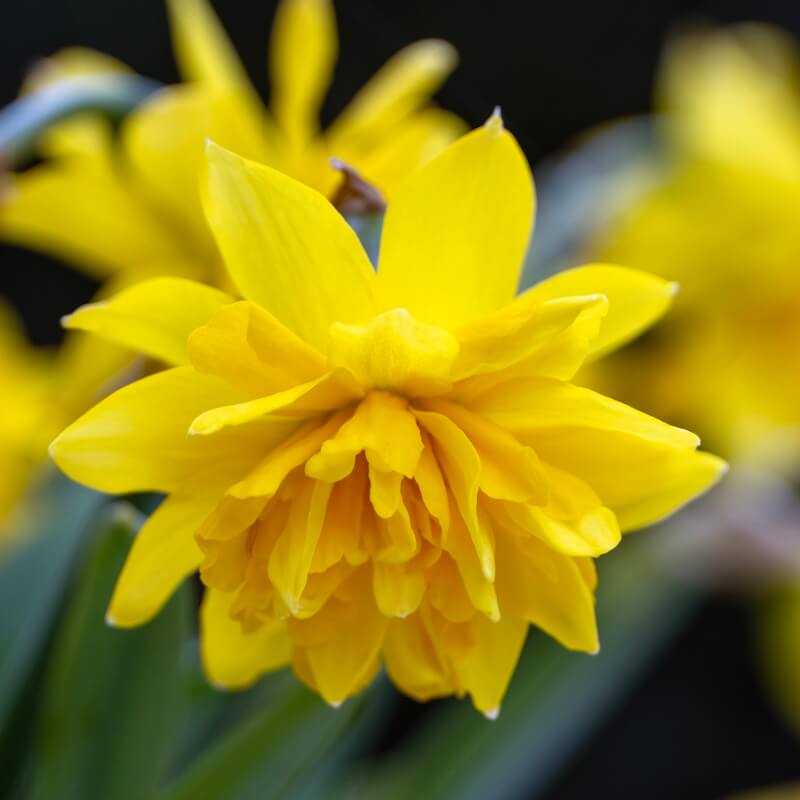
Narcissus Tete Boucle is a compact, double daffodil with masses of texture. Unlike a single-trumpet daffodil, this variety has layered petals packed into the centre. The result feels lush yet tidy. It keeps a neat shape and suits smaller spaces.
This narcissus tete selection grows to around 4-6in tall. That dwarf height makes it perfect for the front of a border or tucked into rockeries or lawns. Each bulb produces sturdy stems that keep its head upright, even in breezy weather.
Many gardeners confuse it with tete-a-tete. While they share size and timing, tete-a-tete has a simple cup. Tete Boucle offers a fully double cup with extra frills. That difference adds depth and character to the display.
What Does the Flower Look Like? A Full Description of Colour and Form
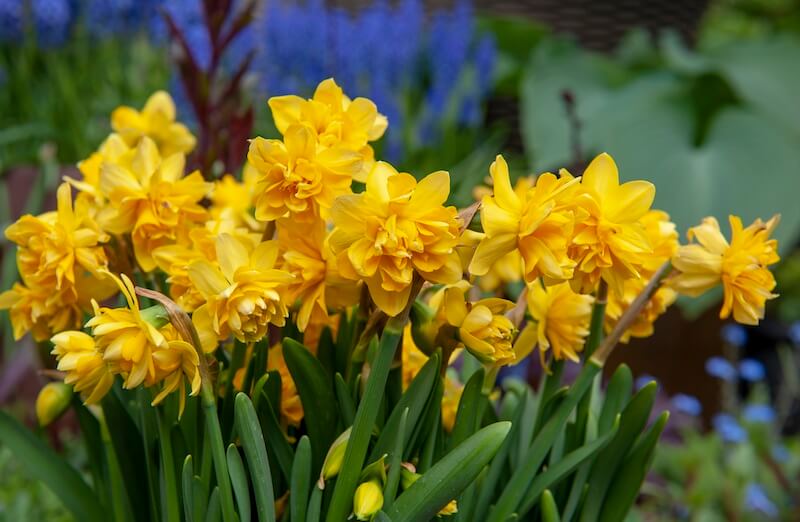
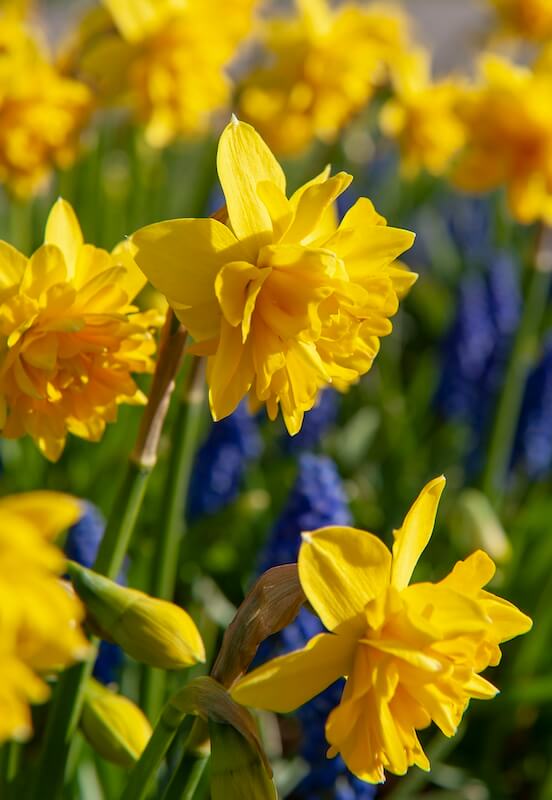
The flower form looks richly layered and rounded. Petals crowd into the centre, creating double flowers with a hint of old-fashioned charm. The golden tones glow in sunlight and brighten grey days.
Each bloom carries a compact structure. You will often see more than one flower per stem, which boosts impact. That trait helps each bulb work hard in small spaces.
The fully double cup blends seamlessly with the outer petal ring. The effect feels balanced rather than heavy. This double daffodil brings texture without overpowering neighbouring plants.
When Do Narcissus Bulbs Bloom and How Long Do They Last?
Narcissus bulbs like this one open in early spring. In most parts of the UK, you will see colour from March into April. The exact time depends on winter temperatures, which often range between 0°C and 8°C (32°F to 46°F).
The bloom period usually lasts several weeks. Cool conditions help each flower hold its shape for longer. Warm spells above 15°C (59°F) can shorten display time.
Because this is a dwarf type, it often flowers among the first spring bulbs. That early splash of colour feels especially welcome after months of grey skies. It sets the tone for the rest of the season.
Where Should You Plant Tete Boucle Bulbs in the Garden?
Choose a sunny or lightly shaded position. Narcissus thrives in bright light during spring before the trees leaf out. A front border works well, where the small stems can shine.
These tete boucle bulbs also suit naturalised areas. You can scatter them through lawns or under deciduous shrubs. Their neat height means they never look untidy.
If you prefer containers, they are suitable for pots on patios and doorsteps. A small pot near the front door creates a welcoming scene. Just ensure good drainage and avoid waterlogging.
How Deep Should You Plant Each Bulb and What Soil Works Best?
Plant 10-15cm deep in autumn for best results. That depth protects each bulb from frost and temperature swings. It also anchors its roots firmly.
Use free-draining soil that does not sit wet in winter—heavy clay benefits from added grit or compost. Healthy soil encourages strong root growth before the first shoots appear.
Position each bulb with the pointed end facing up. Space them a few centimetres apart for a dense look. Once planted, water lightly to settle the soil around the base.
Are These Daffodil Bulbs Suitable for Pots and Containers?
Yes, daffodil bulbs like this perform beautifully in containers. Choose a pot with drainage holes and a quality compost mix. Add a layer of grit at the base for extra protection.
Place bulbs close together for a bold display. In a pot, they can sit slightly nearer than in open ground. This creates a full, beautiful cluster of flowers.
Keep containers in a sheltered spot during harsh frost. Temperatures below -5°C (23°F) can damage exposed roots. Move the pot to a cool shed or against a wall for protection.
How Does This Double Daffodil Compare to Tete a Tete?
Tete à tete remains a classic choice. Both offer compact growth and bright yellow blooms. However, narcissus tete boucle stands out with its double form.
Where tete a tete shows a clear cup, Tete Boucle fills the centre with layered petals. That difference changes the whole look. It feels richer and more textured.
If you enjoy variety, plant both together. The contrast between single and double flowers creates depth. It also extends visual interest across the planting area.
How Do You Care for Narcissus Tete Boucle After Flowering?
After flowering, allow the leaves to die back naturally. Those green blades feed the bulb for next year. Do not cut them too soon.
Feed lightly with a balanced fertiliser once the blooms have faded. This helps the bulb store energy. Avoid tying leaves in knots, as that restricts photosynthesis.
Over time, clumps may become crowded. Lift and divide them in late summer if flowering declines. Replant healthy bulbs at the correct depth for continued success.
Why Is This Little Daffodil Awarded the RHS Award of Garden Merit?
The Royal Horticultural Society (RHS) has recognised Narcissus Tête Bouclé with the prestigious Award of Garden Merit for its exceptional garden performance. This honour highlights its reliability, charming appearance, and ease of cultivation. It is a variety that performs consistently well without requiring special attention, flourishing across a wide range of soils and weather conditions.
Its robust constitution, versatility, and extended flowering period make Tête Bouclé a trusted favourite for gardeners who appreciate both beauty and practicality. The combination of sturdy stems, abundant double flowers, and delightful colour and texture ensures that Tête Bouclé makes an eye‑catching display year after year.
Where Can You Buy High-Quality Narcissus Tete Boucle Bulbs?
Look for a trusted supplier that offers high-quality stock. Check bulb size and firmness before purchase. Larger bulbs often produce stronger plants.
You can buy narcissus tete boucle online from specialist retailers. Many list detailed information and rhs guidance on planting and care. That support helps you choose confidently.
When handling bulbs, keep them cool and dry until planting time. Avoid soft or damaged examples. Good handling protects future performance.
Why Is This Dwarf Narcissus a Versatile Grower for UK Gardens?
This dwarf narcissus adapts well to many settings. It works in borders, containers and naturalised lawns. That makes it a versatile grower for changing layouts.
Its compact height suits small urban plots and larger rural gardens alike. The bright yellow tones complement early tulips and crocuses. It pairs beautifully with low evergreen foliage.
Because each bulb tends to produce reliable flowers per stem, the display feels generous. Plant enough for impact and enjoy the reward each spring.
From Darren’s Patch
Narcissus Tete Boucle earns its place in my garden every single year. I tuck the bulbs into the front of borders and cluster a few in pots by the back door, where I see them daily in early spring. What I love most is that rich, double centre. It feels generous and full, yet the plant stays compact and tidy. Even after a long, grey winter, those golden blooms lift the whole space and signal that the season has truly turned. I also value its dependability. Give it good drainage, plant it at the right depth, and it simply gets on with the job. For reliable colour and character, it is hard to beat.

Key Points to Remember
- Plant each bulb 10-15cm deep in autumn for strong roots
- Choose free-draining soil and a sunny or lightly shaded spot
- Expect bloom in early spring, often through April
- Allow leaves to die back naturally after flowering
- Use in borders, containers, rockeries or lawns for versatility
- Combine with tete a tete for contrast between single and double forms
- Source from a reputable supplier for high-quality narcissus bulbs
Narcissus Tete Boucle proves that small plants can deliver a huge impact. With the right care, each bulb rewards you year after year with bright, double blooms that signal the true start of spring.
Would you like to learn about other bulb varieties? Read about Narcissus Peeping Tom here.
For more information on Spring Flowering Bulbs for your garden, please click here.
Frequently Asked Questions
Q: What makes Narcissus Tete Boucle different from a standard daffodil bulb?
A: Narcissus Tete Boucle stands out for its richly layered, double flower form. Unlike a traditional daffodil with a single trumpet cup, this variety features a fully double cup packed with ruffled petal detail. Each bulb produces compact stems around 4-6in tall, making it a true dwarf selection. The golden yellow tones feel bright and uplifting in early spring. This narcissus offers a fuller look than tete a tete, while keeping the same neat habit. If you want a double daffodil with texture and structure, this bulb delivers strong visual impact in both garden beds and containers across the UK.
Q: When should I plant Narcissus Tete Boucle bulbs and how deep?
A: Plant narcissus tete boucle bulbs in autumn for the best results. Set each bulb at a depth of around 10-15cm to protect it from frost and temperature swings. Choose free-draining soil and a sunny or lightly shaded spot in the garden. This depth anchors the plant securely and supports strong root growth before the first shoots appear. In the UK climate, planting in autumn allows the bulb to settle before winter chill between 0°C and 8°C (32°F to 46°F). Correct planting time and depth ensure reliable bloom in early spring, often peaking in April.
Q: Are these daffodil bulbs suitable for pots and small spaces?
A: Yes, these daffodil bulbs are suitable for pots and compact areas. Their dwarf height makes them ideal for a patio pot, balcony display, or the front of a border. You can plant several bulbs close together in a container to create a dense, pretty cluster of flowers. Ensure the pot has good drainage and use quality compost. In colder spells below -5 °C (23°F), protect containers near a wall or in a shed. This narcissus remains a versatile grower and works beautifully in rockeries or lawns where space feels limited.
Q: How do I care for the plant after flowering?
A: After the flower fades, allow the leaves to remain in place. They feed the bulb and help it store energy for next spring. Avoid cutting foliage too early, even if it looks untidy. Feed the plant lightly after flowering to strengthen the bulb. Over time, clumps may become crowded. Lift and divide in late summer if bloom reduces. Replant healthy narcissus bulbs at the correct depth. Good handling during lifting and replanting protects each bulb and ensures high-quality performance the following season.
Q: How does Narcissus Tete Boucle compare with tete a tete?
A: Both narcissus varieties share a compact, early habit. However, tete a tete produces a simple yellow cup, while narcissus tete offers a fuller, layered look. The fully double cup gives narcissus tete boucle a richer texture. It often carries more flowers per stem, increasing visual impact. If you enjoy variety, plant both together for contrast between single- and double-flowered daffodils. The combination creates depth in a border and extends seasonal interest. Many RHS planting guides highlight how mixing forms adds structure to spring displays.
Q: Can Narcissus Tete Boucle naturalise in the garden?
A: Yes, this bulb naturalises well under the right conditions. Plant it in grass or beneath deciduous trees for a relaxed effect. Allow foliage to die back fully before mowing lawns. This encourages the bulb to produce strong growth the following year. In well-drained soil, the plant reliably returns each spring. Over several seasons, clumps expand and create a broader golden carpet. Its compact size prevents it from overwhelming neighbouring plants. That makes narcissus tete boucle a dependable choice for long-term planting schemes.
Q: Where can I buy Narcissus Tete Boucle bulbs?
A: You can buy narcissus tete boucle bulbs from reputable garden centres across the UK. Many specialist suppliers also offer them online with detailed information and planting guidance. When purchasing, look for firm, high-quality bulbs that are free of damage. Choose a trusted supplier to ensure reliable bloom and strong growth. Buying from established retailers increases your chances of success. Always store the bulb in a cool, dry place before planting in autumn to keep it in good condition.