

Position
- Thrives best in full sun, though it tolerates light dappled shade
- A site providing shelter from strong, persistent winds is beneficial
- Excellent for borders, rock gardens, containers, or naturalising in grass
Hardiness
- Tolerates winter temperatures down to –20 °C (–4 °F)
- For very exposed UK gardens, a light autumn mulch over the planting area offers additional bulb protection
Soil
- Favours fertile, freely draining soil, with loams and sandy loams being particularly suitable
- Improve less-than-ideal soils, especially heavy ones, by incorporating garden compost or sharp grit to ensure superior drainage
- Must avoid consistently waterlogged heavy clay, as this is highly detrimental to bulb health
- Highly adaptable across the pH scale, flourishing in acid, neutral, or alkaline soils
- Performs optimally when organic content helps sustain both good soil structure and balanced moisture levels, preventing saturation
- Grab a soil test kit and ensure the perfect conditions for growth
Height
- Established clumps typically produce numerous stems reaching 20–25 cm (8–10 in) in height each spring
Seasons of Interest
Additional Notes
- Plant bulbs in autumn at a depth of around 10 cm, spacing them approximately 7 cm apart, to achieve a bold and cohesive display
- Allow the foliage to yellow and die back completely before cutting it down, as this vital stage allows the bulbs to replenish their energy for the following year
- Lift and divide congested clumps every 3–4 years once the leaves have fully withered, helping to maintain healthy growth and prolific flowering
- Remove spent blooms promptly to keep the display neat and direct the plant’s energy into developing strong bulbs for next season
- Handle bulbs with care, wearing gloves if possible, as all parts of the plant contain mild toxins. Keep them out of reach of children and pets
- Ideal for naturalising in lawns and grassy areas; where necessary, gently lift and replace turf after flowering to minimise disturbance and preserve future growth
Narcissus Quail - The Sweetly Scented Daffodil with Deep Yellow Blooms
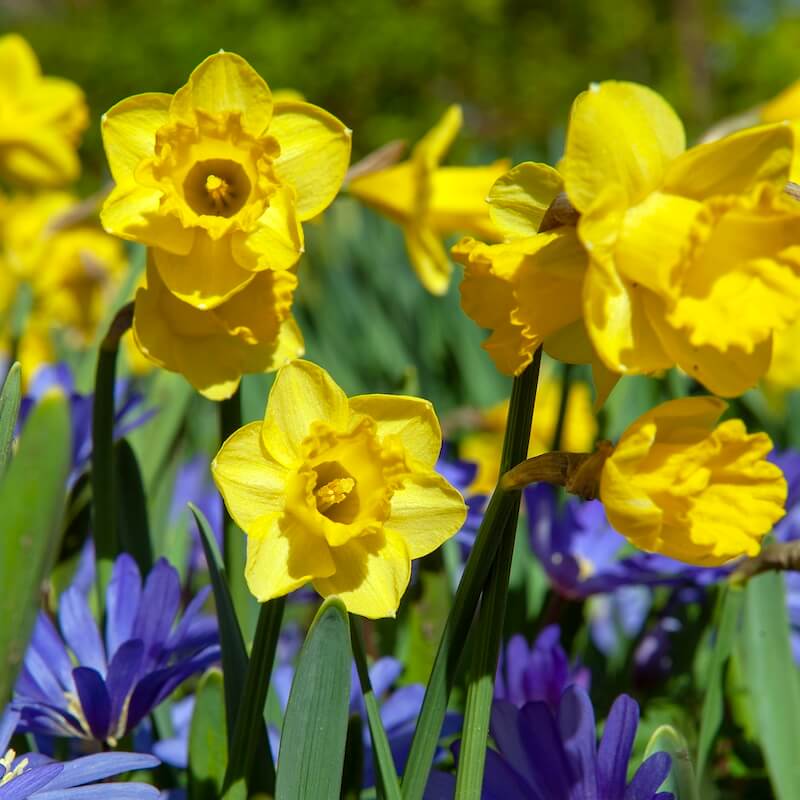
Narcissus Quail is a radiant jonquilla daffodil that fills the spring garden with clusters of golden yellow flowers and a delightfully fragrant scent. Its cheerful blooms and easy-going nature make it one of the most rewarding bulbs to grow, both in borders and pots. Perfect for sunny spots or areas with partial shade, Narcissus Quail brings warmth, brightness, and vitality to the garden just when we need it most.
What Makes Narcissus Quail Such a Special Plant?
Narcissus Quail is a jonquilla daffodil, part of a group known for their sweet fragrance and multiple flowers per stem. Each stem carries up to 2 or 3 golden-yellow flowers, making it a striking and prolific performer. Its deep yellow petals and slightly darker yellow cups create a strong contrast that stands out in any bed, border, or container.
This perennial plant is reliable, long-lived, and hardy, returning year after year with more blooms. Narcissus Quail also holds the prestigious RHS Award of Garden Merit, proof of its quality and performance in UK gardens. It’s perfect for gardeners seeking a plant that delivers beauty, fragrance, and ease of growth in equal measure.
When and How to Plant Narcissus Bulbs
To enjoy a spectacular spring display, plant Narcissus Quail bulbs in autumn, before the first hard frost arrives. Autumn planting allows bulbs to establish roots before winter sets in, ensuring vigorous growth the following growing season.
Choose a sunny or lightly shaded spot with well-drained soil. Narcissus bulbs dislike sitting in soggy ground, so if your soil is heavy, add grit or organic matter to improve drainage. Plant each bulb at a depth roughly three times its height, usually around 10–15cm, with the pointed end facing upwards.
Water the bulbs after planting to help settle the soil around them. Once in the ground, they need little attention until shoots appear in late winter. Narcissus Quail is an easy-to-grow bulbous herbaceous perennial that rewards minimal care with a dazzling spring bloom.
What Conditions Help Narcissus Quail Thrive?
Narcissus Quail thrives in full sun but also performs well in partial shade, making it versatile for a variety of garden settings. It prefers well-drained soil that stays moist during its growing season but dries out slightly in summer when the bulbs are dormant.
Ideal temperatures for strong growth range from 5°C (41°F) during dormancy up to around 20°C (68°F) in spring. These mild conditions encourage healthy root development and long-lasting flowers.
This narcissus also benefits from being planted in groups for maximum visual impact. The clusters of golden yellow flowers make a radiant statement whether grown in borders, lawns, or beneath deciduous trees.
How Does the Jonquilla Daffodil Differ from Other Narcissus Types?
The jonquilla daffodil group, which includes Narcissus Quail, is loved for its smaller, multi-headed flowers and intense fragrance. Unlike the larger trumpet daffodils, jonquilla varieties bear several blooms per stem and feature narrow, reed-like leaves that give them a graceful form.
Their petals often have a glossy sheen, and their scent is distinctly sweet and floral. The jonquilla’s compact growth habit makes it especially suited to pots, containers, and front borders.
Narcissus Quail embodies all these qualities with its golden yellow petals, fragrant scent, and dependable nature. It’s an excellent choice for adding colour and perfume to garden beds or patio pots.
How to Grow Narcissus Quail in Pots and Containers
Narcissus Quail is an excellent choice for pots and containers, bringing cheerful spring colour to patios, balconies, and entrances. Use a quality bulb compost or a mix of garden soil and grit to ensure the bulbs stay in well-drained soil.
Plant the bulbs close together but not touching—about 5cm apart—and cover them with about twice their depth in compost. Place the pot in a sunny or lightly shaded location. During winter, the bulbs remain dormant, but once spring arrives, strong stems and foliage will quickly emerge.
As they bloom, the yellow flowers create a compact, eye-catching display that brightens any outdoor space. After flowering, let the foliage die back naturally before removing it. This process feeds the bulbs and ensures a strong display the following year.
How to Use Narcissus Quail in the Garden
Narcissus Quail adds a splash of cheerful colour wherever it’s planted. It fits beautifully into mixed borders, where its bright, deep yellow blooms contrast with early tulips or blue muscari. Its compact size also makes it perfect for the front of beds and along pathways.
In the wider garden, try planting Narcissus Quail in drifts beneath deciduous trees or shrubs, where the bulbs enjoy full sun in spring before the canopy fills in. This jonquilla daffodil naturalises well, forming clumps that increase over time to create a more abundant display each year.
Its fragrant flowers make fabulous cut flowers, too. Gather a few stems for indoor arrangements—their sweet scent and golden yellow petals bring instant warmth to any room.
Why Narcissus Quail Deserves Its RHS Award of Garden Merit
The RHS Award of Garden Merit recognises plants that perform reliably in British conditions. Narcissus Quail earned this award for its consistent flowering, strong stems, and long-lasting display.
This jonquilla daffodil combines durability with charm. Its hardy bulbs tolerate temperatures as low as -10°C (14°F) and still bloom beautifully in spring. The flowers per stem and bright golden colour bring instant joy to any garden.
In addition to its beauty, Narcissus Quail has a practical side. Its neat size, fragrant scent, and reliable growth make it a versatile choice for every garden setting—from small city courtyards to sweeping countryside plots.
What Kind of Care Does Narcissus Quail Need After Flowering?
After flowering, Narcissus Quail needs a little attention to stay healthy and ready for the next season. Remove faded blooms by cutting the flower stem near the base, but leave the foliage to continue growing. The green leaves photosynthesise, storing energy in the bulbs for the following spring’s bloom.
Allow the leaves to yellow naturally before removing them. Cutting them too early can weaken the bulb. If you’ve grown Narcissus Quail in pots, feed the bulbs with a balanced fertiliser after flowering, then reduce watering as the foliage dies back.
Once the leaves have entirely withered, store the pots somewhere dry or plant the bulbs into a garden bed for the summer. With this simple care, your bulbs will reward you with strong blooms every year.
Can You Grow Narcissus Quail in Partial Shade?
Yes, Narcissus Quail grows happily in both partial shade and full sun. This flexibility makes it ideal for gardens where sunlight varies through the day.
In partial shade, it performs beautifully under trees or beside taller plants. Just make sure the soil remains well-drained and not overly moist. Even in dappled shade, the golden yellow petals of Narcissus Quail will shine brightly, lifting darker corners of the garden.
Because it’s so adaptable, this daffodil quail can also thrive in containers placed in sunny or semi-shaded areas. It’s one of the most forgiving and reliable jonquilla daffodils you can grow.
How to Combine Narcissus Quail with Other Flower Bulbs
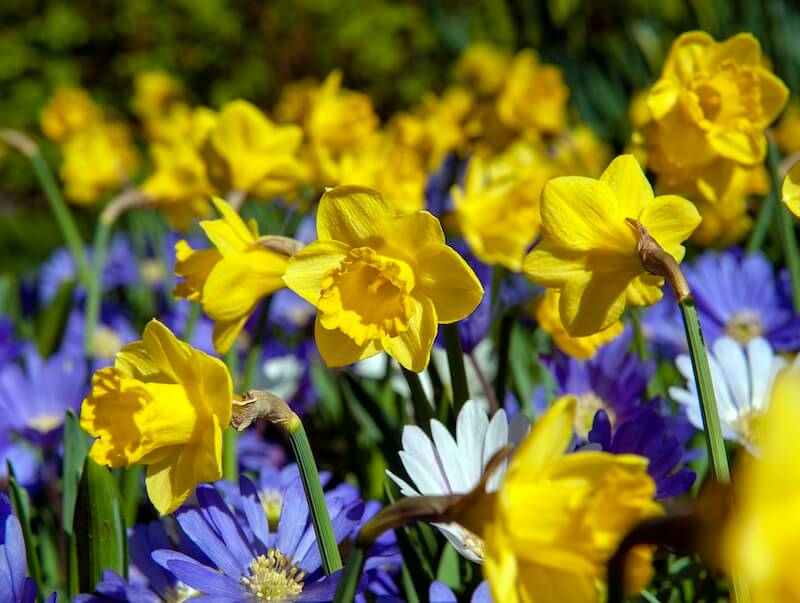
Narcissus Quail pairs perfectly with other spring-flowering bulbs. Combine it with early tulips, crocuses, or hyacinths for a colourful mix that lasts for weeks. Its golden yellow flowers complement blues, purples, and pinks beautifully.
You can also plant Narcissus Quail alongside other jonquilla daffodil varieties for a fragrant display that varies subtly in shade and shape. The multi-headed flowers and slender stems create a natural, informal look in any border.
For pots and containers, mix Narcissus Quail with violas or pansies. The combination of cheerful yellow and soft pastel tones adds charm to patios and entrances.
Why Every Gardener Should Grow Narcissus Quail
Few spring plants combine fragrance, colour, and reliability as effortlessly as Narcissus Quail. Its easy-to-grow nature, prolific flowering, and adaptability make it a must-have for gardens of all sizes.
This narcissus adds a touch of sunshine wherever it’s planted, whether in beds, borders, or containers. Its fragrant scent is a delight, and its neat, tidy foliage complements other spring blooms.
With its RHS Award of Garden Merit, Narcissus Quail has proven itself as a top performer in UK conditions. For anyone looking to buy narcissus bulbs that offer lasting impact, Narcissus Quail is a wise and rewarding choice.
From Darren’s Patch
Narcissus Quail has a special place in my spring garden for the simple reason that it never lets me down. Its deep golden blooms seem to glow even on dull March mornings, and that sweet jonquilla scent is one of those little seasonal pleasures that lifts the spirits after winter. I love planting it near paths and patios where the fragrance can really be appreciated, and in pots by the back door, it’s a real show-stopper. For me, it’s the perfect daffodil — cheerful, hardy, and wonderfully reliable. Once you’ve grown it, you’ll understand why it’s earned that RHS Award of Garden Merit.

Key Points to Remember
- Plant in autumn at a depth of about three times the bulb’s height
- Choose well-drained soil in full sun or partial shade for best results
- Each stem bears multi-headed blooms with up to three flowers per stem
- Golden yellow petals and a fragrant scent make this jonquilla daffodil irresistible
- Ideal for borders, beds, and pots and containers across the garden
- Allow foliage to die back naturally to feed the bulb for next season
- Hardy and perennial, thriving in UK temperatures down to -10°C (14°F)
- Perfect for cut flowers, adding colour and fragrance indoors
- RHS Award of Garden Merit confirms its quality and reliability
- Easy to grow and low-maintenance, suitable for every type of gardener
If you’re looking for a daffodil that combines reliability, fragrance, and radiant colour, Narcissus Quail is an excellent choice. Its golden-yellow flowers and compact habit make it perfect for both gardens and containers, while its sweet scent adds extra charm. Easy to grow, hardy, and full of spring cheer, this jonquilla daffodil deserves a place in every UK garden. Plant the bulbs in autumn, sit back, and look forward to a bright, joyful display that signals the return of spring each year.
Would you like to learn about other bulb varieties? Read about Narcissus Avalanche here.
For more information on Spring Flowering Bulbs for your garden, please click here.

Frequently Asked Questions
Q: What is Narcissus Quail?
A: Narcissus Quail is a compact jonquilla daffodil prized for its clusters of deep yellow flowers and delightful fragrance. Each strong stem carries several small blooms, filling the garden with a cheerful golden glow in spring. This bulbous herbaceous perennial is known for its upright habit, glossy green foliage, and long flowering season. Easy to grow and dependable, it’s a favourite among gardeners who appreciate reliable spring colour. Narcissus Quail thrives in borders, pots, and containers, offering a rich display that brightens both sunny and partially shaded spots.
Q: How do I plant Narcissus Quail bulbs?
A: To plant Narcissus Quail bulbs, choose a sunny or partial shade position with well-drained soil. Plant the bulbs in autumn, around 10–15cm deep, and space them about 8–10cm apart. If you’re planting in heavy clay, mix in grit to improve drainage. These daffodil bulbs grow best in moist but not waterlogged conditions during their growing season. Once planted, water lightly, then allow nature to take its course. Each bulb holds everything it needs to produce vibrant, fragrant yellow flowers in spring, bringing a touch of sunshine to your garden beds and borders.
Q: When does Narcissus Quail bloom?
A: Narcissus Quail typically blooms from mid to late spring, producing clusters of bright, deep yellow flowers that signal the season’s warmth. Each stem bears multiple blooms, creating a multi-headed display that lasts for weeks. The jonquilla daffodil’s fragrant scent adds charm to gardens and containers alike, making it a superb choice for both outdoor and indoor enjoyment. Cooler spring temperatures can prolong flowering, ensuring you enjoy their colour for longer. Their late flowering time also makes them perfect companions for early tulips and hyacinths, extending your spring display beautifully.
Q: How tall does Narcissus Quail grow?
A: Narcissus Quail usually reaches a height of 20–30cm, making it ideal for pots, front borders, or mass plantings. Despite its modest size, each stem supports several golden yellow flowers that stand out vividly against the green foliage. This low-growing daffodil adds a bright splash of colour to any garden bed or container. Its neat, compact habit makes it especially suitable for smaller gardens, balconies, and patios where space is limited but impact is still desired. The plant’s upright stems remain sturdy, even in breezy spring weather.
Q: Can Narcissus Quail be grown in pots and containers?
A: Yes, Narcissus Quail thrives in pots and containers, offering a versatile way to add colour to patios, balconies, and doorsteps. Choose a container with good drainage holes and fill it with a mix of compost and grit for well-drained soil. Plant the bulbs close together for a full display, leaving a few centimetres between each one. Water after planting, then keep the compost slightly moist throughout the growing season. As the fragrant flowers open, you’ll enjoy a cheerful display of golden yellow petals that last for weeks.
Q: Does Narcissus Quail prefer full sun or partial shade?
A: Narcissus Quail grows well in full sun or partial shade. It’s a flexible variety that performs beautifully in most garden conditions, provided the soil is well-drained. In sunnier spots, it produces more compact, upright growth and abundant flowers. In partial shade, it still blooms reliably, especially beneath deciduous trees that allow light through in early spring. This versatility makes it perfect for beds, borders, and mixed plantings where varying light levels occur. With the right spot, Narcissus Quail rewards you with bright yellow blooms year after year.
Q: How do I feed Narcissus Quail during the growing season?
A: Feed Narcissus Quail bulbs twice each year to keep them strong and productive. Apply a balanced bulb feed or a slow-release fertiliser when shoots appear in early spring. Feed again after flowering to help replenish the bulbs’ energy reserves. Avoid overfeeding with nitrogen-rich products, as they can promote leafy growth rather than flowers. Regular feeding ensures your jonquilla daffodil produces more flowers per stem, maintaining its prolific performance. Once the foliage starts to yellow, stop feeding and let the bulbs rest until the next growing season.
Q: Can Narcissus Quail be grown indoors?
A: Yes, Narcissus Quail can be grown indoors for early spring colour and fragrance. Choose firm, healthy bulbs and plant them in shallow pots filled with bulb fibre or compost. Water lightly, then store the pots in a cool, dark place for 6–8 weeks until shoots appear. Move them to a bright window at around 10–15°C, and soon you’ll enjoy their fragrant yellow flowers. The compact size of Narcissus Quail makes it ideal for indoor forcing, bringing a burst of spring sunshine and a soft scent into your home.
Q: Is Narcissus Quail good for cut flowers?
A: Absolutely. Narcissus Quail makes excellent cut flowers, with each stem offering multiple small blooms that hold well in water. Their golden yellow petals and sweet scent brighten vases and floral arrangements for up to a week. To extend vase life, cut the stems when the first buds begin to open and place them in clean, cool water. These daffodils mix beautifully with other spring flowers, such as tulips, hyacinths, and anemones, creating a fresh, colourful bouquet that captures the essence of spring.
Q: Where can I buy Narcissus Quail bulbs in the UK?
A: Narcissus Quail bulbs are readily available in the UK from reputable garden centres, nurseries, and online retailers. When you buy Narcissus bulbs, choose firm, plump bulbs with no signs of damage or mould. Purchase them in autumn for the best selection and to ensure timely planting before winter sets in. Whether you’re planting in beds, borders, or pots, buying from trusted suppliers guarantees high-quality bulbs that deliver consistent results and vibrant, golden-yellow flowers each spring.