

Position
- Optimal for prolific flowering in full sun, though it tolerates light dappled shade
- A location providing shelter from strong, persistent winds is advantageous
- Superb for mixed borders, mass planting, rockeries, or containers
Hardiness
- Resilient to winter temperatures as low as –20 °C (–4 °F)
- In particularly exposed UK gardens, a light application of mulch in autumn over the planting area is beneficial
Soil
- Favours fertile, freely draining soil, with loams and sandy loams being particularly suitable
- Improve less-than-ideal soils, especially heavy ones, by incorporating garden compost or sharp grit for superior drainage
- Must avoid consistently waterlogged heavy clay, which is highly detrimental to bulb health
- Highly versatile across the pH scale, flourishing in acid, neutral, or alkaline soils
- Performs optimally when organic content helps sustain both good soil structure and balanced moisture levels, preventing saturation
- Grab a soil test kit and ensure the perfect conditions for growth
Height
- Established clumps typically produce robust stems reaching 30–40 cm (12–16 in) in height each spring
Seasons of Interest
Additional Notes
- Autumn Planting: For effective spring interest, set bulbs in the ground during autumn, approximately 10–12 cm deep with 7–10 cm spacing.
- Foliage Management: Post-flowering, it’s essential to let the green foliage completely yellow and decay naturally; this process is crucial for the bulb’s energy replenishment.
- Division: If clumps become too dense, they can be gently lifted and divided every 3–4 years in summer, after the leaves have withered.
- Maintenance: Remove spent blooms to promote a tidier appearance and conserve the bulb’s resources.
- Toxicity Warning: Exercise caution as all plant components are slightly toxic; employ gloves during handling and keep them away from inquisitive children and pets.
- Lawn Integration: Superb for planting within grassy areas; after the flowers fade and leaves yellow, ensure turf is carefully replaced if disturbed.
Daffodil Peeping Tom - Perfect for Borders, Pots, and Naturalising
Narcissus Peeping Tom is a dainty yellow daffodil that bursts into bloom in early spring, spreading sunshine across your garden when most plants are still waking from winter. With its long, golden-yellow trumpets and charming yellow reflexed petals, this cyclamineus daffodil adds energy, cheer, and warmth to borders, lawns, and containers. Admired for its resilience, neat habit, and distinctive flower shape, it’s a reliable performer that’s equally happy naturalising in grass or brightening a patio pot. Recognised by the RHS with the prestigious Award of Garden Merit, Narcissus Peeping Tom is a must-have for anyone who loves a garden full of colour and life.
What Makes Narcissus Peeping Tom Such a Standout Daffodil?
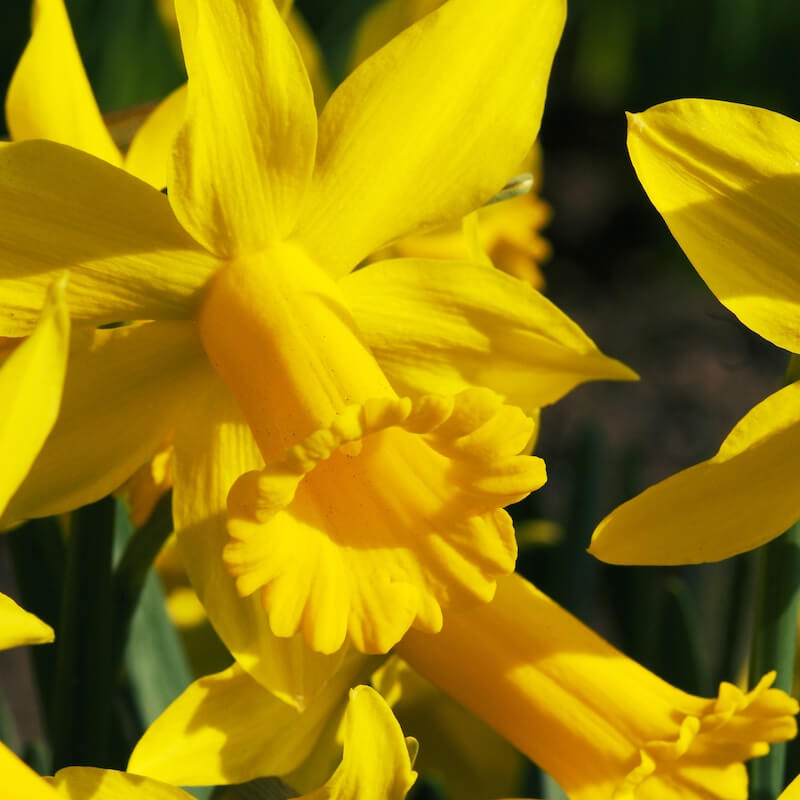
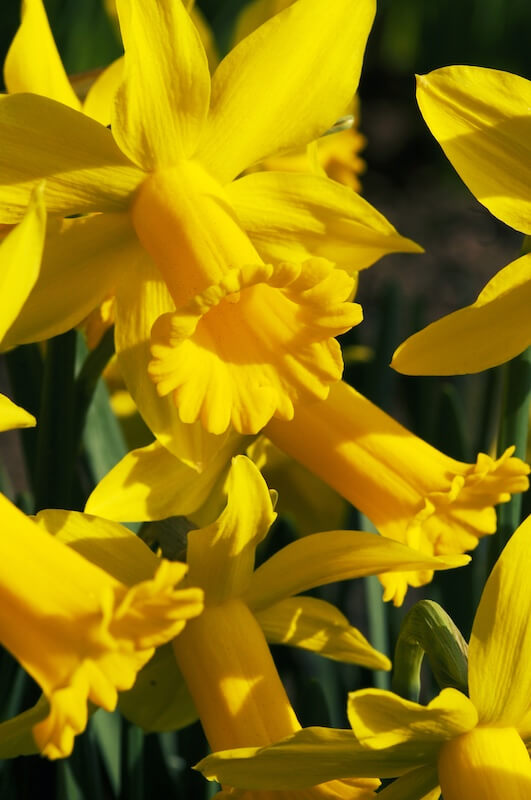
Narcissus Peeping Tom is a cyclamineus daffodil known for its unique reflexed petals that sweep back gracefully from a bold, golden yellow trumpet. This distinctive shape gives the flower an energetic, windswept look that stands out beautifully in any spring garden. Its cheerful, dainty yellow blooms face forward, catching the light and bringing a sense of movement to borders and grassy drifts.
This little daffodil reaches around 25–30cm in height, making it perfect for the front of borders or for planting among low spring bulbs. It’s a hardy variety that thrives in most UK gardens and copes well with cooler temperatures down to -10°C (14°F). The flowers often last longer than most daffodils, offering several weeks of golden colour when you need it most.

How to Plant Narcissus Bulbs for the Best Results
For a dazzling spring display, plant Narcissus Peeping Tom bulbs in autumn, ideally between September and November. Choose a sunny or lightly shaded position with well-drained soil. Heavy clay can be improved with organic matter or grit to create a more free-draining texture.
Plant each bulb 10cm apart and around 10–15cm deep, with the pointed end facing upwards. This ensures the bulbs develop strong roots before winter sets in. Keep the soil moist during the growing season but avoid waterlogging, as this can cause the bulbs to rot. Once established, these hardy daffodils will naturalise beautifully, returning year after year with minimal attention.
What Growing Conditions Does This Cyclamineus Daffodil Prefer?
Like most Narcissus, Peeping Tom prefers full sun but will also flower well in partial shade. Well-drained soil is essential, as bulbs dislike sitting in soggy ground. A moist but airy soil texture allows roots to develop freely while preventing rot.
For the healthiest plants, enrich the soil with compost before planting. The bulbs thrive in soil that retains moisture without becoming compacted. If your garden tends to dry out quickly, a layer of mulch will help retain water and keep roots cool. In spring, a sunny position enhances the golden yellow trumpets’ bright colour and encourages strong blooms.
How to Care for Narcissus Peeping Tom After Flowering
Once your daffodils finish flowering, allow the foliage to die back naturally. This process helps the bulb absorb nutrients for next year’s growth. Avoid cutting or tying the leaves, as they need sunlight for photosynthesis during the growing season.
After about six weeks, when the leaves turn yellow and limp, you can remove them. Apply a light dressing of compost or a balanced fertiliser in late summer to encourage healthy bulbs and strong flower development for the following spring. If your daffodils are growing in a container, keep the compost slightly moist until the foliage dies back, then allow the pot to dry out during summer dormancy.
Can You Grow Narcissus Peeping Tom in Pots and Containers?
Absolutely! Narcissus Peeping Tom makes an excellent addition to pots and containers, brightening patios, balconies, and front doorsteps. Its small stature and upright habit make it easy to combine with other early-spring flowers, such as crocuses or violas.
When planting in a container, use a good-quality peat-free compost mixed with grit for drainage. Space the bulbs closely for a full effect, ensuring each sits about twice its height below the surface. Keep the compost moist during the growing season and place the pot in full sun. Once the blooms fade, move the container to a cool, sheltered spot to allow the foliage to wither naturally.
Why Choose Narcissus Peeping Tom for Borders and Naturalising?
Peeping Tom’s size and shape make it ideal for borders and for naturalising in grass. In borders, the bright golden yellow flowers provide contrast against early perennials and evergreens, lifting dull areas with their fresh colour. When planted in generous groups or drifts, they create a natural effect that flows beautifully through a spring garden.
For a more informal look, plant the bulbs randomly in lawns or under trees where they can multiply naturally. Over time, they form dense clusters that bloom reliably each year. Because these daffodils are hardy and long-lived, they’re perfect for creating lasting displays that need little maintenance.
How Does Peeping Tom Compare with Other Daffodils?
Compared with larger trumpet types, Narcissus Peeping Tom has a lighter, more graceful look thanks to its reflexed petals and smaller size. While many daffodils produce blooms that face downwards, Peeping Tom’s flowers face outward, making them more visible and dynamic in the garden.
It also flowers for a longer period than most daffodils, often blooming from early to mid-spring, depending on the weather. This extended flowering makes it a valuable addition to mixed bulb plantings where you want continuous colour. As a cyclamineus daffodil, it shares its distinctive form with other members of the group but remains one of the brightest and most cheerful.
Is Narcissus Peeping Tom Suitable as a Cut Flower?
Yes, Peeping Tom is excellent as a cut flower. Its neat stems and long-lasting blooms make it ideal for small vases and spring arrangements. The golden yellow trumpets and yellow reflexed petals look stunning against fresh green foliage and add cheer to any room.
When cutting, pick flowers just as the buds begin to open. Place them in cool water for several hours before mixing with other varieties. The sap released from Narcissus stems can affect other flowers, so let it drain first before combining in a bouquet. Indoors, they create an attractive indoor display that brings the spirit of spring inside.
Why Is This Little Daffodil Awarded the RHS Award of Garden Merit?
The Royal Horticultural Society (RHS) granted Narcissus Peeping Tom the Award of Garden Merit for its outstanding garden performance. This recognition confirms its reliability, beauty, and ease of cultivation. It’s a variety that delivers consistent results without demanding special care, thriving in a range of soils and weather conditions.
Its hardiness, adaptability, and long bloom period make it a dependable favourite among gardeners who value both form and function. The combination of sturdy stems, rich colour, and distinctive reflexed petals ensures Peeping Tom stands out year after year.
Can Narcissus Peeping Tom Be Grown Indoors?
Yes, you can force Peeping Tom bulbs to bloom indoors for an early burst of spring. To do this, pot up bulbs in autumn using a free-draining compost and water lightly. Keep the pots in a cool, dark place for about 10 weeks while the roots develop.
Once shoots appear, bring the pots into a bright, cool room and keep the compost moist. Within weeks, you’ll enjoy dainty yellow blooms that fill the room with cheer. This method works beautifully for creating an attractive indoor display during the darker months.
From Darren’s Patch
There’s something wonderfully uplifting about seeing the first daffodils bloom after a long winter, and Narcissus Peeping Tom is one that never disappoints. Its bright golden yellow trumpets seem to catch the light even on grey days, adding a warmth that instantly lifts the mood of the garden. I’ve used it in borders where its tidy habit complements other early risers like hellebores and primroses, but it’s equally striking in pots by the front door, greeting you with that cheerful nod every morning. It’s a low-maintenance, high-reward plant — hardy, long-lived, and generous with its colour. If you’re planning your spring display, Peeping Tom is a daffodil that truly earns its space, brightening borders and containers with a dependable burst of sunshine year after year.

Key Points to Remember
- Plant in autumn in well-drained soil, spacing bulbs a distance of 10cm apart and at least 10cm deep
- Choose sunny or lightly shaded spots; they thrive in full sun and moist but not waterlogged soil
- Ideal for borders and containers, and excellent for naturalising in grass
- Flowers appear in early spring, offering a more extended period of colour than many daffodils
- Recognised with the RHS Award of Garden Merit for reliability and outstanding performance
- Reflexed petals and golden yellow trumpets give it a distinctive cyclamineus charm
- Keep soil moist during the growing season, then allow foliage to die back naturally
- Excellent as a cut flower or for creating an attractive indoor display
- Hardy and long-lived, returning every spring with cheerful yellow blooms
- Perfect for creating natural drifts or adding brightness to small containers
Narcissus Peeping Tom is a delightful addition to any spring garden, combining charm, colour, and reliability. Its golden yellow trumpets, dainty stature, and long flowering period make it a joy to grow in borders, lawns, and containers alike. Easy to care for, hardy, and perfect for naturalising, it’s an excellent choice for gardeners who want effortless early spring colour. Whether you’re planting a few bulbs or creating generous drifts, this little daffodil promises to brighten even the dullest days with its cheerful, sunlit blooms.
Would you like to learn about other bulb varieties? Read about Narcissus Pink Pride here.
For more information on Spring Flowering Bulbs for your garden, please click here.
Frequently Asked Questions
Q: What is Narcissus Peeping Tom, and why is it such a popular daffodil?
A: Narcissus Peeping Tom is a delightful cyclamineus daffodil known for its golden yellow trumpets and charming yellow reflexed petals. Its dainty yellow blooms face slightly downward, giving it a graceful, natural look. This hardy little daffodil stands out for flowering over a more extended period than most daffodils, bringing early spring cheer to borders, lawns, and containers. A recipient of the RHS Award of Garden Merit, it’s admired for its reliability, strong performance, and resilience in unpredictable weather. Perfect for naturalising in grass or planting in small drifts, it brings effortless brightness to any spring garden.
Q: When and how should I plant Narcissus Peeping Tom bulbs?
A: Plant Narcissus Peeping Tom bulbs in autumn, ideally from September to November, before the first frost. Choose a sunny or lightly shaded spot with well-drained soil. Dig holes around 10–15cm deep, spacing each bulb 10cm apart. Place the pointed end upwards and cover with soil, watering well to help roots establish. For best results, keep the soil moist during the growing season but not waterlogged. In containers, use a free-draining compost mix and ensure adequate drainage. Once planted, these bulbs will naturalise beautifully, rewarding you with cheerful golden yellow trumpets every early spring.
Q: What kind of soil and position does Narcissus Peeping Tom prefer?
A: Narcissus Peeping Tom thrives in well-drained soil and a position that receives full sun or partial shade. It performs beautifully in rich loam, sandy soil, or even light clay, provided drainage is improved with grit or organic matter. Keeping the soil moist during the growing season encourages healthy foliage and strong blooms. This little daffodil prefers a sheltered spot, particularly in colder regions, to protect its dainty stems from harsh winds. Whether planted in borders, containers, or naturalised areas, the cyclamineus daffodil Peeping Tom rewards with vibrant colour and strong spring performance year after year.
Q: Can Narcissus Peeping Tom be grown in containers?
A: Yes, Narcissus Peeping Tom grows perfectly in pots or containers, making it an excellent choice for patios, balconies, and entrances. Select a deep container with drainage holes and fill it with peat-free compost mixed with horticultural grit to keep the soil well-drained. Plant bulbs close together, about 2–3cm apart, and water them after planting. Keep the compost moist but not soggy throughout the growing season. Once in bloom, these dainty yellow flowers create an attractive indoor display if you move the container indoors to enjoy their cheerful colour and delicate fragrance.
Q: How should I care for Narcissus Peeping Tom after flowering?
A: Once your daffodil Peeping Tom finishes flowering, remove the spent blooms to prevent seed formation, but leave the foliage intact. Allow the leaves to die back naturally, as this helps the bulb store energy for the next growing season. Water only if the weather is dry, and apply a light feed to strengthen the bulbs for future growth. In containers, continue light watering and feeding until the foliage yellows. Once the leaves have completely faded, reduce watering and allow the soil to dry. With this simple care routine, these hardy bulbs will return stronger each early spring.
Q: Is Narcissus Peeping Tom suitable for borders and spring gardens?
A: Absolutely. Narcissus Peeping Tom is ideal for borders, rockeries, and spring gardens where its cheerful golden yellow trumpets can really shine. Its small stature makes it perfect for the front of borders, where it complements early perennials and ground cover plants. The dainty flowers, with their yellow reflexed petals, create a lovely contrast against dark foliage or evergreens. Planting in small drifts gives a naturalising effect that blends seamlessly into the garden, while the blooms’ more extended flowering period ensures colour remains in your borders well into spring.
Q: Can Narcissus Peeping Tom be used as a cut flower?
A: Yes, Narcissus Peeping Tom makes a charming cut flower for small spring arrangements. Its dainty stems and golden blooms bring a touch of freshness and natural beauty indoors. Cut the flowers early in the morning, just as the blooms open, and place them in cool water for a few hours before arranging. The golden yellow trumpets add warmth and brightness to any bouquet. For best results, display them alone or pair with other early bulbs like crocus or snowdrops. This cyclamineus daffodil’s cheerful nature makes it a perfect choice for small, elegant cut flower displays.
Q: Can Narcissus Peeping Tom naturalise in grass or woodland areas?
A: Yes, Narcissus Peeping Tom is excellent for naturalising in grass, under trees, or along woodland edges. Its small stature and hardy nature allow it to blend seamlessly into natural settings, creating a beautiful spring drift effect. Plant the bulbs in informal clusters rather than straight lines for a more natural appearance. Over time, they will multiply and spread, offering a charming display of golden yellow blooms each year. Because they flower early, they complete their growing cycle before the grass needs mowing, making them an easy and rewarding addition to naturalised areas.
Q: Are Narcissus Peeping Tom bulbs harmful if eaten?
A: Like all narcissus bulbs, Narcissus Peeping Tom bulbs are harmful if eaten. They contain natural alkaloids that can cause stomach upset in humans and pets. Always wear gloves when handling large quantities of bulbs and keep them out of reach of children and animals. Once planted, the risk is minimal, and the reward is great — beautiful early spring blooms that return year after year with very little maintenance. Handle bulbs carefully and enjoy their long-lasting colour and fragrance safely in your garden.
Q: Where can I buy Narcissus Peeping Tom bulbs in the UK?
A: Narcissus Peeping Tom bulbs are readily available in the UK, both online and at reputable garden centres. You’ll find them listed among spring-flowering or cyclamineus daffodil collections. Choose firm, healthy bulbs to ensure the best results and reliable blooms. Whether you shop locally or prefer the convenience of online suppliers, these bulbs are easy to source and plant. Perfect for borders, containers, or naturalising in lawns, Narcissus Peeping Tom adds early colour and cheerful energy to your garden with minimal effort.