
Position
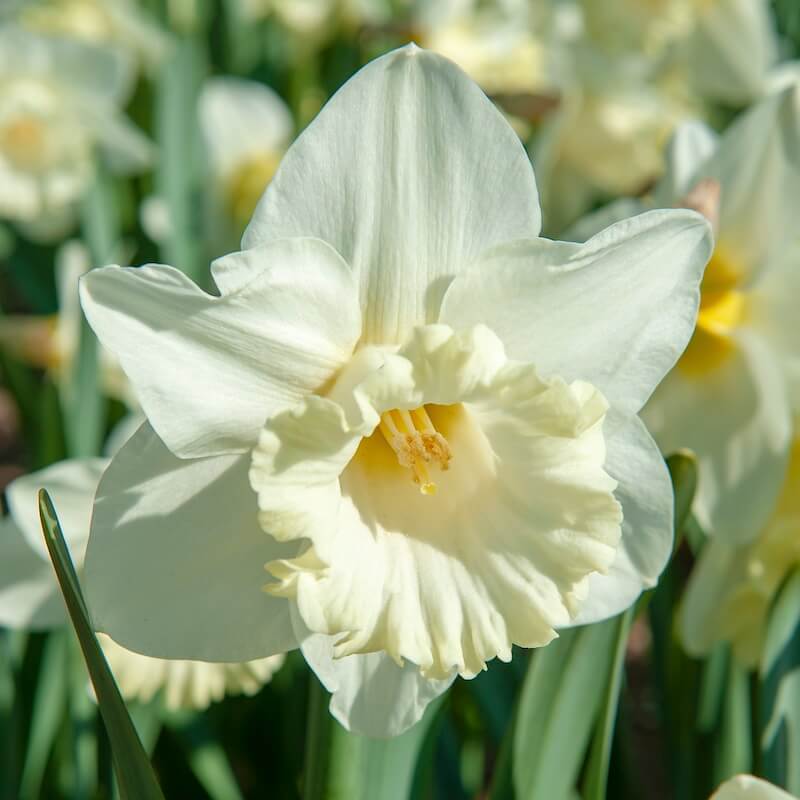
- This variety performs optimally in full sun or partial shade; a brighter position ensures the large trumpets develop their characteristic colour transition from pale primrose to pure white
- It is particularly effective when naturalised in drifts under deciduous trees, planted in the middle of a herbaceous border, or used as a bold focal point in large containers
-
Hardiness
-
Extremely robust and well-suited to the British climate, ‘Mount Hood’ can comfortably withstand winter temperatures dropping as low as −15°C to −20°C (5°F to -4°F)
Soil
-
Requires fertile, moist but well-drained soil. While it is adaptable to loam, sand, or chalk, it is important that the site does not remain waterlogged during the winter months
-
This is a highly versatile plant that grows successfully in acid, alkaline, or neutral soil conditions
- Grab a soil test kit and ensure the perfect conditions for growth
Height
-
Typically reaches a mature flowering height of 40cm (16 in) including flowers
- Clumps will broaden over time, forming larger drifts rather than gaining extra height
Seasons of Interest
Additional Notes
- ‘Mount Hood’ is widely regarded as one of the best white trumpet daffodils for long-term naturalisation due to its vigorous growth and ability to multiply over time
- In areas with particularly heavy or compacted clay, the addition of grit or well-rotted organic matter is a vital soil improvement to protect bulbs from rot
- To ensure a high-quality display the following year, remove the spent flower heads (deadhead) and allow the leaves to die back naturally for at least 6 weeks after flowering
- Bulbs should be planted in early to mid-autumn at a depth of roughly $10 \text{ cm} to \15 \text{ cm} (\4 \text{ in} to \6 \text{ in}$) to provide stability for the tall, heavy-headed flowers
- The bulbs are unpalatable to common garden pests such as deer, rabbits, and squirrels, providing a natural layer of protection in more rural garden settings
How to Grow Narcissus Mount Hood for Beautiful White Spring Blooms
Narcissus Mount Hood brings calm brightness to the spring garden with its large white trumpet flowers and strong stems. This trumpet daffodil begins with pale yellow tones, then matures into a clear white display. The graceful shape and reliable growth make it a favourite choice among gardeners across the UK.
This variety performs well in borders, lawns, and containers. It also naturalises easily, returning each year with little effort. With thoughtful planting and simple care, this daffodil creates a confident display that signals the true arrival of spring.
What Makes Narcissus Mount Hood a Special Daffodil?
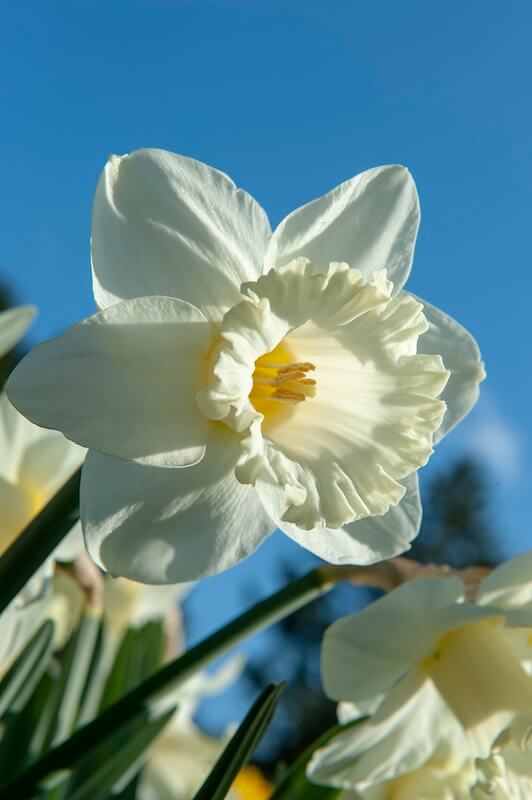
Narcissus Mount Hood stands among the best-known trumpet daffodil varieties grown today. This heirloom narcissus has remained popular for decades thanks to its reliable growth and clear flower form. Each flower features a broad trumpet surrounded by wide white petals, creating a balanced shape that feels both strong and graceful.
The Royal Horticultural Society recognises this plant with the respected Award of Garden Merit. This recognition highlights its performance in typical UK gardens. As a result, many gardeners choose it for dependable spring colour.
The plant also belongs to the trumpet daffodil group, known for a trumpet that is equal to or longer than the perianth. This structure creates a striking flower silhouette. Once established, the bulb returns each season and gradually increases in size.
How Does the Trumpet Flower of Mount Hood Change Colour?
Narcissus Mount Hood flower evolves beautifully as it matures. When the bloom first opens, the trumpet often shows a pale yellow shade. Over several days, the colour softens and gradually shifts.
As the flower ages, the trumpet fades to creamy white. Eventually, the entire bloom appears almost pure white. The transformation creates subtle variation across a planting.
This colour change enhances the display when several bulbs grow together. Early flowers may appear pale, while later blooms turn bright white. The effect adds depth and interest to the spring planting.
Where Should You Plant Narcissus Mount Hood Bulbs?
Successful planting begins with choosing the right location. Mount Hood bulbs perform best in full sun or light shade. A position that receives several hours of light helps encourage strong stems and clear flower colour.
Well-drained soil remains essential for any flower bulb. If your garden contains heavy clay, add compost or grit to improve structure. Good drainage protects the bulb from winter rot.
These daffodil bulbs also suit mixed borders and informal planting areas. Many gardeners scatter them through the grass or beneath shrubs. Over time, the bulbs settle in and produce larger clumps.
When Is the Best Time for Planting Daffodil Bulbs?
Autumn is the ideal time to plant spring bulbs. The soil still retains warmth, allowing roots to form before winter. Planting bulbs in autumn also ensures strong growth once spring arrives.
Choose firm bulbs that feel heavy and healthy. High-quality stock establishes faster and produces stronger stems. Many garden centres sell ready-to-plant bulbs in early autumn.
If you plan, you can also buy daffodil bulbs online from trusted suppliers. Ordering early often gives access to the best bulb size and selection.
How Deep Should You Plant This Flower Bulb?
Planting depth is key to healthy growth. Most gardeners plant bulbs at a depth roughly two to three times their height. For Mount Hood, this usually means placing the bulb at a depth of 10–15cm.
The spacing between bulbs also matters. Allow enough room so roots can expand freely. This approach helps each plant develop strong stems and flowers.
Good planting technique improves long-term performance. Once settled, the bulb grows into a reliable perennial that blooms each spring.
Can You Grow Mount Hood in a Pot?
This white trumpet daffodil adapts well to container planting. Choose a pot with drainage holes and fill it with well-drained soil-based compost. The container should hold several bulbs so the planting appears full.
Plant the bulbs close together but not touching. Position the pot in a bright spot that receives sunlight. Water lightly after planting to settle the compost.
Containers display well on patios or near entrances. The large flowers create a fresh spring look. Many gardeners also cut a few stems for indoor arrangements.
How Tall Does This Trumpet Daffodil Grow?
Mount Hood usually reaches a height of around 40–50cm. The strong stem holds each flower upright even during breezy spring weather. This balanced height works well in borders and natural planting areas.
Each stem produces a single trumpet flower. The bloom often measures several centimetres across and carries a clear structure. The width of the petals neatly frames the trumpet.
The plant also develops healthy foliage that supports the bulb after flowering. Over time, the clump becomes stronger and more productive.
Can Narcissus Mount Hood Naturalise in the Garden?
Many gardeners choose Mount Hood because it naturalises easily. Once established, the bulbs multiply gradually, forming larger drifts. This ability makes it ideal for lawns and woodland planting.
To support naturalising, allow the foliage to die back naturally after flowering. The leaves gather energy and feed the bulb for the next season. Cutting the foliage too early weakens the plant.
Given time, the planting becomes more impressive each year. The repeated bloom helps create a reliable spring display.
What Plants Pair Well with Mount Hood Daffodils?
White daffodil varieties combine well with other spring bulbs. Hyacinth offers a colourful partner, especially blue or purple selections. The contrast between shapes creates a lively planting.
You can also mix these bulbs with other daffodils and narcissi. Combining yellow trumpet types with Mount Hood produces strong colour variation. Early tulips or muscari also complement the display.
Mixed planting spreads flowering across the season. This approach ensures the garden continues to look lively through spring.
How Should You Care for the Foliage After Bloom?
After flowering, leave the leaves in place. The foliage collects sunlight and stores it in the bulb. This energy supports next year’s bloom.
Avoid tying or cutting leaves until they begin to yellow. Once the foliage starts to die back naturally, you can remove it. This process usually takes several weeks.
During the growing season, keep the soil slightly moist. This simple care routine helps maintain healthy bulbs year after year.
From Darren’s Patch
Narcissus Mount Hood is one of those daffodils that quietly proves its value year after year. What I particularly enjoy is the way the flowers change as they open. The trumpet often starts with a soft pale yellow tone, then slowly fades to a calm creamy white before becoming almost pure white. When several bulbs bloom together, that gentle colour shift gives the planting real depth. In my own garden, I like using it in relaxed drifts through borders and under deciduous shrubs, where the bright white flowers really stand out in early spring light. It’s also a dependable performer, coping well with typical UK conditions and returning each year faithfully. If you want a classic trumpet daffodil that looks elegant without demanding much attention, Mount Hood is a variety I’m always happy to recommend.

Key Points to Remember
- Narcissus Mount Hood produces large white trumpet flowers
- Plant bulbs in autumn while the soil remains workable
- Choose full sun or light shade and well-drained soil
- Plant bulbs at a depth of 10–15cm for best results
- The flower opens pale yellow, then turns creamy white
- Height usually reaches around 40–50cm
- Allow foliage to die back naturally after bloom
- Bulbs naturalise well and return each spring
- Containers, borders, and lawns all suit this variety
- High-quality bulbs provide stronger growth and better flowers
Narcissus Mount Hood remains one of the most reliable white trumpet daffodils you can grow. Its large flowers, strong stems, and steady return each spring make it a valuable addition to many gardens. Plant the bulbs in autumn, give them well-drained soil and good light, and they will reward you with elegant white blooms year after year. If you want a classic daffodil that offers dependable performance and graceful colour, Mount Hood deserves a place in your spring planting plans.
Would you like to learn about other bulb varieties? Read about Narcissus Ice King here.
For more information on Spring Flowering Bulbs for your garden, please click here.
Frequently Asked Questions
Q: What makes Narcissus Mount Hood such a popular trumpet daffodil?
A: Narcissus Mount Hood stands out as a classic trumpet daffodil with large, elegant flowers and reliable growth. This heirloom narcissus first opens with a pale yellow trumpet before gradually changing to creamy white and finally pure white. The broad perianth and neat white petals create a balanced flower shape that looks fresh in any spring display. Each stem produces a strong bloom, often reaching around 40–50cm in height. Because this perennial bulb returns each year and naturalises well, many gardeners choose it for borders, lawns, and containers. Its strong reputation also comes from recognition by the Royal Horticultural Society with the respected Award of Garden Merit.
Q: When is the best time for planting Narcissus Mount Hood bulbs?
A: The ideal time for planting Narcissus Mount Hood bulbs is during autumn, while the soil remains workable. Planting bulbs in autumn allows roots to establish before winter temperatures arrive. Choose firm, high-quality bulbs that feel heavy and healthy. Set each bulb about 10–15cm deep (roughly 4–6 inches) and space them well so the plant can develop strong roots. Select a location with full sun or light shade and well-drained soil. These conditions encourage healthy growth and a reliable spring bloom. With proper planting, this trumpet daffodil produces impressive flowers in mid-spring and returns year after year.
Q: How tall does the daffodil Mount Hood grow, and what does the flower look like?
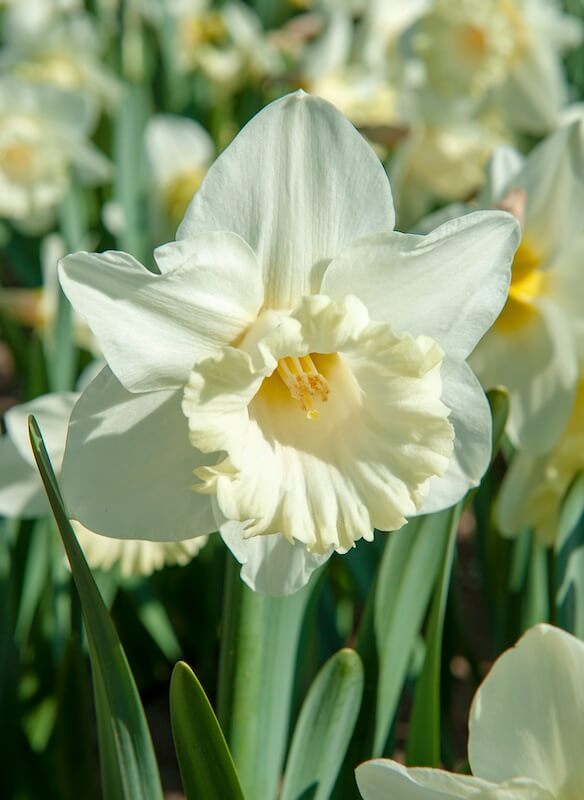
A: Daffodil Mount Hood typically grows to a height of around 40–50cm, producing strong stems that hold each bloom upright. The flower measures up to about 10cm across and features a wide trumpet surrounded by elegant white petals. When the bloom first opens, the trumpet may appear pale yellow, but it gradually fades to creamy white. As the flower matures, the colour becomes almost pure white, creating a calm and balanced display. The structure includes a prominent trumpet and a well-defined perianth segment that frames the centre. This graceful form gives the plant a bright presence in the spring garden.
Q: Can Narcissus Mount Hood grow well in pots or containers?
A: Yes, Narcissus Mount Hood grows very well in a pot or container. Many gardeners enjoy planting several bulbs together to create a compact display of white blooms. Choose a container with drainage holes and fill it with well-drained soil-based compost. Plant the bulbs close together but not touching, placing them around 10–15cm deep. Position the pot in full sun or light shade and water lightly after planting. Containers display well near entrances or patios, where the flowers can be appreciated up close. The sturdy stems also make excellent cut flowers for indoor arrangements during the growing season.
Q: Will Narcissus Mount Hood naturalise in the garden?
A: Narcissus Mount Hood naturalises very successfully when planted in suitable conditions. Over time, the bulbs multiply, forming larger clumps of flowers. This habit makes the plant perfect for lawns, woodland edges, and informal planting areas. To encourage naturalising, allow the foliage to remain after flowering so it can feed the bulb. The leaves absorb sunlight and store it for the following season. Once the foliage begins to yellow, allow it to die back naturally before removing it. With patience, the planting becomes more impressive each spring as the bulbs settle and increase.
Q: What growing conditions help this white trumpet daffodil thrive?
A: This white trumpet daffodil thrives in a position that receives full sun or light shade and well-drained soil. These conditions allow the bulb to develop strong roots and healthy stems. The plant prefers soil that holds some moisture during the growing season but never becomes waterlogged. In colder weather, the bulb tolerates temperatures well below freezing, often surviving conditions as low as −15°C (5°F). Once spring arrives, the plant grows quickly and produces large flowers. With simple care and good drainage, this perennial bulb offers reliable performance in gardens across the UK.
Q: How should you care for Narcissus Mount Hood after it flowers?
A: After the flower fades, remove the spent bloom but keep the foliage intact. The leaves gather energy and feed the bulb for next year’s growth. Apply a balanced fertiliser during the growing season if the soil is nutrient-deficient. Keep the area slightly moist, but avoid overwatering. Over several weeks, the leaves will yellow and begin to die back naturally. Remove them only after this process finishes. This routine strengthens the bulb and encourages a healthy bloom the following spring. With proper care, the plant returns each year reliably and may even produce additional flowers.
Q: Where can you buy Narcissus Mount Hood daffodil bulbs?
A: You can buy Narcissus Mount Hood daffodil bulbs from reputable garden centres throughout the UK during the autumn planting season. Many trusted suppliers also sell daffodil bulbs online, making it easy to choose high-quality stock. When purchasing, select firm bulbs with good bulb size and no signs of softness. Quality bulbs establish more quickly and produce stronger flowers. Ordering early in the season often gives access to the best selection of spring bulbs. Whether purchased locally or online, healthy bulbs provide the strongest start and the most impressive display once planted in the garden.