

Position
Thrives in full sun but is equally successful in dappled or partial shade, making it highly versatile for various garden aspects
Excellent for naturalising in lawns, under deciduous trees, or as a bold statement in the middle of a herbaceous border
Hardiness
Extremely resilient to British winters, this variety can withstand temperatures dropping as low as −
15°C to −20°C (5°F to -4°F).
Soil
Prefers moderately fertile, moist but well-drained soil; it performs best in loam or sandy soils but is famously tolerant of heavier clay if drainage is adequate
Highly adaptable to most garden conditions, performing reliably in acid, alkaline, and neutral soils
- Grab a soil test kit and ensure the perfect conditions for growth
Height
- Typical flowering height: 45 cm (18 in) including flowers
- Clumps will broaden over time, forming larger drifts rather than gaining extra height
Seasons of Interest
Additional Notes
Known as one of the best “King Alfred” style daffodils for long-term naturalisation due to its vigorous growth and ability to multiply quickly
In areas with poor drainage, the addition of organic matter or grit significantly improves soil and helps protect the bulbs from rotting during wet winters
Avoid cutting or tying the leaves after flowering; they must be left to die back naturally for at least six weeks to ensure a strong floral display the following year
Planting should occur in autumn at a depth of approximately 10cm to 15 cm (4 in to 6 in) for optimum stability and protection
The bulbs contain crystals that make them unpalatable to squirrels, deer, and rabbits, offering a natural level of pest resistance
Grow a Stunning Spring Garden with Dutch Master Daffodils
Few plants lift the mood like a bold daffodil pushing through cool soil as the days lengthen. Narcissus Dutch Master stands tall with golden-yellow flowers and that unmistakable trumpet-shaped daffodil. This heirloom bulb has brightened UK gardens since 1938, and it still earns its place today. If you want reliable colour, strong stems, and a display that returns year after year, this classic daffodil deserves your attention.
What Makes Narcissus Dutch Master a Classic Daffodil?
Narcissus Dutch Master ranks among the most recognised daffodil varieties in the UK. Breeders introduced it in 1938, and it quickly became a staple. Gardeners still choose it for its strength, colour, and reliability. It offers that classic daffodil look that many people picture in early spring.
This heirloom selection carries a rich history. The Royal Horticultural Society has recognised its value with the prestigious Award of Garden Merit. You may also see it listed alongside the RHS Award of Garden Merit Badge in catalogues. That mark tells you the plant performs well in British conditions.
As a perennial bulb, it returns each year with little fuss. Once you plant it well, it will naturalise and increase over time. Many gardeners treasure it as a dependable feature in a border or lawn.
How Does This Trumpet Daffodil Stand Out?
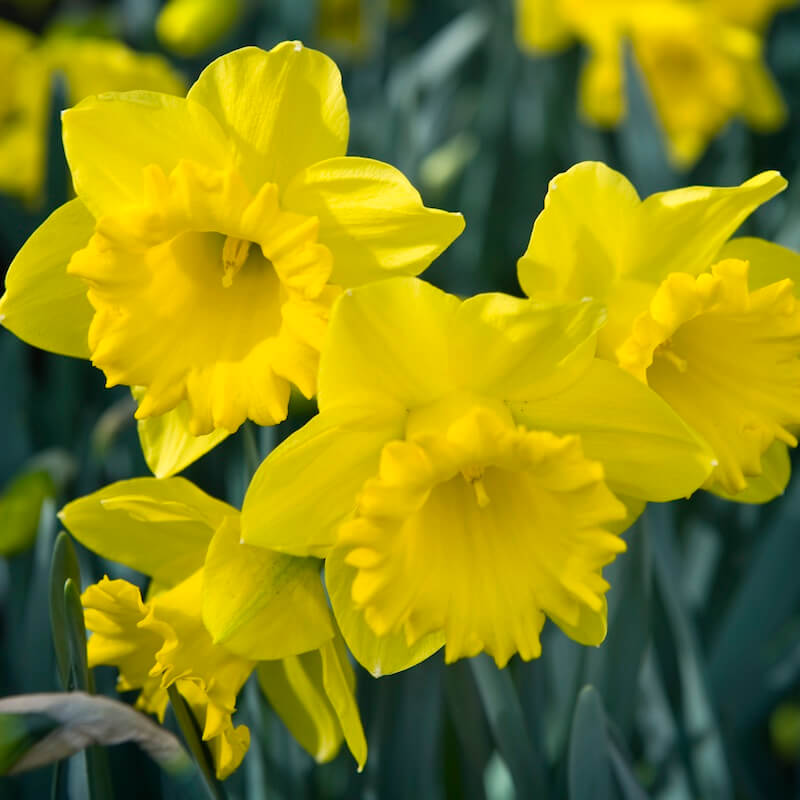
The description of the Narcissus Dutch Master starts with its size and presence. Each stem carries solitary flowers that face proudly upward. The bloom can reach 11cm across, so it never goes unnoticed. This yellow trumpet daffodil creates impact without any effort.
Look closely at the daffodil shape, and you will see wide perianth segments surrounding a long corona. The petal segments frame the trumpet perfectly. Together, they form that classic golden yellow trumpet daffodil silhouette.
The golden-yellow flowers glow in sunlight. Their rich colour holds well, even in changeable weather. When several stems open together, the effect feels bright and confident rather than subtle.
Why Choose This Bulb for Your Garden or Border?
A good bulb should offer more than colour. Narcissus Dutch Master delivers strength, reliability, and a generous bloom. It stands tall and resists flopping, even in exposed spots. That makes it ideal for open beds.
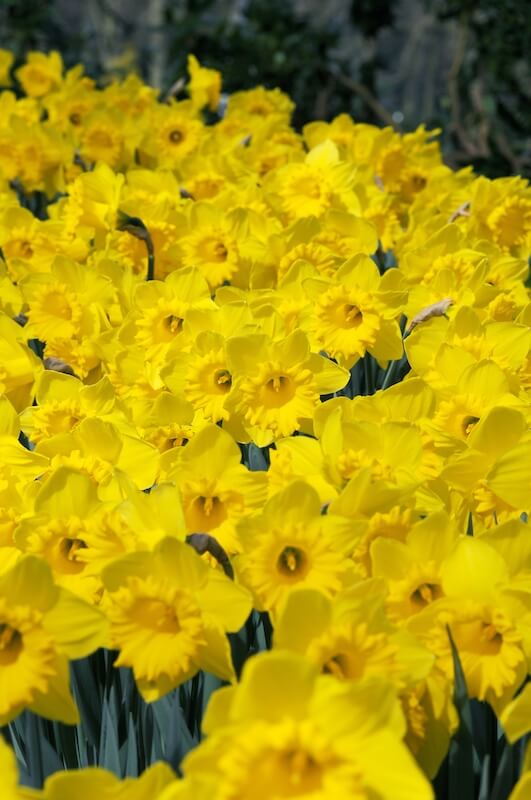
Plant it in a mixed border where its golden tones contrast with blues and purples. You can also group yellow daffodils in a drift for a softer look. For a bold statement, plant them en masse and let the colour dominate.
Daffodil Dutch Master suits lawns, too. It will naturalise if you allow the leaves to die back fully. Over time, you will see more flowers appear each year, which feels wonderfully rewarding.
When and How Should You Plant Daffodil Bulbs?
Good planting information makes all the difference. Set daffodil bulbs into the ground in autumn, ideally by the end of November. This timing allows the bulb to settle before winter.
Choose firm, high-quality bulbs with no soft spots. Plant 10-15cm deep, or about 4-6in, depending on bulb size. As a guide, place each bulb at a depth around three times its own height.
Space them twice their width apart to give roots room. If you want a full look, place several in one planting hole. Cover with soil and water lightly if conditions feel very dry.
What Soil and Position Help Narcissus Thrive?
This plant prefers well-drained soil and a sunny position. It tolerates light shade, especially beneath deciduous trees. Avoid waterlogged ground, as the bulb may rot.
Improve heavy soil with grit or compost before planting. Well-drained soil supports strong root growth and healthy stems. Keep the area moist during the growing season but never saturated.
In very dry springs, water lightly to help the bloom develop. Once flowering finishes, reduce watering and allow the foliage to mature naturally. Strong roots form while the leaves remain green.
How Tall Does Daffodil Dutch Master Grow and How Does It Perform?
Daffodil Dutch Master reaches a height of around 40–45cm, which makes it a tall presence in the spring garden. The sturdy stems hold each flower upright. Wind rarely causes problems.
This trumpet daffodil produces free-flowering stems year after year. Each bulb often sends up a single, strong stem with a bold bloom. In established clumps, the display grows more impressive over time.
Because it performs so consistently, the rhs continues to recommend it. Many gardeners rely on it for dependable colour. It remains one of the most planted narcissus bulbs across the UK.
Can You Grow This Perennial Bulb in Containers?
Yes, you can grow this perennial bulb in a container with great success. Choose a pot with drainage holes and fill it with good compost. Add grit to improve drainage if needed.
Plant the bulb at the correct depth and keep the container in a cool spot through winter. In early spring, move it into a brighter area. You can even force bulbs indoors for earlier blooms.
Container-grown daffodil displays suit patios and doorsteps. They also let you enjoy the flowers up close. Just remember to feed lightly after flowering to support next year’s growth.
How Do You Care for the Foliage After Flowering?
Once the flower fades, resist the urge to tidy too quickly. The leaves feed the bulb for next year’s show. Let them remain until they turn yellow and die back naturally.
You may cut the spent flower stem to keep the bed neat. Avoid cutting green foliage. This simple step strengthens the perennial bulb for future seasons.
If you plant in grass, wait before mowing. Allow at least six weeks after flowering. This patience rewards you with stronger clumps and more blooms next year.
Is Narcissus Dutch Master Good for Naturalising and Cut Flowers?
This variety excels when allowed to naturalise. Plant it in informal drifts and leave it undisturbed. Over time, it spreads gently and fills gaps with golden colour.
It also works beautifully as one of your cut flowers. Harvest stems when the bud shows colour but has not fully opened. Place them in water separately at first, as the sap can affect other flower stems.
A bunch of these lovely trumpet daffodils brightens any room. Its scent stays light and fresh. The strong stems hold up well in arrangements.
Where to Buy High-Quality Daffodil Bulbs in the UK?
When you buy trumpet daffodil bulbs (narcissus), choose reputable UK suppliers. Look for firm bulbs labelled clearly as Narcissus Dutch Master. Good stock feels heavy for its size.
Order early in the season to secure the best selection. Many online shops and garden centres stock this classic variety. Check that bulbs arrive in time for autumn planting.
Investing in high-quality flower bulbs makes a real difference. Healthy bulbs establish faster and produce stronger stems. That small extra cost pays back in years of reliable colour.
Final Thoughts on Narcissus Dutch Master
Narcissus Dutch Master remains a gold standard among daffodil choices. Its classic golden yellow trumpet daffodil form feels timeless. The strong stems and generous bloom ensure impact every year.
This easy-to-grow bulb suits borders, lawns, and containers alike. It thrives in well-prepared soil and rewards simple care. Allow the foliage to mature, and it will return with even more flowers.
If you want a dependable, free-flowering display that signals the arrival of spring, this variety stands ready. Plant it once and enjoy its golden presence for many seasons.
From Darren’s Patch
Narcissus Dutch Master earns its place in my garden year after year, and that says a lot. I rely on it for that first real splash of confident colour when winter finally loosens its grip. The stems stand firm, the blooms shine even on dull days, and I never worry about them letting me down. I like planting them in generous drifts through the lawn, where they return stronger each season and quietly multiply. There’s something reassuring about a bulb that performs so consistently without fuss. If you want a daffodil that combines history, strength and sheer presence, this is one I genuinely recommend.

Key Points to Remember
- Plant daffodil bulbs in autumn, before the end of November
- Set each bulb at the correct depth, around three times its height
- Choose well-drained soil and a sunny or lightly shaded spot
- Allow leaves to die back fully to feed the bulb
- Use en masse planting or a drift for the strongest display
- This heirloom from 1938 still carries the prestigious Award of Garden Merit
- Suitable for borders, lawns, containers, and cut flowers
- A reliable perennial that will naturalise over time
Narcissus Dutch Master remains one of the most dependable and striking daffodils you can plant. Its bold colour, proven performance, and long history make it a confident choice for borders, lawns, and containers. Add these bulbs to your planting list this autumn and enjoy a brilliant golden display each spring.
Would you like to learn about other bulb varieties? Read about Narcissus Bridal Crown here.
For more information on Spring Flowering Bulbs for your garden, please click here.
Frequently Asked Questions
Q: What makes Narcissus Dutch Master such a popular daffodil?
A: Narcissus Dutch Master stands out for its bold, golden-yellow flowers and strong, upright stems. This classic trumpet daffodil dates back to 1938 and continues to perform beautifully in UK gardens. Each bulb produces a large bloom with wide perianth segments and a long corona, creating that instantly recognisable daffodil shape. It holds its colour well and copes with changeable weather. The Royal Horticultural Society has granted it the prestigious Award of Garden Merit, which confirms its reliability, vigour, and consistent performance in British conditions.
Q: When is the best time to plant daffodil bulbs?
A: Plant daffodil bulbs in autumn, ideally from September through to the end of November. This timing allows the bulb to establish roots before winter sets in. Choose a sunny or lightly shaded spot with well-drained soil. Plant each bulb at a depth around three times its height and space them twice their width apart. Water lightly after planting if the soil feels dry. By planting at the right time and depth, you set the stage for a strong spring display with healthy foliage and vibrant flowers.
Q: How do I care for Narcissus after flowering?
A: Once the flower fades, remove the spent bloom but leave the leaves intact. The foliage feeds the bulb and helps build energy for next year’s display. Allow the leaves to die back naturally, which usually takes around six weeks. Avoid tying or cutting green foliage too early. If planted in grass, delay mowing until the leaves have yellowed. You can apply a balanced feed after flowering to support root growth. This simple routine encourages a stronger perennial bulb and more blooms the following season.
Q: Can Narcissus Dutch Master grow in containers?
A: Yes, this daffodil grows very well in containers. Use a pot with good drainage holes and fill it with quality compost mixed with grit for improved drainage. Plant the bulb at the correct depth and keep the container in a cool, sheltered position during winter—water sparingly until growth appears. In early spring, move the pot into a brighter spot for maximum impact. After flowering, continue to water and feed lightly until the foliage dies back. Container planting works perfectly for patios, balconies, and doorsteps.
Q: Will this daffodil naturalise in lawns and borders?
A: Narcissus Dutch Master, naturalises very successfully when planted in suitable conditions. Choose a sunny area of lawn or a well-drained border. Plant bulbs in informal drifts rather than straight lines for a natural look. Once established, the clumps will gently increase year after year. Allow the foliage to die back fully before cutting the grass. With minimal care, you will enjoy an expanding display of golden blooms each spring. This ability to return reliably makes it a valuable long-term addition to any garden scheme.
Q: How tall does Narcissus Dutch Master grow?
A: This trumpet daffodil typically reaches a height of around 40–45cm. Its tall, sturdy stems hold each flower upright, even in exposed areas. The blooms can measure up to 11cm across, giving a strong visual impact in beds and borders. Because of its reliable height and structure, it works well towards the middle of a planting scheme. Pair it with lower-growing spring plants to create layers of colour. Its balanced proportions and bold presence help anchor seasonal displays with confidence.
Q: How should I feed daffodils for the best results?
A: Apply a balanced feed in early spring as shoots emerge, especially if your soil lacks nutrients. Feeding supports strong stem growth and improves the quality of the bloom. After flowering, feed again to help the bulb store energy for the following year. Avoid high-nitrogen products, as these can encourage excessive foliage at the expense of flowers. Water in the feed if conditions are dry. Consistent but moderate feeding keeps the bulbs healthy and ensures a reliable display year after year.
Q: Where can Narcissus Dutch Master be purchased?
A: You can buy Narcissus Dutch Master bulbs at most garden centres across the UK during autumn. Many reputable online retailers also stock high-quality bulbs and deliver directly to your door. When purchasing, choose firm bulbs that feel heavy for their size and show no signs of damage or mould. Ordering early in the season often gives you the best choice. Both local centres and specialist online suppliers provide reliable options for securing this classic trumpet daffodil.