
Position
- To achieve the strongest stems and the most vibrant flower colours, plant in full sun
- While it can tolerate very light dappled shade for part of the day, a south- or west-facing aspect is ideal. This position also ensures the foliage dries quickly after rain, reducing the risk of fungal issues
Hardiness
- This cultivar is exceptionally robust and well-suited to the UK’s damp, cold winters
- It is hardy down to approximately -20°C (-4°F)
- It is important to note that while it handles deep frost well, it dislikes “wet feet” during the dormant winter months, so ensuring the crown does not sit in waterlogged ice is vital for survival
Soil
- Thrives in well-drained soil that is rich in organic matter
- While it can adapt to heavy clay or light sandy soils, an improvement to the soil structure using compost or grit is recommended to ensure the roots remain aerated and don’t rot during a typical British winter.
- This plant is highly versatile regarding acidity and alkalinity
- It will grow healthily in acid, alkaline, or neutral soils. It is not particularly fussy about the specific pH level, as long as the soil’s nutrient profile is maintained
- Grab a soil test kit and ensure the perfect conditions for growth
Height
- At maturity, Echinacea ‘Pretty Parasols’ typically reaches a height of 60cm to 90cm (24in to 35in)
- Because it is a clump-forming perennial, it maintains a tidy upright habit and usually does not require staking despite its height
Seasons of Interest
- Flowering Time: The primary blooming period is from July through to September, often extending into October if the autumn remains mild
- Foliage and Form: The foliage consists of deep green, lance-shaped leaves. While the leaves do not feature variegation or significant autumn colour, the seed heads provide excellent winter interest. If left uncut, the dark, conical centres remain attractive through November and December, often covered in frost
Additional Notes
- Wildlife Support: The nectar-rich blooms are highly attractive to bees and butterflies during the height of summer, while the dried seed heads provide a natural food source for goldfinches in the winter
- Deadheading: Regularly removing spent flowers will encourage a longer blooming season, though you should leave the final flush of the year if you wish to enjoy the architectural seed heads
- Establishment: During its first year, ensure it is watered regularly during dry spells. Once established, it is remarkably drought-tolerant due to its deep taproot
- Division: To maintain the vigour of the clump, consider lifting and dividing the plant every 3 to 4 years in early spring, just as new growth appears
- Pest Protection: Young growth in the spring can be vulnerable to slugs and snails; providing some organic protection during the first few weeks of the growing season is beneficial
Echinacea Pretty Parasols - A Colourful Coneflower for Long-Lasting Summer Impact
Echinacea brings warmth and structure to any garden, and few varieties match the charm of Pretty Parasols. This striking coneflower offers a mix of soft tones and upright form, making it a natural choice for borders, containers, and relaxed planting styles. With its long flowering season and reliable nature, it adds both beauty and resilience to outdoor spaces.
What makes Echinacea Pretty Parasols so special?
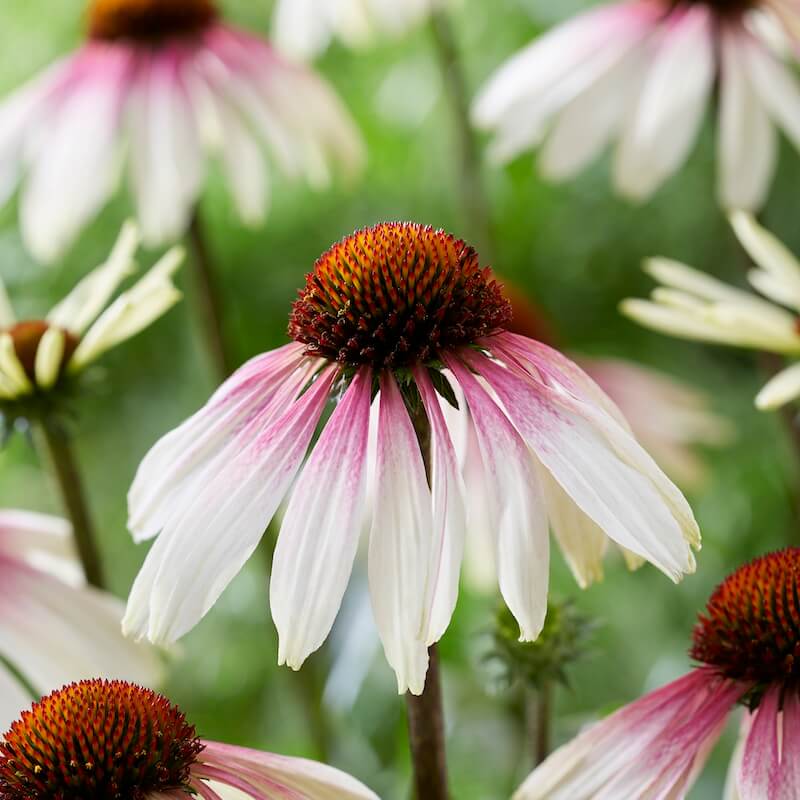
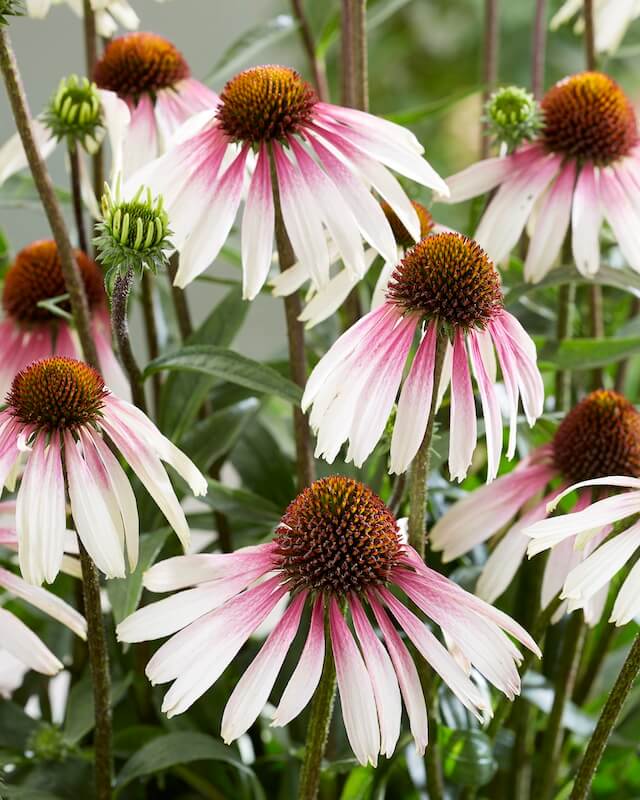
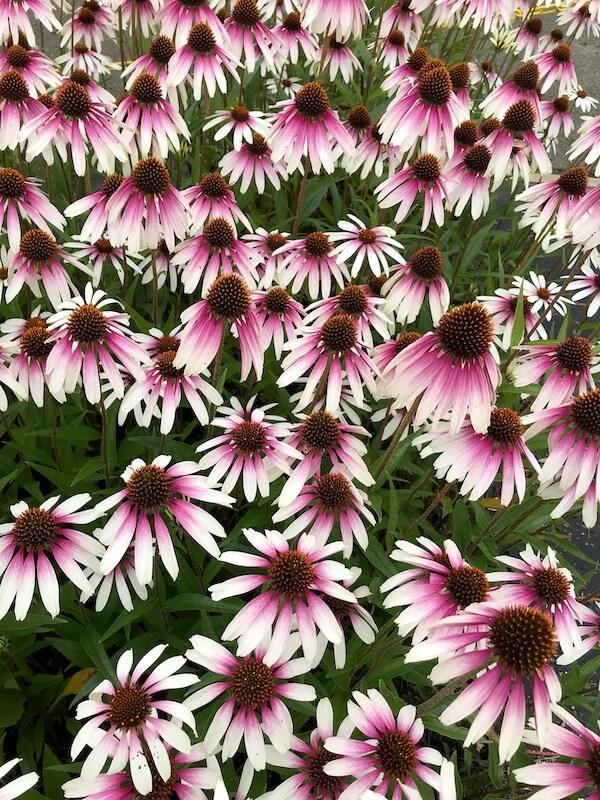
Echinacea Pretty Parasols stands out as a distinctive new coneflower with soft tones and elegant form. Its pink and white petals surround a bold cone, creating a lovely contrast that catches the eye. Each flower sits proudly on strong stems, which hold their shape well in changing weather.
This variety, known as Echinacea Pretty Parasols, has been bred for strength and beauty. It is often multi-headed, so you get more blooms per plant. The flowers appear in succession, which keeps the display fresh for weeks. That steady performance makes it a favourite in many planting schemes.
The plant also brings structure to borders. Its upright habit and varying heights add interest without overpowering nearby plants. As a tough and resilient new coneflower, it suits both modern and traditional garden styles with ease.
How does this coneflower Echinacea perform in UK gardens?
Coneflower Echinacea thrives in UK conditions, especially in warm summers with plenty of light. Echinacea purpurea forms the base of wide modern varieties, including this one, and it adapts well to our climate. It copes with temperature ranges from around -15°C to 30°C (5°F to 86°F).
Gardeners value this reliable, hardy perennial for its ability to bounce back each year. The perennial dies back in late winter, then sends up fresh shoots in spring. That cycle helps it stay strong and healthy over time.
Echinacea Pretty Parasols is noted for its strong stems and ability to withstand wet, windy weather. That feature makes it especially useful in exposed gardens. Even in wet, windy weather, the blooms remain upright and presentable.
Where should you plant echinacea for the best results?
To get the best from Echinacea, choose a spot with full sun. This plant loves heat and sun, which helps it produce masses of flowers. A bright border or an open bed works well, especially where the plant receives light for most of the day.
Position the plant so it blends with other herbaceous favourites. Its dark green foliage sets off lighter flowers beautifully. It also pairs well with grasses, adding movement and contrast.
When planning your layout, think about spacing. Echinacea plants form larger clumps over time, so give them room to grow. That space allows air to circulate and keeps the plant healthy throughout the growing season.
What soil and light conditions does echinacea prefer?
Echinacea grows best in well-drained soil. Heavy, soggy ground can weaken roots, so improve drainage if needed. Adding compost helps create the right balance of moisture and structure.
Light plays a key role in flowering. Full sun encourages strong stems and a long flowering season. In shadier spots, plants may stretch and produce fewer blooms.
Keep the soil level consistent when planting. Set the crown at soil level to avoid rot. Once established, echinacea proves resilient and adapts to a range of conditions, as long as drainage remains good.
When is the best time to plant echinacea pretty parasols?
The ideal time to plant Echinacea is autumn or spring. These seasons offer mild temperatures and steady moisture, which help roots settle in. Planting in autumn gives the plant time to establish before winter.
Spring planting also works well, especially once the risk of frost has passed. At this stage, the plant enters active growth and quickly develops strong roots. That early start supports a better flowering display later in the year.
When planting, dig a hole slightly wider than the root ball. Place the plant carefully, then backfill with soil and compost. Water well to help it settle and give it time to settle before the warmer months arrive.
How do you care for this hardy perennial throughout the year?
This hardy perennial needs only simple care to stay healthy. Water during dry spells, especially in the first year. Once established, it becomes quite drought-tolerant.
Apply a light mulch in spring to retain moisture and improve soil quality. Avoid heavy feeding, as too much fertiliser can lead to weak growth. A balanced approach keeps the plant strong and compact.
Cut back dead flower stems after the main flowering period. In late winter, trim the plant down to ground level. This tidy approach encourages fresh new growth and keeps the plant looking neat.
Does Echinacea Pretty Parasols grow well in pots?
Echinacea Pretty Parasols grows well in a pot, making it a flexible choice for patios and small spaces. Choose a container with good drainage and fill it with quality compost. This setup supports healthy root development.
Place the pot in a sunny spot, as light remains essential for flowering. Water regularly, as containers dry out faster than garden beds. A steady routine helps maintain strong growth.
This coneflower, Echinacea, adds height and colour to container displays. Its long-lasting blooms and upright habit make it well-suited to mixed arrangements. With the right care, it performs just as well in pots as it does in borders.
How can you encourage a longer flowering period?
To extend the flowering period, remove spent blooms regularly. This simple step encourages the plant to produce more flowers. Deadheading also keeps the plant looking tidy.
Echinacea Pretty Parasols already offers a prolonged flowering period, often lasting throughout the summer. With proper care, you can enjoy colour well into early autumn.
Avoid cutting all seed heads at once. Leaving some in place adds interest and supports wildlife. This balance allows you to enjoy both fresh blooms and natural structure.
What wildlife benefits does Echinacea offer?
Echinacea provides a valuable food source for pollinators. Bees and butterflies visit the flowers for nectar, especially during the peak growing season. The open flower shape makes access easy for insects.
As the season moves into autumn, seed heads become important for birds. These natural features add texture while supporting local wildlife. The cone structure holds seeds that birds can feed on.
By including echinacea in your garden, you create a lively and balanced space. It supports biodiversity while adding colour and interest to your planting schemes.
How do you divide and maintain healthy plants?
Over time, Echinacea plants can become crowded. To keep them healthy, lift and divide congested clumps every few years. This process helps maintain strong growth and encourages more flowers.
The best time to divide is in early spring or autumn. Carefully lift the plant, then separate the roots into smaller sections. Replant each section at the correct soil level.
Regular maintenance keeps the plant vigorous. Remove dead flower stems to the ground and tidy the area around the base. These simple steps support a long-lasting and healthy display.
From Darren’s Patch
Echinacea Pretty Parasols has earned its place in my garden for one simple reason—it performs without fuss while still looking fantastic. I’ve used it in both open borders and large pots, and it never disappoints. The strong stems really make a difference, especially in exposed spots where other plants can flop after a spell of wet and windy weather. I also like how the flowers keep coming in succession, so the display never feels tired. The mix of pink and white tones blends beautifully with grasses and other herbaceous plants. If you want something reliable that still feels a bit special, this is one I’d happily recommend time and time again.

Key Points to Remember
- Echinacea Pretty Parasols offers pink and white flowers with strong stems and lasting impact
- Plant in full sun with well-drained soil for best results
- Choose autumn or spring as the ideal time to plant
- Water well during the first growing season to help roots establish
- Deadhead to extend the flowering period and encourage more blooms
- Leave some seed heads for wildlife and winter interest
- Divide plants every few years to maintain health and vigour
- Grow in borders or pots for flexible planting options
- This reliable hardy perennial thrives in UK conditions
- Enjoy a long flowering season with minimal maintenance
Echinacea Pretty Parasols offers colour, structure, and reliability in one elegant plant. Its long flowering season, strong stems, and easy nature make it a rewarding choice for any garden. Whether planted in borders or in a pot, it makes a lasting impact with very little effort. If you want a dependable and attractive addition to your planting schemes, this coneflower is well worth considering.
If you like this one, you’ll love Agapanthus Northern Star.
For more information on perennials for your garden, please click here.
Frequently Asked Questions
Q: What is Echinacea Pretty Parasols, and why is it so popular?
A: Echinacea Pretty Parasols is a distinctive new coneflower known for its soft pink and white petals and bold central cone. This hardy perennial offers a long flowering season, producing masses of flowers throughout the summer. Gardeners value it for its strong stems and reliable performance in mixed planting schemes. The blooms often appear in succession, which keeps the display fresh for weeks. As a tough and resilient new coneflower, it suits a wide range of gardens. Its ability to thrive in UK conditions and provide long-lasting colour makes it a firm favourite.
Q: How do I plant Echinacea pretty parasols successfully?
A: To plant Echinacea, choose a sunny position with well-drained soil. Begin by preparing the ground with compost to improve structure. Dig a hole wide enough for the roots, then place the plant so the crown sits at soil level. Backfill gently and water well to help it settle. The best time to plant is autumn or spring, when conditions support root growth. Bare roots also establish well if planted during cooler months. Giving plants time to settle ensures strong development and a better flowering display during the growing season.
Q: Can Echinacea Pretty Parasols grow in a pot?
A: Yes, Echinacea Pretty Parasols grows very well in a pot when given the right care. Choose a large container with good drainage and fill it with quality compost. Place the pot in full sun, as this plant thrives in heat and sun. Water regularly, especially during warm spells, as pots dry out faster than borders. A light feed during active growth supports healthy flowering. This coneflower, Echinacea, remains compact yet productive, making it well-suited to patios and smaller spaces while still delivering a long-lasting display.
Q: How do I care for Echinacea year-round?
A: Echinacea is easy to grow and requires simple care. Water during dry periods in its first year, then it reduces as it becomes more resilient. Apply mulch in spring to retain moisture and improve soil health. Feed lightly to support steady growth without weakening stems. Dead flower stems should be removed to encourage more blooms. In late winter, cut flower stems to the ground to make way for new growth. This reliable, hardy perennial will return each year with minimal effort and continue to form larger clumps over time.
Q: How long does the flowering period last?
A: Echinacea Pretty Parasols offers a prolonged flowering period that can last throughout the summer and into early autumn. The flowers appear in succession, extending the display and keeping the plant looking fresh. Regular deadheading can help encourage more blooms, although leaving some seed heads adds structure later in the season. Each flower remains long-lasting, holding its shape well even in wet and windy weather. With the right care and full sun, you can enjoy a long flowering season filled with colour and interest.
Q: Is Echinacea Pretty Parasols suitable for UK weather?
A: Yes, Echinacea performs well in UK gardens and adapts to a wide range of conditions. It is a hardy perennial that tolerates temperatures from around -15°C to 30°C (5°F to 86°F). This variety is noted for its strong stems, which withstand wet and windy weather well. Even during unsettled spells, the flowers remain upright and attractive. Its resilient nature makes it a reliable choice for borders and containers. With proper planting and care, it continues to thrive year after year.
Q: Does Echinacea benefit wildlife?
A: Echinacea provides an excellent food source for pollinators. Bees and butterflies visit the flowers regularly during the growing season. The open flower shape allows easy access to nectar, making it highly attractive. As the season moves into autumn, seed heads develop and provide food for birds. These seed heads also add texture and interest to the garden. Including echinacea in your planting schemes supports biodiversity while maintaining a beautiful and balanced outdoor space.
Q: When and how should I divide Echinacea plants?
A: Over time, Echinacea plants form larger clumps and may become crowded. To maintain vigour, lift and divide congested plants every few years. The best time to do this is in early spring or autumn. Carefully dig up the plant, then separate the roots into smaller sections. Replant each section at the correct soil level and water well. This process encourages fresh growth and helps maintain a healthy display. Regular division keeps your perennial strong and productive.
Q: Where can I buy coneflower Echinacea pretty parasols?
A: If you want to buy coneflower Echinacea Pretty Parasols, you will find them widely available. Most garden centres stock this popular variety during the growing season. You can also order plants online, where you may find a wider selection, including bare roots and established plants. Always choose healthy specimens with strong stems and dark green foliage. Buying from reputable suppliers ensures quality and good performance. This makes it easy to add this beautiful coneflower, Echinacea Pretty Parasols, to your garden.
All images © Plantipp BV®