

Agapanthus Northern Star - The Stunning African Lily for UK Gardens
African Lily Northern Star, Lily of the Nile Northern Star
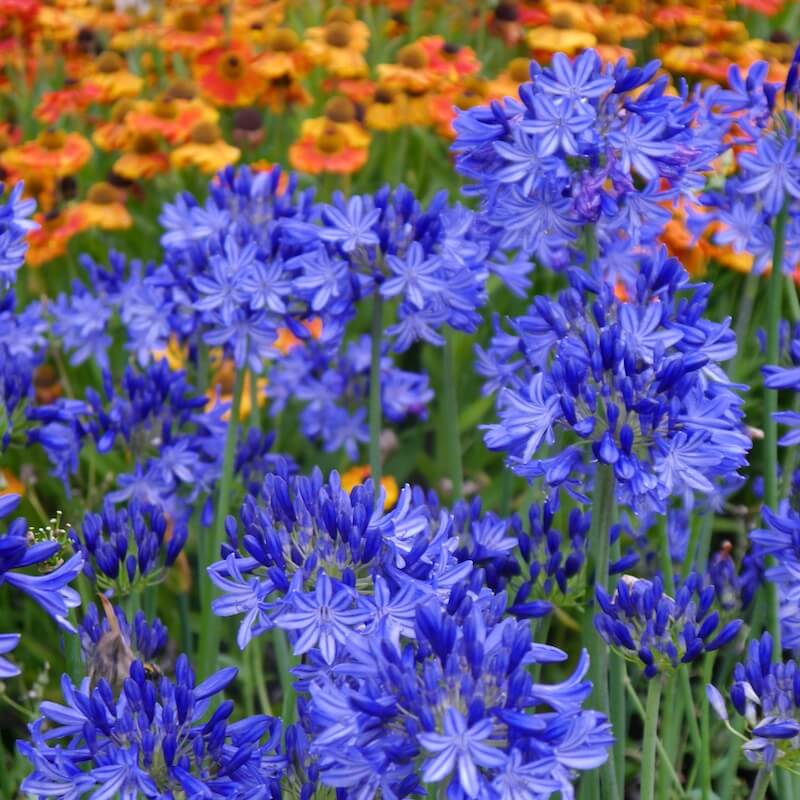
Position
- Requires a position in full sun; at least six hours of direct sunlight is necessary to encourage the development of its intense blue flower umbels
- Ideally placed in a sheltered spot, such as against a south-facing wall or in a dedicated herbaceous border, to protect the stems from strong winds
Hardiness
As a deciduous variety, it is notably resilient to the British climate, capable of withstanding winter temperatures as low as −10°C to -15°C (14°F to 5°F)
Soil
- Thrives in fertile, moist but well-drained soil; it is particularly successful in loam or sandy soils that do not hold excessive water during the winter months
- While it enjoys moisture during the growing season, excellent drainage is critical to prevent the fleshy roots from rotting
- Highly adaptable and unfussy, performing well in acid, alkaline, or neutral soil conditions
- Grab a soil test kit and ensure the perfect conditions for growth
Height
- Reaches about 45–60 cm (18–24 in) tall
- Spreads to form neat, airy clumps of foliage over time
Seasons of Interest
- Flowering: Produces striking, deep blue flowers with a darker violet central stripe from July through to September
- Foliage: Features strap-like, dark green leaves that emerge in spring and remain through the summer. Being deciduous, the foliage begins to yellow and die back in late autumn, providing no winter interest or significant autumn colour
Additional Notes
- ‘Northern Star’ is distinguished by its dark, almost black-purple stems, which provide a dramatic contrast against the vibrant blue flower heads
- In areas with heavy clay, incorporating grit or well-rotted organic matter acts as a necessary soil improvement to ensure the root system remains healthy and free-draining
- While these plants can be grown in the ground, they are famously successful in large pots; a slightly restricted root environment often encourages more prolific flowering
- Apply a thick mulch of bark or compost in late autumn after the foliage has died back to provide an extra layer of protection for the crown during particularly harsh winters
- Feed with a high-potash liquid fertiliser (such as tomato food) fortnightly from spring until the first flowers begin to open to boost the floral display
Agapanthus Northern Star - A Bold Perennial for Pots and Borders
Agapanthus Northern Star brings bold summer colour and structure to the garden. This striking African lily produces rich blue flower heads held above glossy green foliage. Gardeners value it for reliable performance and strong visual impact. The plant suits borders, patio containers, and sunny courtyard spaces.
The tall stems carry rounded umbels of trumpet-shaped blooms that stand proudly above the leaves. Each flower cluster adds a strong splash of blue-purple colour during the warm months. With good soil and a bright position, this perennial thrives across much of the UK.
Many gardeners appreciate its ability to combine beauty with resilience. Northern Star offers strong stems, healthy foliage, and generous flowering each season. With the right care, this standout agapanthus becomes a focal point in any planting scheme.
What Makes Agapanthus Northern Star a Standout Garden Plant?
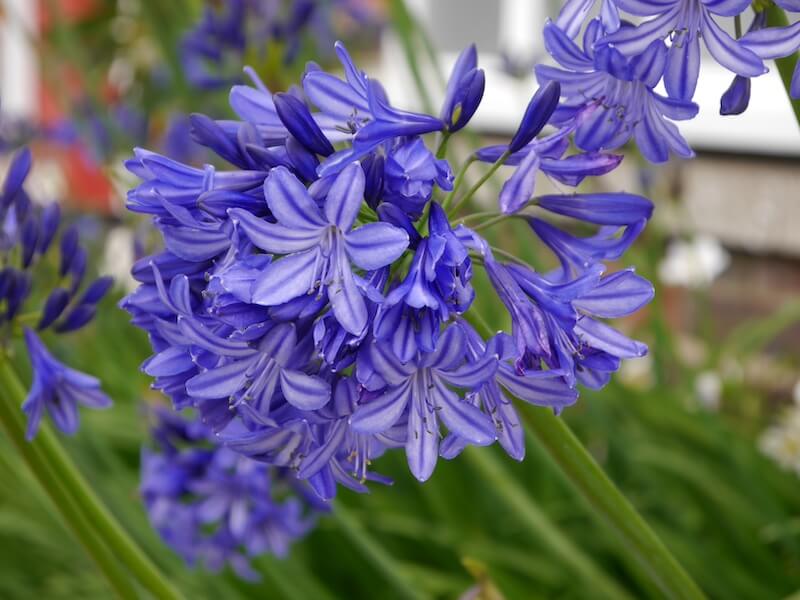
Agapanthus Northern Star offers a bold display that lifts any planting scheme. This herbaceous perennial forms a strong clump of glossy green foliage and upright stems. Each stem carries a large umbel filled with trumpet-shaped blooms. The flowers show a deep violet-blue shade with subtle purple stripe markings along each petal.
The striking tones create a rich colour contrast against the mid-green leaves. The cluster of bell-shaped flowers appears almost round when viewed from above. This feature gives the plant a strong visual presence within a border or container display.
Northern Star is also one of the hardier agapanthus plants available. Many gardeners choose this cultivar because it copes well with cooler climates. The strong stems hold each flower head high above the foliage. This upright habit creates a clean structure that works well in modern planting designs.
Where Should You Plant Agapanthus for the Best Results?
A sunny position helps agapanthus reach its full potential. This plant loves warmth and light during the growing season. Choose a sheltered place where strong winds cannot damage the stems. A warm wall or patio edge often provides ideal conditions.
Agapanthus performs well in borders with fertile soil. The roots prefer space to spread and develop into a healthy clump. Planting near other sun-loving perennials works well because the bold foliage contrasts nicely with softer textures.
Many gardeners also place agapanthus plants at the back of a mixed border. The tall stems add height while the flowers deliver dramatic colour. With enough warmth and shelter, the plant thrives and produces an abundance of blooms each summer.
Can You Grow Agapanthus Northern Star Successfully in a Pot?
Agapanthus Northern Star grows beautifully in a pot or container. Many gardeners choose this option because it gives more control over soil conditions. Patio containers also allow you to move the plant to warmer positions when needed.
Use a large container that holds at least ten litres of compost. A loam-based mix, such as John Innes No. 3, works very well. This type of compost stays fertile and provides a stable structure for the roots.
Container growing suits smaller spaces and courtyard gardens. The plant also looks superb on a sunny terrace or balcony. With the right care, agapanthus plants grown in a pot can produce just as many flowers as those planted in open soil.
What Soil Conditions Help Agapanthus Thrive?
Healthy agapanthus growth begins with good soil preparation. The roots prefer fertile ground that drains freely. Moist but well-drained soil helps prevent root rot during wet winter months.
When planting in the garden, mix compost into the soil before planting. This step improves structure and encourages strong root development. Well-drained soil allows oxygen to reach the roots easily.
Agapanthus responds well to slightly moist conditions during active growth. However, water should never sit around the crown. Good drainage helps the plant thrive and produce strong flower stems throughout the season.
How Much Sunlight Does an African Lily Need?
Agapanthus grows best in full sun, where the leaves receive plenty of light. Bright conditions help the plant build energy for flowering. Without enough sunlight, stems may stretch and produce fewer blooms.
A sunny position encourages stronger stems and deeper colour in the flowers. The foliage also stays compact and glossy when exposed to regular sunlight. This effect creates a tidy, attractive clump along the border.
Although the plant enjoys warmth, shelter remains important. A wall or fence often protects the stems from strong winds. Under these conditions, the African lily develops healthy growth and reliable flowering.
How and When Should You Water and Feed Agapanthus?
During the growing season, agapanthus appreciates consistent moisture. The soil should remain moist but never saturated. A moderate watering routine supports healthy foliage and strong flower development.
Feed the plant every few weeks with a balanced liquid fertiliser. This extra nutrition helps produce sturdy stems and abundant blooms. Container plants benefit most because nutrients wash from the compost faster.
Early spring feeding supports new growth and prepares the plant for flowering. Many gardeners also apply a light mulch around the base of the plant. This step helps retain moisture and improves soil health.
Is Agapanthus Northern Star Hardy in the UK Climate?
Agapanthus Northern Star ranks among the hardier varieties available. It tolerates cooler temperatures better than many traditional types. Most plants survive winter temperatures around -10°C (14°F) when they have good drainage.
In colder regions, winter protection helps protect the roots. A thick mulch around ground level provides insulation during severe frosts. Container plants can be moved to a sheltered spot or even indoors during extreme cold.
According to RHS horticultural guidance, good drainage remains the key to winter survival. When the roots sit in wet soil, frost damage becomes more likely. With shelter and protection, this agapanthus cultivar grows reliably across many UK gardens.
When Does the Flower Appear and What Does It Look Like?
The bloom period usually begins in mid to late summer. Tall upright stems rise above the foliage and carry large, rounded flower heads. Each umbel contains many trumpet-shaped blooms packed closely together.
The petals show a deep, dark blue shade often tinged with violet tones. A delicate purple stripe runs along each petal, creating a subtle two-tone effect. The centre of the flower sometimes appears darker, adding depth to the display.
Some blooms show hints of blue-black and dark purple near the base. This combination produces particularly striking colour when viewed in sunlight. The large flower clusters stand proudly above the green foliage, creating a strong visual impact in the garden.
How Do You Maintain Healthy Foliage and Strong Growth?
Regular maintenance helps agapanthus stay vigorous year after year. Remove faded stems after flowering to keep the plant tidy. This step also directs energy back into root growth.
The foliage often remains semi-evergreen in mild climates. In colder regions, it may behave as a deciduous perennial, dying back during winter. New growth then emerges from the crown in spring.
Divide mature clumps every few years if they become crowded. This practice encourages fresh growth and stronger flowering. Healthy plants produce lush strap-like leaves and tall stems that carry impressive flower heads.
Why Is Agapanthus Northern Star a Perfect Choice for Modern Gardens?
Agapanthus Northern Star offers structure, colour, and reliability. The tall stems and round flower heads create bold vertical lines in planting schemes. Designers often use the plant to add rhythm within contemporary borders.
The rich blue-purple tones pair well with many other perennials and grasses. Its glossy green foliage also provides texture even when the plant is not in flower. These qualities make it a superb focal plant.
The cultivar also carries plant breeders’ rights, often listed as PBR in horticultural catalogues. This status recognises its value as a refined ornamental selection. With the right care, Agapanthus northern star remains a standout feature in modern gardens and patio containers.
From Darren’s Patch
Agapanthus Northern Star is one of those plants that quietly earns its place and then completely steals the show by midsummer. What I particularly like is how dependable it is once settled in. The stems stay upright, the foliage keeps its tidy shape, and those deep blue flower heads bring a richness that’s hard to match. I often use it in pots near a sunny seating area, where the colour really stands out against paving. It also works brilliantly at the back of a border, adding height without looking heavy. If you’re after a plant that feels both elegant and robust, this one ticks all the boxes and keeps coming back stronger each year.

Key Points to Remember
- Agapanthus Northern Star produces large violet-blue flower heads on tall stems
- The plant thrives in full sun and a warm, sheltered position
- Fertile, well-drained soil helps roots stay healthy through winter
- A pot or container with John Innes compost suits patio growing
- Water moderately during the growing season and feed with balanced liquid fertiliser
- Protect plants in colder regions with mulch or winter shelter
- Divide mature clumps every few years to maintain strong growth
- The plant delivers bold colour and architectural structure to borders and containers
Agapanthus Northern Star brings bold structure and vivid blue colour to summer gardens. Its tall stems, glossy foliage, and rounded flower clusters create a powerful visual impact. This reliable perennial grows well in borders and patio containers. With sunlight, fertile soil, and good drainage, it rewards gardeners with spectacular flowers each year. For anyone seeking a standout plant with a strong architectural presence, this African lily is a superb choice.
Check out the RHS article here.
If you like this one, you’ll love Aquilegia Ruby Port. Click here to explore it.
For more information on perennials for your garden, please click here.
Frequently Asked Questions
Q: What makes Agapanthus Northern Star special in the garden?
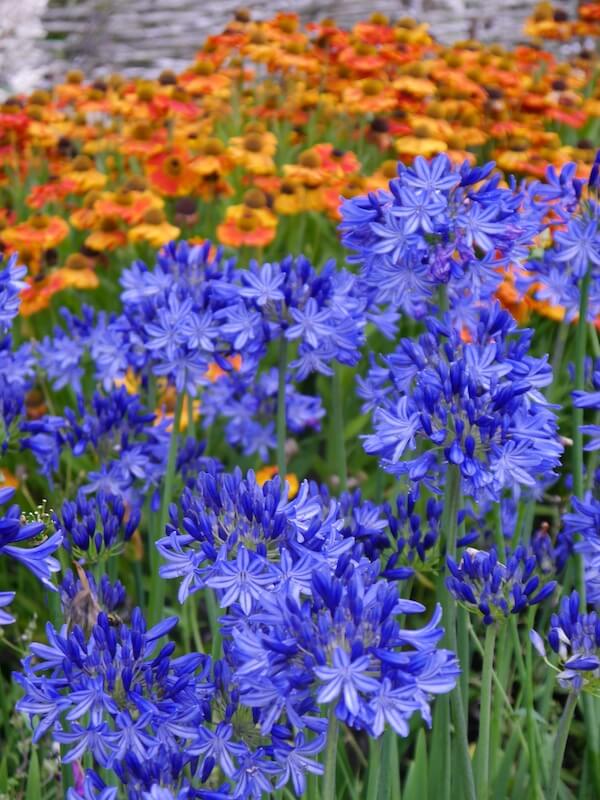
A: Agapanthus Northern Star stands out for its bold colour and strong structure. This African lily forms a tidy clump of strap-like foliage and tall upright stems. Each stem bears a round umbel of trumpet-shaped flowers. The violet-blue blooms often show a delicate purple stripe along each petal. Some flowers appear tinged with dark purple or blue-black near the centre.
The result creates a particularly striking display in summer borders and patio containers. The glossy green leaves form an attractive base beneath the flower stems. This cultivar also ranks among the hardier agapanthus plants. Gardeners often choose it for reliable performance across the UK climate. With good soil and sunlight, the plant produces an abundance of flowers each growing season. It also works beautifully with Mediterranean-style planting. These qualities make Northern Star a standout ornamental perennial.
Q: Where should I plant Agapanthus for the best results?
A: Agapanthus grows best in a warm and sunny position with plenty of light. Choose a sheltered place where wind cannot damage the upright stems. A south-facing wall or patio edge often works well. This plant enjoys fertile soil that drains freely. Well-drained soil helps protect the roots from winter wet.
Many gardeners grow agapanthus in borders where the tall flower stems create structure. Others prefer a large pot or container so they can move the plant if needed. The African lily also suits patio containers because it loves the warmth reflected by paving. When planted at ground level in suitable soil, the plant quickly develops a strong clump of foliage. With the right conditions, it will thrive and produce vivid blue-purple flowers every summer.
Q: Can Agapanthus Northern Star grow well in a pot or container?
A: Yes, Agapanthus northern star performs extremely well in a pot. Many gardeners prefer this method because it improves drainage and warmth. Use a large container that holds at least 10 litres of compost. A loam-based mix such as John Innes No.3 offers excellent support for the roots. Container growing also suits smaller gardens, balconies, and terraces. The plant looks superb in patio containers placed in a sunny position. A pot warms quickly in spring, which encourages earlier new growth. The plant also becomes easier to protect in colder regions. You can move the container into a shelter or indoors during severe frost. With regular feeding and the right compost, agapanthus plants in pots often flower very well. This approach also keeps the plant compact and tidy.
Q: What soil conditions help Agapanthus thrive?
A: Agapanthus prefers moist but well-drained soil rich in organic matter. Good drainage remains essential for healthy roots. When the soil stays too wet in winter, plants may struggle. Mixing compost into the planting area improves structure and fertility.
A fertile growing medium encourages strong foliage and sturdy stems. In garden borders, the roots spread gradually and form a dense clump. Container plants also benefit from loam-based compost, which retains nutrients well. Keep the soil slightly moist during the growing season, but avoid heavy watering. The right balance supports healthy flower development and strong stems. With these conditions in place, agapanthus plants grow vigorously and deliver reliable summer colour.
Q: How hardy is Agapanthus Northern Star in the UK climate?
A: Agapanthus northern star ranks among the hardier varieties available. The plant usually tolerates winter temperatures near -10°C (14°F). However, excellent drainage helps protect the roots from frost damage. Wet soil causes more harm than cold air.
In colder regions, winter protection offers extra security. Apply a light mulch around the crown during late autumn. Container plants benefit from shelter beside a wall or inside a greenhouse. Some gardeners move pots indoors during extreme cold. The foliage may behave as semi-evergreen in mild areas. In colder climates, it often becomes deciduous and dies back before new growth appears in spring. With sensible protection, this agapanthus cultivar grows reliably in many UK gardens.
Q: When does Agapanthus Northern Star flower, and what does it look like?
A: Agapanthus northern star usually begins to bloom in mid to late summer. Tall upright stems rise above the green foliage and carry large flower heads. Each stem supports a rounded umbel made of many trumpet-shaped blooms.
The flowers display a rich dark blue or violet-blue colour. Each petal often shows a subtle stripe that adds depth and interest. Some blooms appear purple at the base with darker tones near the centre. This detail creates a gentle two-tone effect within the flower cluster.
The tall stems and bold colour make the plant a standout feature in borders and containers. The striking flowers also attract pollinating insects during warm weather. When conditions suit the plant, it produces an impressive abundance of blooms every season.
Q: How should I feed and care for Agapanthus during the growing season?
A: Agapanthus benefits from steady care during the growing season. Keep the soil moist but never waterlogged. A moderate watering routine helps the plant produce strong stems and healthy foliage.
Feed the plant every few weeks with a balanced liquid feed. This encourages vigorous growth and improves flowering performance. Container plants often need feeding more frequently because nutrients wash away with watering.
Remove faded stems once the flowers finish. This simple task keeps the plant tidy and directs energy into new growth. The foliage remains attractive through summer and early autumn. With regular care, agapanthus plants reward gardeners with strong growth and reliable colour each year.
Q: Where can I buy Agapanthus Northern Star?
A: Agapanthus Northern Star is widely available in the UK. Many garden centres stock this popular perennial during spring and early summer. Specialist horticultural nurseries also offer strong plants ready for the garden.
Online retailers provide another convenient option. Gardeners can order container-grown plants that arrive ready to plant. When buying agapanthus plants, choose healthy specimens with firm roots and glossy green foliage.
Look for plants labelled with their correct cultivar name and, where applicable, PBR status. Quality plants establish quickly and flower sooner. With the right care and planting conditions, they will thrive and produce beautiful summer displays.
All images © Plantipp BV®