

20 Beautiful Blue Flowers for UK Gardens
The Best Blue Flowering Plants for UK Gardens and Borders
Blue flowers bring a cool, calming feel to the garden and pair beautifully with almost every other colour. In UK gardens, they also provide valuable seasonal interest, appearing from early spring bulbs through to late-summer perennials. Our temperate climate, regular rainfall, and moderate summers suit many blue-flowering plants extremely well. Some prefer sunny borders, while others thrive in woodland shade or damp soil. Many also support bees and other pollinators, making them a smart choice for wildlife-friendly planting. For gardeners seeking inspiration, the selection of 20 Beautiful Blue Flowers for UK Gardens highlights reliable performers that thrive across much of the country. By combining several species, you can enjoy waves of blue from February to autumn. Some create height in borders, others spread gently as ground cover, and a few naturalise in lawns or woodland edges. Together, these plants form a versatile palette of blue tones that can transform beds, borders, and containers throughout the gardening year, offering both beauty and valuable seasonal interest in every UK garden.
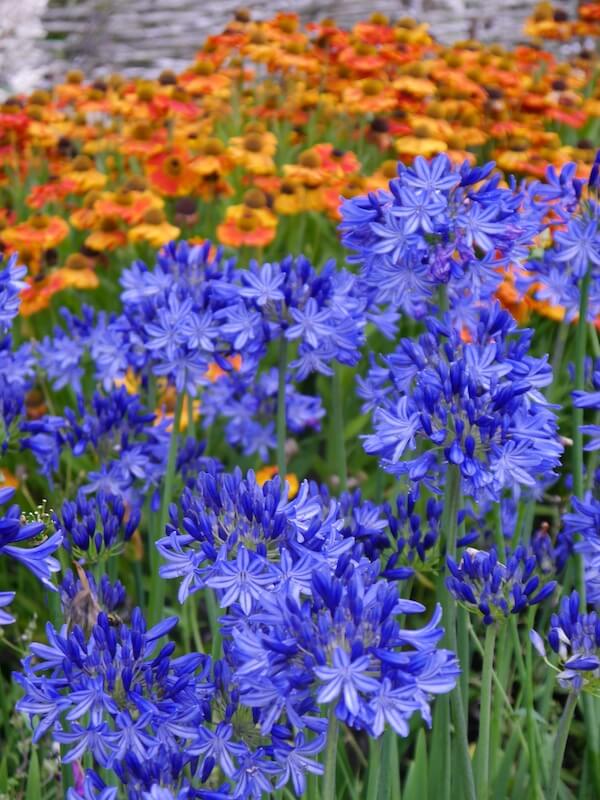
Agapanthus Northern Star – Striking Summer Blooms for Sunny Borders
Agapanthus Northern Star produces rounded heads packed with rich blue trumpet-shaped flowers. The blooms rise above strap-like foliage on tall stems during mid to late summer. Each flower head can reach twenty centimetres across and creates a striking display in borders or containers. The strong stems also make excellent cut flowers.
This agapanthus grows best in full sun and free-draining soil. It tolerates summer drought once established, but dislikes winter waterlogging. In most UK regions, it withstands temperatures down to around -10°C (14°F). In colder areas, a sheltered position against a sunny wall improves winter survival.
Plant crowns so the neck sits just above soil level. Water well during the first growing season. After flowering, remove spent stems to keep plants tidy. Apply a thick mulch in late autumn to protect roots from frost.
Bees often visit the tubular flowers during warm days. The plant also pairs well with ornamental grasses and salvias in sunny borders. Recommended varieties include Northern Star itself, Blue Storm, and Midnight Star. These cultivars offer dependable flowering and strong colour for British gardens.
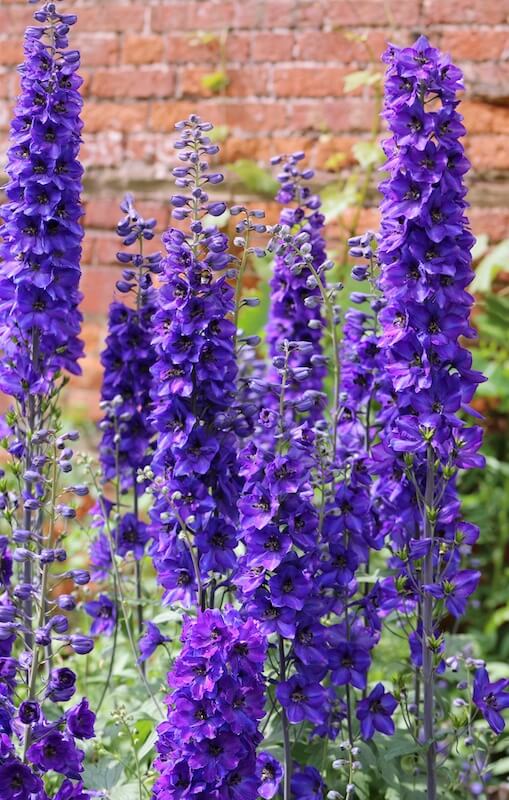
Delphiniums – Towering Spires of Bold Blue Elegance
Delphiniums create tall spires packed with bold blue flowers. Their vertical form adds height and drama to summer borders. Large blooms open gradually along each stem, often reaching more than one metre tall. Shades range from pale sky blue to deep royal tones.
These perennials thrive in fertile soil that drains well yet stays evenly moist. Choose a sunny position sheltered from strong winds. Most delphiniums cope with winter temperatures down to about -15°C (5°F). Cool summers in many parts of the UK help them perform well.
Plant in spring and enrich the soil with compost or well-rotted manure. Stake tall stems early to prevent damage. Water during dry spells and feed regularly with a balanced fertiliser. Remove faded flower spikes to encourage a second flush later in summer.
Bees love the pollen-rich blooms. Delphiniums combine beautifully with roses, foxgloves, and peonies in traditional borders. Popular varieties include Pacific Giants, Blue Bird, and Black Knight. These cultivars offer strong stems and reliable flowering. With proper care, they become impressive focal points in any summer garden.
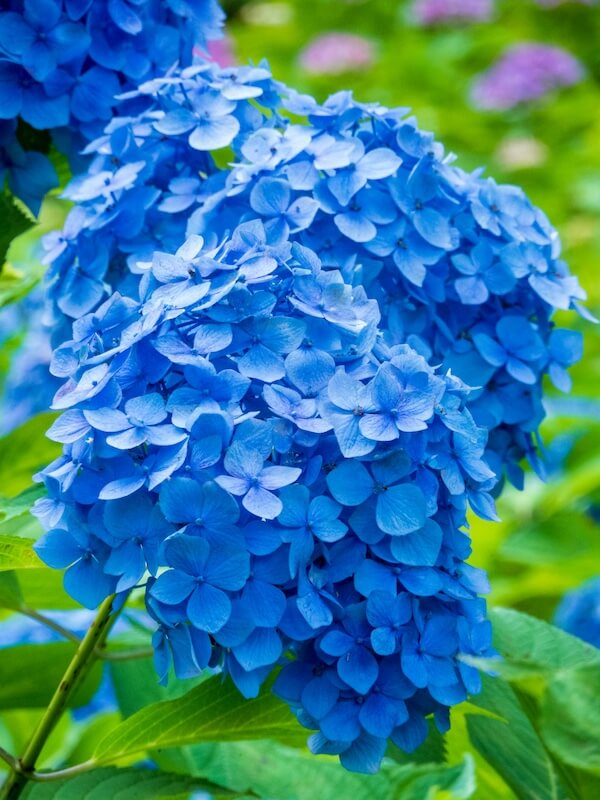
Hydrangea macrophylla (blue varieties) – Lush Colour for Shaded Borders
Hydrangea macrophylla produces large, rounded flower heads that brighten borders from midsummer into autumn. Blue varieties develop rich azure tones when grown in acidic soil. The bold blooms contrast well with dark green leaves and bring strong colour to shaded areas.
These shrubs grow best in moist, fertile soil that retains water during warm spells. Partial shade suits them well, although they tolerate gentle morning sun. Hydrangeas handle winter temperatures down to about -15°C (5°F). In colder gardens, place them where buildings or fences offer protection.
Plant during spring or autumn and mix compost into the soil. Water regularly through summer, especially during dry periods. To maintain blue colour, add ericaceous compost or aluminium sulphate according to RHS guidance. Prune lightly in spring by removing weak stems and old flower heads.
Hydrangeas attract pollinating insects, particularly lacecap forms. They also combine well with ferns and hostas in shaded borders. Reliable blue varieties include Nikko Blue, Endless Summer Blue, and Blue Wave. These shrubs provide long-lasting colour and dependable performance in many UK gardens.
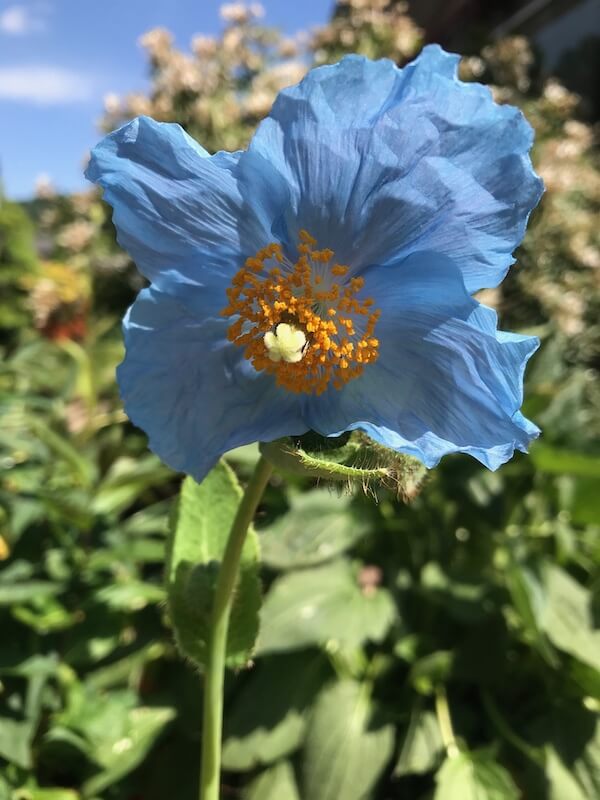
Meconopsis Lingholm (Himalayan Blue Poppy) – Delicate Blue Poppies for Cool Gardens
Meconopsis betonicifolia Lingholm produces large sky-blue poppy flowers with golden centres. The delicate petals create one of the most striking displays in cool, shaded gardens. Each bloom sits on upright stems above soft green foliage during late spring and early summer.
This plant prefers cool conditions and moist soil rich in organic matter. Partial shade suits it best, especially woodland settings with protection from hot afternoon sun. In the UK, it survives winter temperatures of around -10°C (14°F) if the soil stays well-drained.
Plant in spring and improve the soil with compost or leaf mould. Keep the ground evenly moist but never waterlogged. Remove faded flowers to extend the display. Protect young plants from slugs and snails, which enjoy the tender leaves.
Bees visit the open flowers during warm weather. Meconopsis pairs well with ferns, hostas, and primulas in shady borders. Recommended forms include Lingholm itself and Lingholm hybrids bred for stronger growth. Although this plant requires careful siting, it rewards patient gardeners with remarkable blue flowers rarely matched elsewhere in the garden.
Salvia nemorosa Caradonna – Vibrant Spikes for Pollinator-Friendly Beds
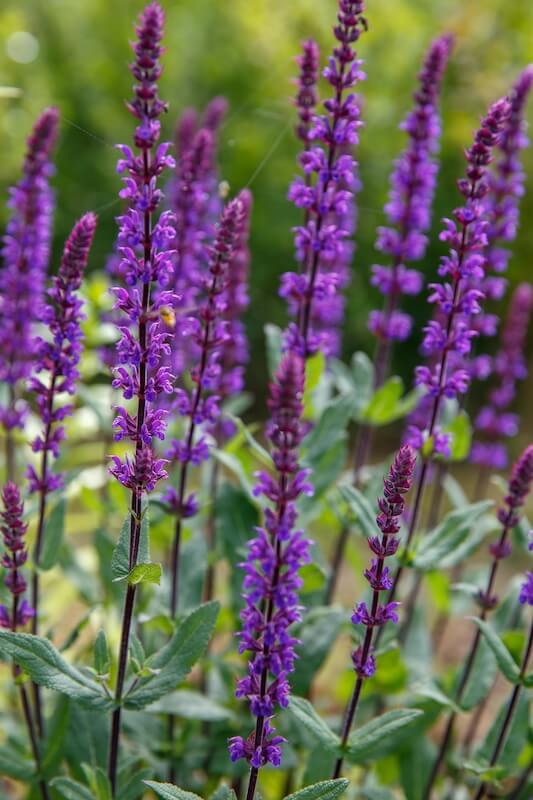
Salvia nemorosa Caradonna forms upright spikes of deep violet-blue flowers from early summer. The blooms stand above dark purple stems and aromatic grey-green leaves. This contrast gives the plant a striking appearance in mixed borders.
Salvias grow best in full sun and well-drained soil. They cope with dry spells once established and suit gravel gardens or sunny beds. Caradonna tolerates winter temperatures down to roughly -15°C (5°F) if the soil drains freely.
Plant during spring and space clumps about forty centimetres apart—water well while plants establish. Once flowering finishes, shear the stems back to encourage fresh growth and another flush of flowers. A light feed with general fertiliser also helps.
Bees and other pollinators flock to the nectar-rich blooms. Salvias pair well with roses, grasses, and ornamental alliums. Caradonna remains one of the most reliable blue varieties available. Other good forms include Blue Hill and Ostfriesland. Together they provide long-lasting colour, neat growth, and valuable nectar for wildlife in summer borders.
Clematis Multi Blue – A Striking Climber with Double Blue Blooms
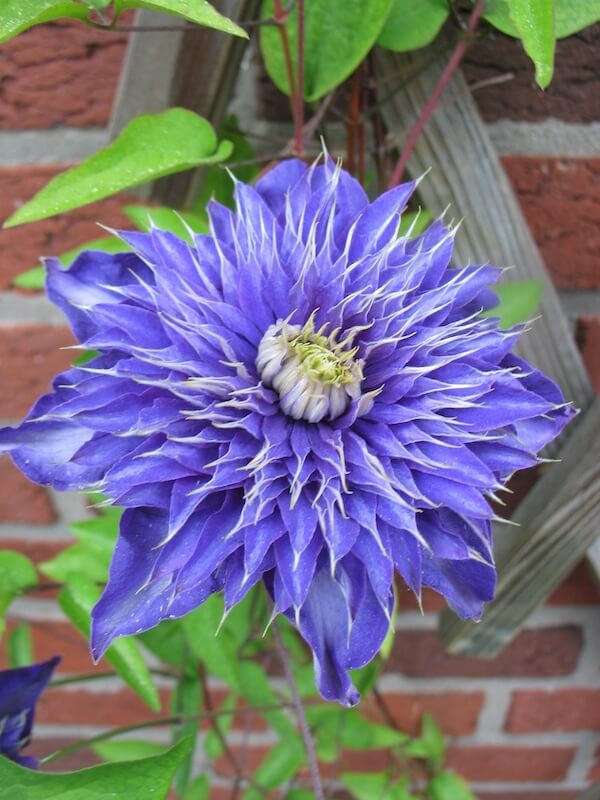
Clematis Multi Blue is a striking deciduous climber prized for its rich blue, double flowers that create a luxurious, layered look. The blooms often feature a central tuft of silvery-blue petaloids, giving them a distinctive, almost star-like appearance. Flowering in late spring and again in late summer, it provides long-lasting colour and vertical interest, making it ideal for trellises, arches, and walls.
In UK gardens, Clematis Multi Blue thrives in full sun or partial shade, with its roots kept cool and shaded. It prefers fertile, well-drained soil that retains moisture without becoming waterlogged. Hardy across most of the UK, it performs well in sheltered positions protected from strong winds.
Plant deeply, with the crown set just below soil level to encourage strong growth. Water regularly during dry spells, especially while establishing, and feed in spring with a balanced fertiliser. As a Group 2 clematis, it benefits from light pruning in late winter and again after its first flush of flowers. Watch for pests such as slugs and the occasional risk of clematis wilt.
This variety attracts pollinators and pairs beautifully with climbing roses or other clematis varieties. Beginners may also enjoy similar types like Nelly Moser, The President, and Miss Bateman.
Campanula lactiflora Prichard's Variety – Graceful Bells for Mixed Borders
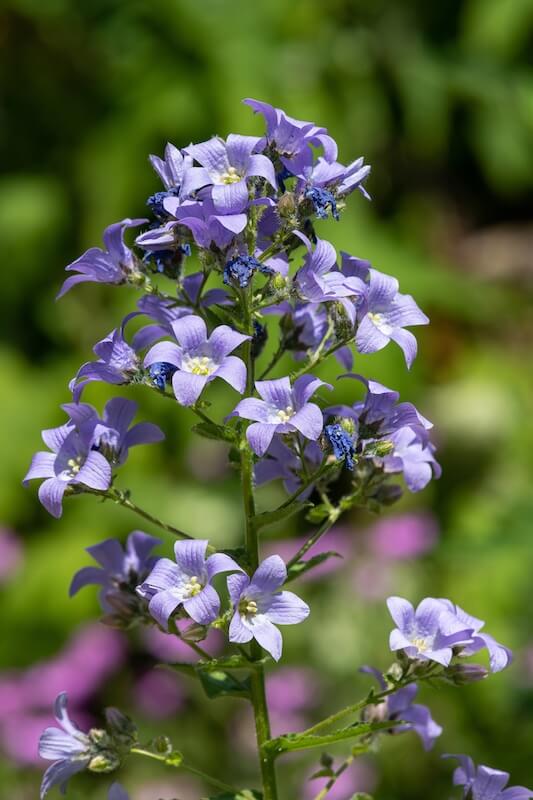
Campanula lactiflora Prichard’s Variety produces airy sprays of soft blue bell-shaped flowers. The blooms appear in mid to late summer and sway gently above leafy stems. This tall perennial creates movement and lightness within mixed borders.
Campanulas grow well in full sun or light shade. They prefer fertile soil that retains moisture without becoming waterlogged. In the UK, they tolerate winter temperatures of -20°C (-4°F) when planted in suitable soil.
Plant clumps in spring or autumn and enrich the ground with compost. Water regularly during the first growing season. After flowering, cut stems back to encourage fresh foliage and sometimes a second flush. Divide established plants every few years to maintain vigour.
Bees enjoy the open bell-shaped flowers. Campanula pairs beautifully with phlox, salvias, and ornamental grasses. Prichard’s Variety remains a favourite due to its reliable flowering and soft blue tones. Other good options include Loddon Anna, and Alba. These plants add height and gentle colour to summer borders.
Geranium Rozanne – Long-Lasting Ground Cover with Lavender-Blue Flowers
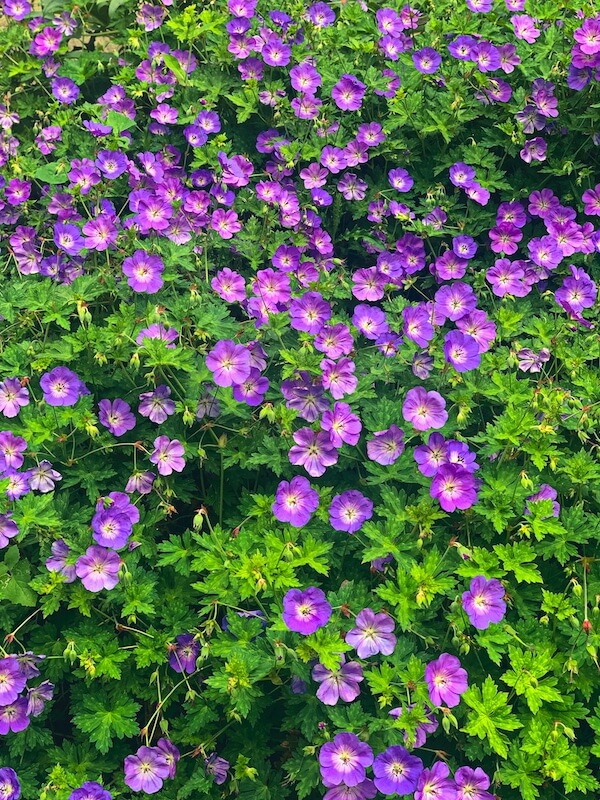
Geranium Rozanne produces large lavender-blue flowers with white centres. The blooms appear continuously from early summer until autumn frosts. Each flower sits above spreading foliage that forms a generous ground cover.
This hardy cranesbill grows well in full sun or partial shade. It tolerates many soil types provided drainage remains reasonable. In the UK, it survives winter temperatures close to -20°C (-4°F) with little protection.
Plant during spring and water regularly until roots establish. Trim the plant lightly in midsummer if it becomes untidy. Fresh foliage soon appears, and flowering continues strongly. Mulch around the base to retain moisture during warm periods.
Bees visit the flowers frequently because they offer reliable nectar. Rozanne combines well with roses, grasses, and salvias in relaxed borders. It also works nicely at the front of beds, where it softens edges.
This variety gained an RHS Award of Garden Merit for good reason. Its long flowering season and resilience make it a dependable choice. Other useful cranesbills include Johnson’s Blue and Orion for similar blue shades.
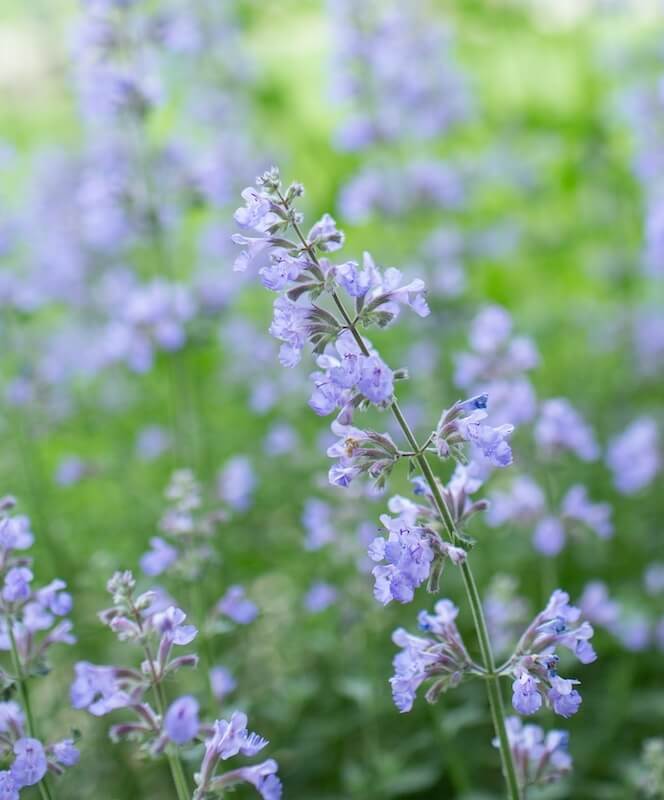
Nepeta Six Hills Giant – Aromatic Haze of Soft Blue Blooms
Nepeta Six Hills Giant forms wide clumps of grey-green foliage topped with soft blue-lavender flowers. The plant creates a gentle haze of colour across borders from late spring into summer. Its aromatic leaves release a pleasant scent when brushed.
Catmint grows best in full sun and well-drained soil. It tolerates poor or dry ground and suits gravel gardens. In the UK, it survives winter temperatures down to about -20°C (-4°F) without trouble.
Plant during spring and water regularly while roots establish. After the first wave of flowers fades, shear the plant back by half. This encourages fresh foliage and another flowering display later in the season.
Bees and hoverflies gather around the nectar-rich blooms throughout warm days. Nepeta also pairs beautifully with roses, lavender, and ornamental grasses. Six Hills Giant remains a favourite due to its vigorous growth and soft colour.
Other reliable varieties include Walker’s Low and Junior Walker. These plants add texture, fragrance, and valuable pollinator support while requiring very little maintenance.
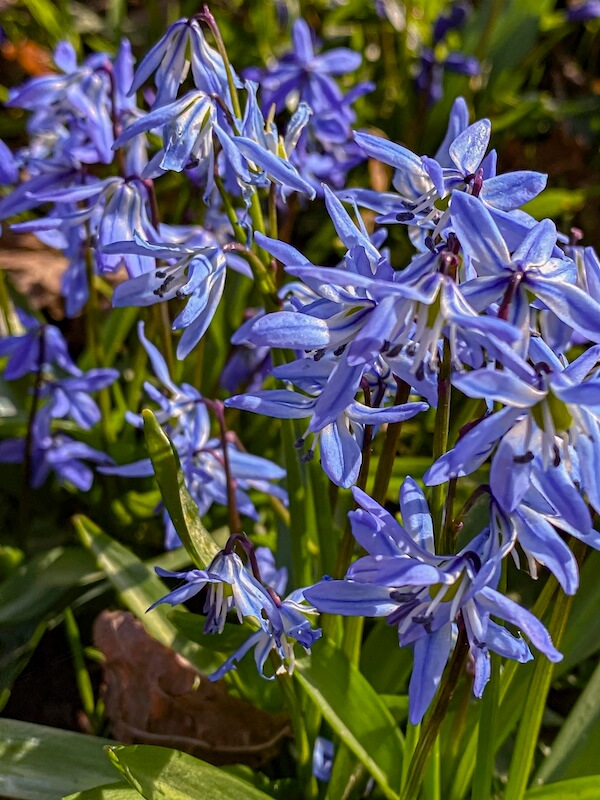
Scilla siberica – Early Spring Nods of Violet-Blue Beauty
Scilla siberica produces nodding violet-blue bells during early spring. The flowers appear above narrow green leaves and often form dense carpets over time. These small bulbs bring bright colour when the garden begins to wake after winter.
Scilla grows best in full sun or partial shade. It prefers well-drained soil but adapts to most conditions. In the UK, it tolerates temperatures near -25°C (-13°F) with ease.
Plant bulbs in autumn about eight centimetres deep. Space them closely for a natural look. Water lightly after planting, then allow nature to take its course. Once established, scilla usually spreads through self-seeding and bulb division.
Bees visit the flowers during mild spring days. These bulbs work well beneath deciduous trees or in lawns where mowing begins after foliage fades. Scilla siberica has earned the RHS Award of Garden Merit thanks to its reliability.
Other similar forms include Scilla bifolia and Spring Beauty. Together they provide early colour and gentle naturalising displays across borders and woodland gardens.
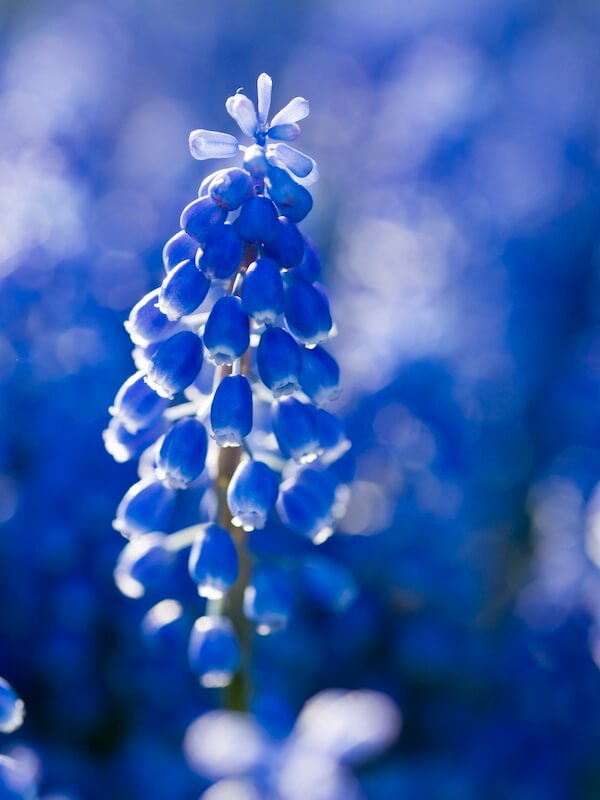
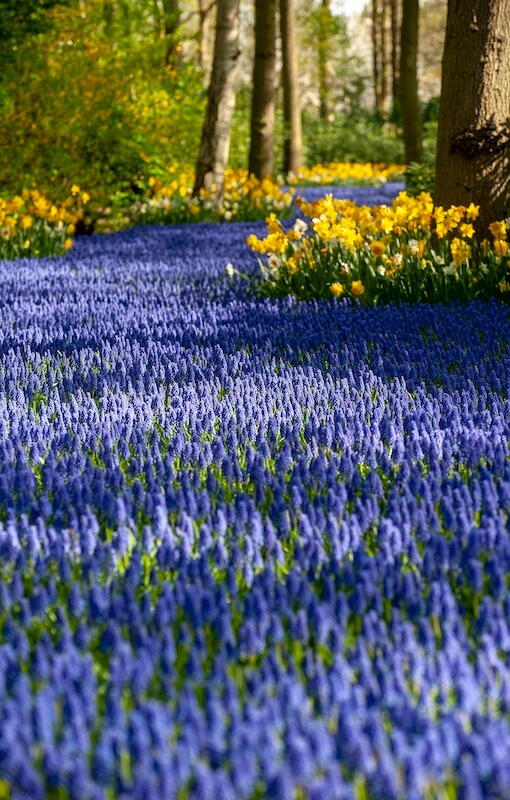
Muscari armeniacum (Grape Hyacinth) – Cheerful Blue Clusters for Borders and Rockeries
Muscari armeniacum produces tight clusters of vivid blue bell-shaped flowers. The blooms resemble tiny grapes packed along upright stems. These bulbs appear in mid-spring and brighten borders, rockeries, and paths.
They grow best in full sun or partial shade with well-drained soil. Muscari adapts well to most UK gardens and can withstand winter temperatures of around -25°C (-13°F). Once established, clumps often increase each year.
Plant bulbs in autumn about eight centimetres deep. Water after planting and allow the soil to settle naturally. Leave the foliage to die back after flowering so the bulb stores energy for next season.
Bees frequently visit these early blooms. Muscari pairs nicely with tulips, daffodils, and other spring bulbs. Gardeners often use it to edge borders or fill gaps between larger plants.
Reliable varieties include armeniacum itself, Ocean Magic, and Valerie Finnis. These forms offer strong colour and dependable flowering. With minimal care, they provide cheerful spring displays year after year.
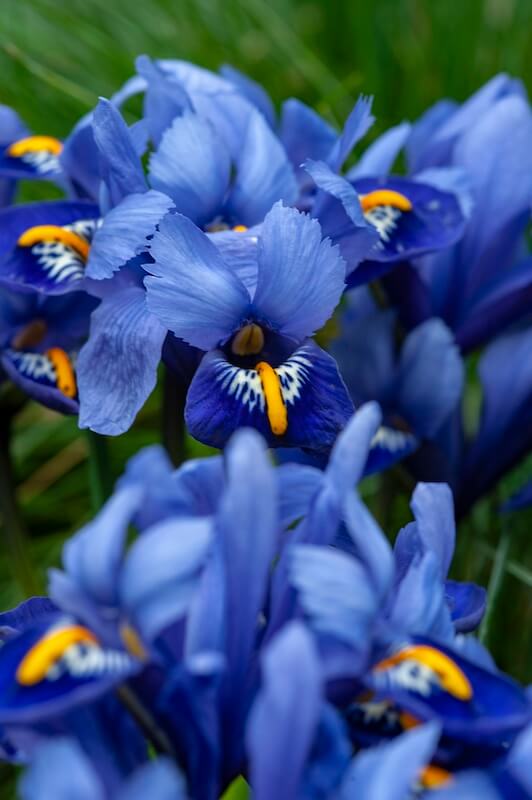
Iris reticulata Harmony – Compact Spring Colour with Bold Accents
Iris reticulata Harmony produces deep blue flowers marked with yellow and white accents. The blooms appear very early in spring, often during February. Each miniature iris rises only fifteen centimetres yet delivers strong colour.
These bulbs grow best in full sun and well-drained soil. They thrive in rockeries, containers, and the front of borders. In most UK regions, they tolerate winter temperatures around -20°C (-4°F).
Plant bulbs in autumn roughly eight centimetres deep. Ensure the soil drains freely because wet winter ground can damage them. Water lightly after planting, then allow natural rainfall to support growth.
After flowering, allow foliage to fade naturally. This step helps bulbs gather energy for next year’s display. Many gardeners lift and divide crowded clumps every few seasons.
Bees often visit the flowers during mild days. Iris Harmony pairs well with crocus, snowdrops, and dwarf daffodils. Its early colour and compact size make it an excellent choice for brightening small spaces.
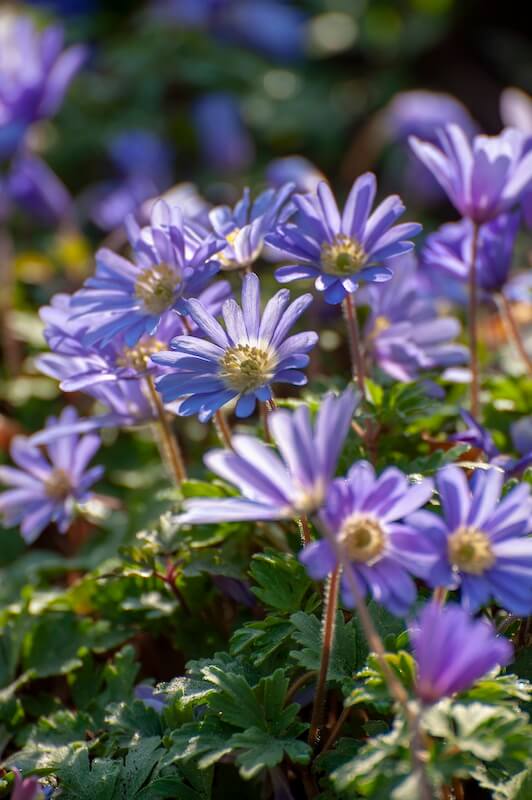
Anemone blanda Blue Shades – Soft Spring Carpets for Woodland Borders
Anemone blanda Blue Shades produces cheerful daisy-like flowers in soft blue tones. The blooms appear above delicate fern-like foliage during early spring. When planted in groups, they create colourful carpets beneath trees.
These small tubers prefer partial shade and moist, well-drained soil. Woodland gardens suit them perfectly. In the UK, they withstand winter temperatures of -20°C (-4°F).
Soak tubers overnight before planting in autumn. Position them five centimetres deep in loose, compost-enriched soil. Water after planting and allow rainfall to support growth.
Once established, these plants often spread naturally through self-seeding. Leave foliage to die back after flowering so the tuber stores energy. Minimal care keeps them healthy.
Early pollinators visit the open blooms on warm spring days. Blue Shades combines well with primroses, scilla, and snowdrops. The result creates soft spring colour beneath trees or along shaded borders.
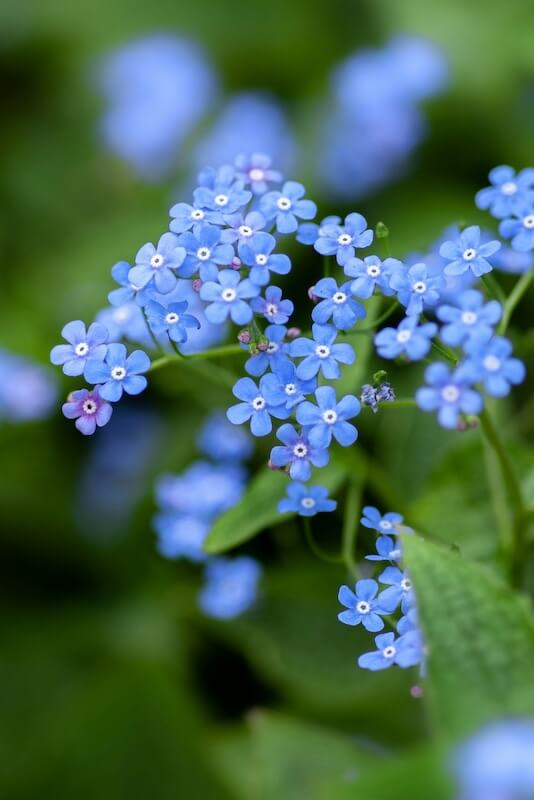
Forget-me-nots (Myosotis sylvatica) – Tiny Blue Blooms with Woodland Charm
Forget-me-nots produce clouds of tiny sky-blue flowers during spring. Each bloom features a yellow centre and sits above soft green foliage. The plants form low mounds that brighten woodland edges and borders.
These short-lived perennials prefer partial shade and moist, fertile soil. They tolerate winter temperatures near -20°C (-4°F) across much of the UK. Once established, they often self-seed and return each year.
Sow seeds during late spring or early summer for flowering the following year. Thin seedlings so plants have space to grow. Water during dry spells to keep them healthy.
After flowering, allow some plants to set seed. This encourages natural regeneration. Remove unwanted seedlings where necessary to maintain order.
Bees and hoverflies enjoy the nectar-rich flowers. Forget-me-nots pair beautifully with tulips, wallflowers, and spring bulbs. Popular forms include Blue Ball and Victoria Blue. Their gentle colour adds charm to beds, borders, and woodland plantings.
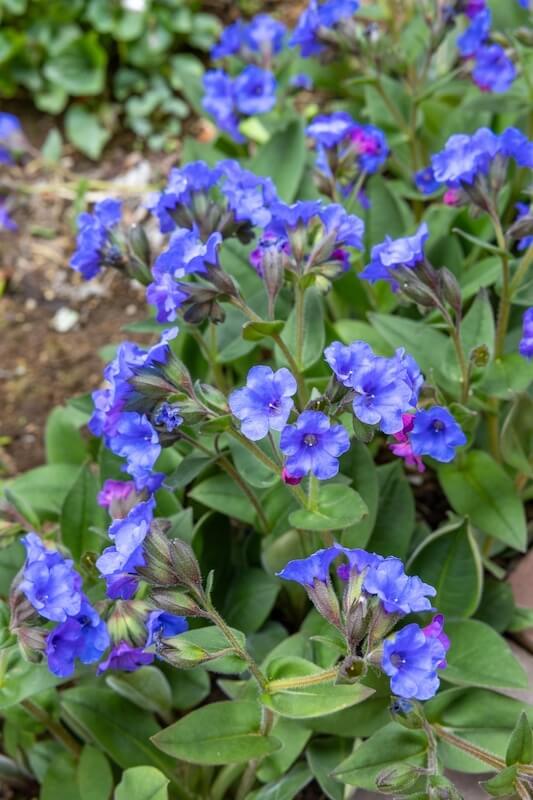
Pulmonaria Blue Ensign – Early Blue Bells Among Attractive Foliage
Pulmonaria Blue Ensign produces clusters of deep blue bell-shaped flowers in early spring. The blooms emerge from spotted foliage that remains attractive through summer. This plant provides colour when many borders still appear quiet.
Pulmonaria grows best in partial shade with moist, humus-rich soil. Woodland gardens suit it perfectly. Across most UK regions, it tolerates winter temperatures near -20°C (-4°F).
Plant during spring or autumn and enrich the soil with compost or leaf mould. Water regularly while plants establish. Remove tired leaves in late winter to reveal fresh growth and flowers.
Bees value the early nectar from these blooms. Pulmonaria pairs well with hellebores, ferns, and hostas in shaded borders. Blue Ensign stands out for its strong colour and reliable growth.
Other good varieties include Diana Clare and Trevi Fountain. These plants provide early seasonal interest and attractive foliage throughout the growing year.
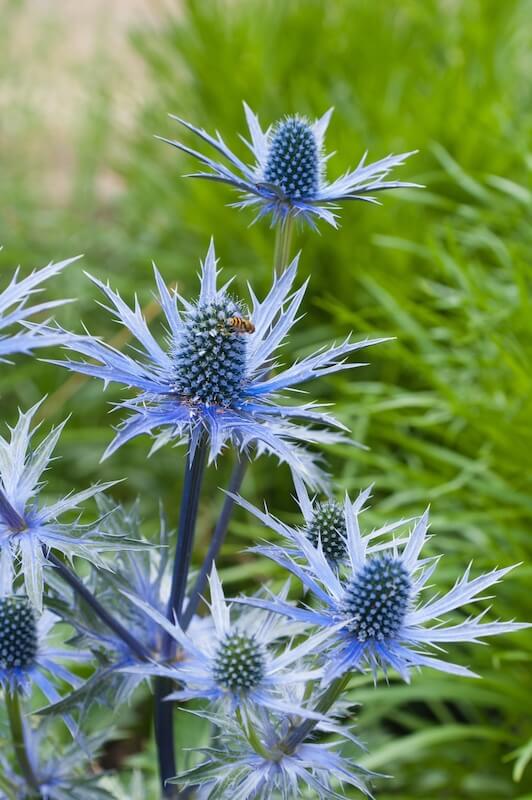
Eryngium planum (Sea Holly) – Architectural Steel-Blue Flowers for Sunny Borders
Eryngium planum produces spiky steel-blue flowers surrounded by matching bracts. The unusual structure creates strong architectural interest in sunny borders. Flower heads sit above silvery stems during mid to late summer.
Sea holly grows best in full sun and very well-drained soil. It tolerates dry conditions once established. In the UK, it survives winter temperatures around -20°C (-4°F).
Plant in spring and avoid disturbing the roots later, as the plant dislikes transplanting. Water during the first growing season. Once mature, it usually needs little attention.
The flowers attract bees and other pollinators throughout warm weather. Eryngium pairs beautifully with grasses, echinacea, and lavender. Its bold shape also suits coastal gardens where wind and dry soil challenge other plants.
Recommended varieties include Blue Glitter, Sapphire Blue, and planum itself. These plants provide striking colour and structure without demanding constant care.
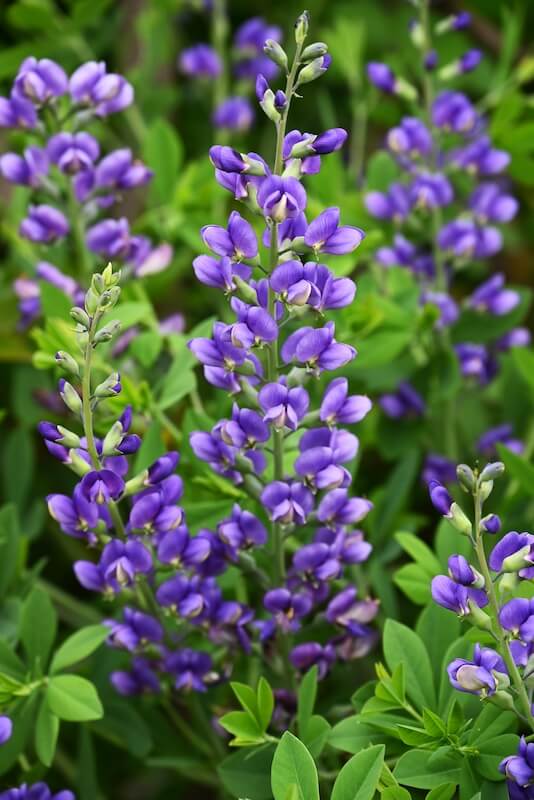
Baptisia Decadence Blueberry Sundae – Elegant Spikes for Summer Interest
Baptisia Decadence Blueberry Sundae produces tall spikes of indigo-blue flowers in late spring. The blooms resemble pea flowers and sit above blue-green foliage. Mature plants form handsome clumps that remain attractive through summer.
This perennial grows best in full sun and in fertile, well-draining soil. Once established, it tolerates dry conditions. In the UK, it survives winter temperatures close to -20°C (-4°F).
Plant in spring and allow plenty of space, as clumps expand slowly. Water regularly during the first year. After the establishment, the plant needs little maintenance.
Baptisia supports pollinators by providing nectar-rich flowers. It also works well with ornamental grasses and other prairie-style perennials. Blueberry Sundae remains popular for its strong colour and compact habit.
Other good forms include Indigo Spires and Lemon Meringue. These plants bring structure and long-lasting interest to sunny borders.
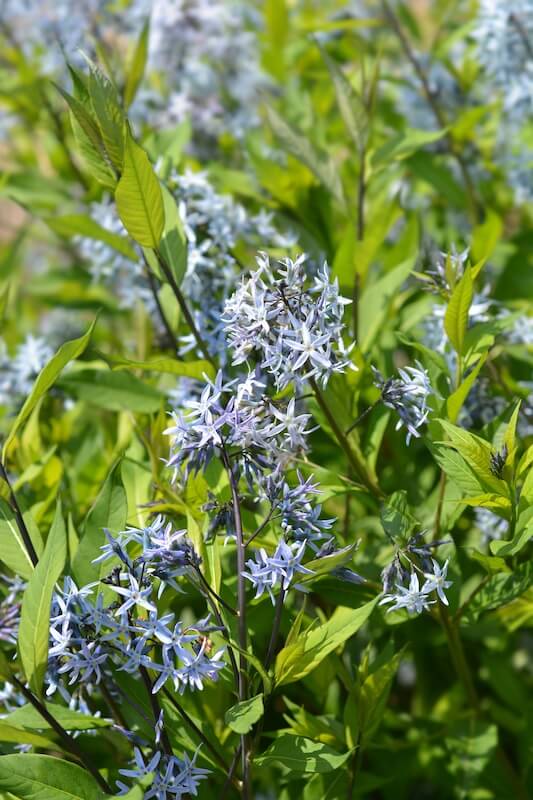
Amsonia Blue Ice – Periwinkle Stars with Seasonal Foliage Colour
Amsonia Blue Ice produces clusters of periwinkle blue star-shaped flowers in late spring. The blooms rise above neat mounds of narrow foliage. During autumn, the leaves often turn golden, adding extra seasonal interest.
Amsonia prefers full sun or light shade and well-drained, fertile soil. It adapts well to many UK gardens and tolerates winter temperatures of -20°C (-4°F).
Plant during spring and water regularly until roots establish. After flowering, trim stems lightly to maintain shape. Once settled, the plant requires minimal attention.
Bees often visit the nectar-rich blooms. Amsonia pairs nicely with ornamental grasses, echinacea, and salvias in relaxed borders. Blue Ice remains a compact variety suitable for smaller spaces.
Other forms, such as Storm Cloud, also perform well. These plants provide gentle colour, tidy growth, and attractive foliage across several seasons.
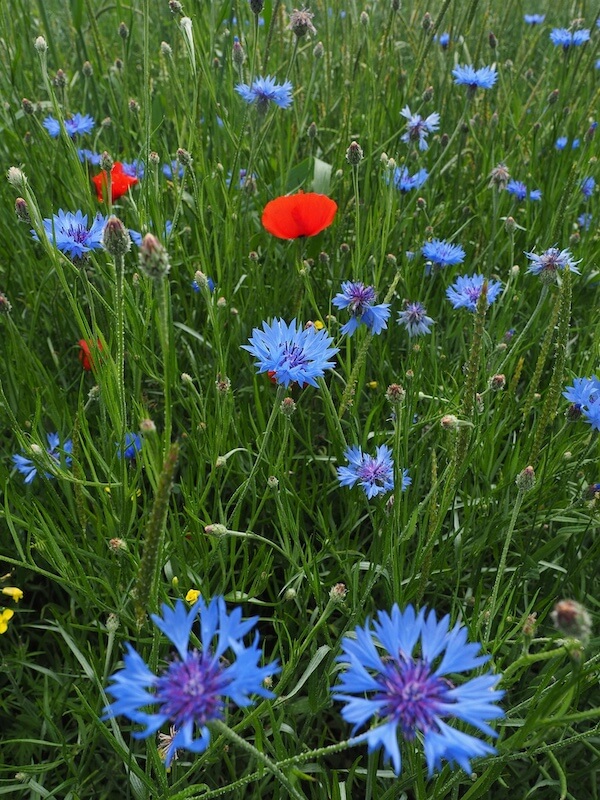
Centaurea montana – Bright Blue Ruffled Blooms for Cottage-Style Gardens
Centaurea montana produces bright blue ruffled flowers with dark centres. The blooms appear during late spring and early summer above soft grey-green foliage. This plant adds cheerful colour to cottage-style borders.
It grows best in full sun or partial shade and prefers well-drained soil. In the UK, it tolerates winter temperatures near -25°C (-13°F). Once established, it spreads gradually through underground stems.
Plant during spring and water regularly until the roots settle. After flowering, cut stems back to encourage fresh foliage and sometimes another bloom period. Divide clumps every few years to maintain vigour.
Bees and butterflies visit the pollen-rich flowers frequently. Centaurea combines well with geraniums, salvias, and ornamental grasses. Popular forms include Amethyst in Snow and Jordy.
These plants provide dependable colour and wildlife value while requiring only modest care in most gardens.
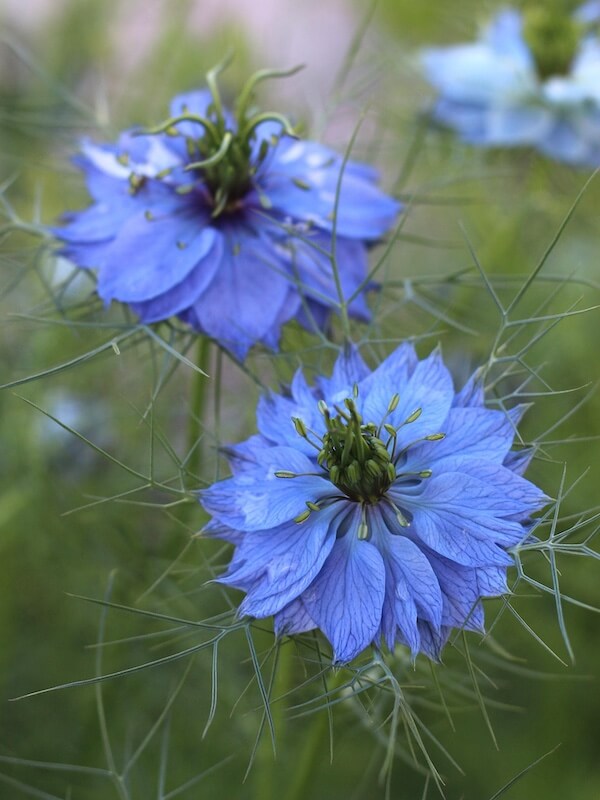
Nigella Miss Jekyll – Delicate Cottage-Garden Flowers with Airy Charm
Nigella damascena Miss Jekyll is a charming annual loved for its soft, sky-blue flowers surrounded by fine, feathery foliage that creates a light, misty effect in borders. The blooms are simple yet elegant, followed by distinctive balloon-like seed pods that add further interest and are ideal for drying. Its relaxed, informal style makes it perfect for cottage gardens and naturalistic planting schemes.
In UK conditions, Nigella thrives in full sun and well-drained soil. It prefers lighter soils but will grow in most garden types, provided drainage is good. Fully hardy as an annual, it copes well with typical British weather and can be sown directly outdoors.
Sow seeds in spring where they are to flower, as Nigella dislikes root disturbance. Water lightly during dry spells, but avoid overwatering. This plant requires very little feeding and no pruning. Deadheading can prolong flowering, though allowing some plants to set seed encourages natural self-seeding for future displays.
Nigella is attractive to bees and other pollinators, making it a valuable addition to wildlife-friendly gardens. It pairs beautifully with poppies, cornflowers, and other annuals.
For beginners, varieties such as Persian Jewels, Albion Black Pod, and Delft Blue are all reliable and easy to grow.
From Darren’s Patch
There’s something truly magical about planting a few well-chosen blue flowers and watching them transform a garden. In my own borders, Geranium Rozanne and Agapanthus Northern Star provide long-lasting colour, while smaller bulbs like Muscari armeniacum create early spring cheer. I particularly enjoy layering plants for continuous interest—from delicate Anemone blanda beneath taller delphiniums to salvias and nepeta filling gaps with soft blue haze. Beyond their beauty, these flowers support bees and other pollinators, adding life and movement to the garden. I often recommend blending perennials, bulbs, and climbers to achieve a rich palette of blues that feels both natural and thoughtfully designed. With a little planning and care, even small gardens can enjoy a sweeping display of calming, enduring colour that brightens the year.

Key Points to Remember
- Blue flowers bring a calming, versatile colour that complements almost every garden palette
- Many blue-flowering plants thrive in the UK’s temperate climate, regular rainfall, and moderate summers
- Early spring bulbs like Scilla siberica and Muscari armeniacum provide a welcome burst of colour after winter
- Summer perennials such as Delphiniums, Salvia Caradonna, and Agapanthus offer height, structure, and long-lasting blooms
- Woodland and partial shade plants like Meconopsis Lingholm and Pulmonaria Blue Ensign perform well in cooler, shaded areas
- Acidic soils are essential for Hydrangea macrophylla blue varieties to develop rich azure blooms
- Many blue flowers, including Nepeta and Nigella, attract bees, hoverflies, and other pollinators
- Proper planting, watering, and occasional feeding help maintain healthy growth and maximise flowering
- Shearing or deadheading spent blooms can encourage a second flowering in species such as Nepeta or Delphiniums
- Combining bulbs, perennials, and climbers ensures a continuous display of blue from February through autumn
Blue flowers add calm colour, structure, and seasonal interest across UK gardens. From early spring bulbs to summer perennials and climbers, these plants thrive in many conditions. Several also support bees and other pollinators while providing long-lasting displays. By combining a few of these varieties in borders, containers, or woodland areas, you can enjoy layers of blue colour from February through autumn.
Frequently Asked Questions
Q: Which blue flowers grow best in UK gardens?
A: Many blue flowers thrive in the UK thanks to the mild climate, steady rainfall, and moderate summers. Reliable performers include Agapanthus Northern Star, Delphiniums, Geranium Rozanne, Nepeta Six Hills Giant, and Clematis Jackmanii. These plants tolerate common UK conditions and deliver dependable flowering each year. Early spring bulbs such as Scilla siberica and Muscari armeniacum also grow extremely well and often naturalise in borders or lawns. For shaded areas, Pulmonaria Blue Ensign and Forget-me-nots provide bright spring colour. Choose plants suited to your soil and light conditions. Sunny borders support salvias and eryngium, while woodland areas suit anemones and lungwort. By combining several varieties, you can enjoy waves of blue flowers from February through late summer. Many also attract bees and pollinating insects, which helps support garden wildlife while adding colour and structure to beds and borders.
Q: How can I keep blue flowers healthy throughout the growing season?
A: Healthy plants start with the right growing conditions. Most blue flowering plants prefer well-drained soil and a position that matches their light needs. For example, salvias and agapanthus thrive in sunny borders, while pulmonaria and anemone blanda prefer partial shade. Water new plants regularly during their first season so the roots establish well. After that, many perennials cope with normal UK rainfall. Remove faded flowers from plants such as salvias and delphiniums to encourage fresh growth and sometimes a second display. Add compost or organic matter to improve soil structure and moisture retention. Apply a balanced feed in spring to support healthy growth and flowering. Mulch borders in autumn to protect roots from frost and improve soil quality. With these simple steps, most blue flowers remain vigorous and colourful for many years.
Q: Which blue flowers attract bees and pollinators?
A: Many blue flowers provide valuable nectar and pollen for bees and other pollinating insects. Plants such as Nepeta Six Hills Giant, Salvia nemorosa Caradonna, Centaurea montana, and Eryngium planum attract large numbers of bees during warm weather. Early-spring bulbs like Muscari armeniacum and Scilla siberica also help emerging pollinators when few other flowers are in bloom. Open-flower shapes allow insects to access nectar easily, making these plants especially useful in wildlife-friendly gardens. Planting several species together creates a continuous supply of flowers through the seasons. For example, combine spring bulbs with summer perennials such as geraniums and salvias. Avoid using chemical sprays around flowering plants where possible. This approach supports healthy pollinator populations while also improving fruit and seed production throughout the garden.
Q: How do I keep hydrangeas blue in UK gardens?
A: Hydrangea macrophylla varieties develop their richest blue tones when grown in acidic soil. In neutral or alkaline soil, the flowers often turn pink or purple instead. To maintain a strong blue colour, plant hydrangeas in ericaceous compost or naturally acidic ground. Adding aluminium sulphate, as per RHS guidelines, also helps maintain blue shades. Regular watering is important because hydrangeas dislike dry soil during summer. Apply a spring feed designed for acid-loving plants to support strong growth and flowering. Mulching around the base helps retain moisture and improve soil quality. Light pruning in early spring keeps plants tidy while encouraging fresh growth. With the right soil conditions and consistent care, blue hydrangeas provide striking colour in shaded borders from midsummer through autumn.
Q: Which blue flowers grow well in shade?
A: Several beautiful blue flowers thrive in partial or full shade. Pulmonaria Blue Ensign performs particularly well in woodland borders and produces early blue bells above spotted foliage. Forget-me-nots also grow happily beneath trees, forming gentle clouds of sky-blue flowers during spring. Meconopsis Lingholm, the Himalayan blue poppy, prefers cool, shaded conditions with moist, organic-rich soil. Anemone blanda Blue Shades spreads gradually beneath deciduous trees and produces cheerful spring displays. Hydrangea macrophylla varieties also tolerate shade, especially if they receive gentle morning sunlight. These plants suit woodland gardens, north-facing beds, and areas where larger shrubs create shade. Improving the soil with compost or leaf mould helps retain moisture and supports healthy growth in these cooler garden spaces.
Q: Can blue flowers grow successfully in containers?
A: Yes, many blue flowering plants grow very well in containers. Agapanthus Northern Star performs especially well in large pots because the roots enjoy slightly restricted space. Iris reticulata Harmony and Muscari armeniacum also make excellent container bulbs for spring displays. Use a high-quality compost that drains freely but retains some moisture. Position containers in sunny areas where flowering plants receive several hours of light each day. Water regularly during warm weather because pots dry out faster than garden soil. Apply a balanced liquid feed during the growing season to support strong flowering. Protect containers during severe frost by moving them to sheltered positions. With good care, container plantings provide striking colour for patios, balconies, and small gardens throughout the year.
Q: How can I create a garden display using blue flowers?
A: Creating a garden display with blue flowers works best when you combine plants that bloom at different times. Start with early bulbs such as Iris reticulata Harmony, Scilla siberica, and Muscari armeniacum for colour from late winter into spring. Follow these with spring woodland plants such as Anemone blanda and Pulmonaria. During summer, taller plants such as delphiniums and campanulas add height and structure to borders. Mid-season perennials, including Geranium Rozanne, Nepeta, and Salvias, provide long flowering periods and fill gaps between larger plants. For vertical interest, grow Clematis Jackmanii on trellises or arches. Adding ornamental grasses or silver-leaf plants alongside blue flowers enhances contrast and texture. This layered approach creates a flowing display that keeps beds colourful from February through autumn.
Q: Where can blue flowering plants be purchased?
A: Blue flowering plants are widely available across the UK. Most garden centres stock popular varieties such as salvias, nepeta, geraniums, and hydrangeas during the main planting seasons. Spring bulbs like muscari, scilla, and iris reticulata usually appear in garden centres during autumn when planting time approaches. Specialist nurseries often carry more unusual plants such as Meconopsis Lingholm or Amsonia Blue Ice. Online plant retailers also offer a wide selection and often deliver directly to your door. When buying plants, look for healthy foliage, strong stems, and well-developed roots. Reputable suppliers also provide guidance on growing and planting. Whether you visit a local garden centre or order online, it is easy to find beautiful blue flowers to suit almost any UK garden style.