

Position
- This variety thrives in full sun but is equally capable of performing well in dappled or partial shade
- It is an excellent choice for naturalising in grass, planting under deciduous trees, or creating a mid-border focal point where its large, flat cups can be seen
Hardiness
Extremely resilient to the British climate, ‘Ice Follies’ can withstand winter temperatures dropping as low as −15°C to −20°C (5°F to -4°F)
Soil
Requires moist but well-drained soil that is reasonably fertile. It is highly adaptable to loam, sand, or chalky soils, and can even tolerate clay if the structure is managed correctly
It is a versatile performer that grows successfully in acid, alkaline, or neutral soil conditions
- Grab a soil test kit and ensure the perfect conditions for growth
Height
Typically reaches a mature flowering height of 40cm (16 in) including flowers
- Clumps will broaden over time, forming larger drifts rather than gaining extra height
Seasons of Interest
Additional Notes
- Regarded as one of the most reliable “weather-proof” daffodils, its sturdy stems allow it to remain upright even during typical UK spring gales
- For gardeners dealing with heavy or compacted ground, incorporating organic matter or grit serves as a vital soil improvement to ensure the bulbs remain healthy and rot-free
- To ensure the plant returns with vigour the following year, allow the foliage to die back naturally for at least six weeks after flowering rather than cutting or tying it
- Bulbs should be planted in early autumn at a depth of approximately two to three times their own height to provide adequate protection and stability
- Like most narcissi, ‘Ice Follies’ is unpalatable to common garden pests such as deer, rabbits, and squirrels due to naturally occurring alkaloids
Why Narcissus Ice Follies Is a Popular Daffodil Choice
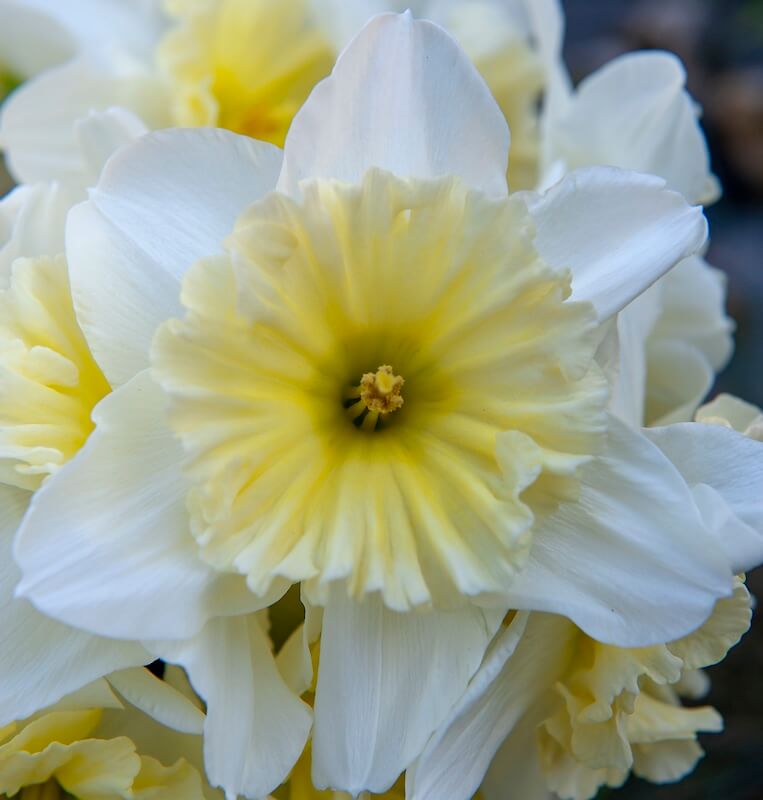
Narcissus Ice Follies brings fresh light to the garden just as winter loosens its grip. This large cupped daffodil opens with creamy-white outer petals and a soft lemon-yellow cup that gradually changes tone. Its generous flowers, sturdy stems, and reliable nature make it one of the most popular daffodil choices in the UK. If you want a bulb that delivers impact year after year, with very little effort, this is a superb place to start.
What Makes Narcissus Ice Follies Such a Popular Daffodil?
Narcissus Ice Follies earns its reputation as a popular daffodil for good reason. It combines large flowers, dependable growth, and a long flowering period. Many gardeners choose it for its bold presence and reliable performance.
This variety sits within the large-cupped daffodils group, known for broad perianth segments and a striking central corona. The Royal Horticultural Society recognises its value and has awarded it the prestigious Award of Garden Merit. That status confirms it performs well in typical UK conditions.
As a perennial bulb, it returns year after year with very little intervention. Once you plant it correctly, it will establish strong roots and reward you each spring. Its vigorous habit and prolific nature make it a dependable addition to any garden scheme.
How Does the Large Cupped Flower and Cup Colour Change Over Time?
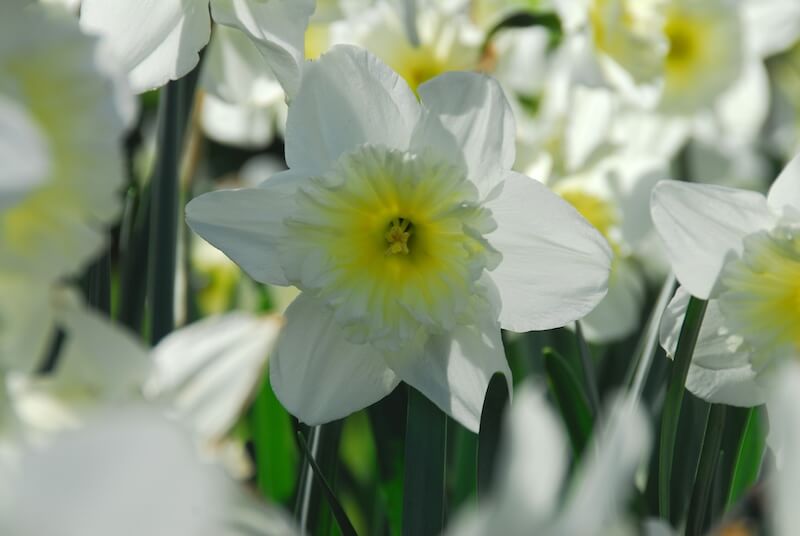
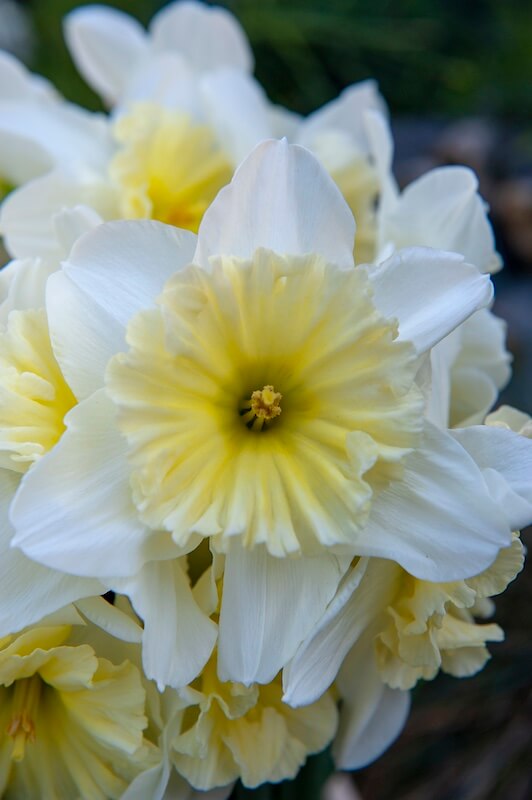
The beauty of narcissus ice follies lies in its shifting colour. Each flower opens with creamy-white outer petals and a lemon-yellow cup. As the flower matures, the cup, which fades to pale cream, creates a softer look. Eventually, it often turns white, creating a layered effect within a single bloom.
The perianth remains bright and clear, forming a white perianth backdrop that enhances the centre. The frilly-edged cup adds texture and depth. As it ages, it fades gently, so you enjoy subtle variation throughout the display.
Each bloom appears as one of the solitary flowers carried on a sturdy stem. The frill at the edge of the corona gives a slightly ruffled finish. That creamy and buttery yellow contrast feels fresh rather than overpowering.
Why Choose This Narcissus for Your Garden Border?
A well-chosen daffodil transforms a border in early to mid-spring. Daffodil Ice Follies works beautifully in mixed planting schemes. Its creamy tones blend with blues, purples, and soft pinks.
Plant it in groups for a stronger display. You can create drifts through a border or tuck bulbs between emerging perennials. The large flowers catch the light and draw the eye without dominating the whole space.
This narcissus also suits formal layouts. Its tidy shape and consistent height make planning easy. When planted thoughtfully, it lifts the entire garden with a calm, confident presence.
When and How Should You Plant Daffodil Bulbs?
Plant daffodil bulbs in autumn while the soil is still workable. This timing allows the bulb to root before winter. Choose firm, high-quality bulbs and avoid any that feel soft.
Plant 10-15cm deep, or roughly 4-6in, depending on bulb size. Space them twice their width apart so roots can spread freely. That spacing encourages healthier growth and stronger stems.
Set each bulb in well-drained soil, and water lightly if the soil feels dry. Good drainage supports long-term success. With careful planting, you create the foundation for a generous bloom in March and April.
What Soil and Position Help This Bulb Thrive in the UK?
This plant thrives in full sun, though it tolerates light shade. Choose a position that receives several hours of direct light each day. Sunlight encourages strong stems and better flower colour.
Ensure the soil drains well. Heavy clay benefits from the addition of grit or compost to improve drainage. Well-drained soil reduces the risk of rot and supports healthy root systems.
Keep the area moist during the growing season, especially in dry spells. Once flowering finishes, reduce watering and allow the foliage to die back naturally. That cycle strengthens the bulb for the following year.
How Tall Does Daffodil Ice Follies Grow and When Does It Bloom?
This daffodil typically reaches a height of around 40cm. The stems hold each bloom upright, even in breezy conditions. That balanced height suits both borders and containers.
It flowers in early to mid-spring, often between March and April. The bloom appears strong and clean, with a width that gives real presence. Its generous size makes it stand out among other flowering bulbs.
Because it is a prolific bloomer, you often see several stems rise from one clump. Over time, the display becomes more impressive as the bulbs establish and multiply.
Is This Fragrant Daffodil Suitable for Naturalising?
Many gardeners allow this narcissus to naturalise in lawns or open beds. Once settled, the perennial bulb increases each year gently. That natural spread creates a relaxed and flowing look.
The flowers carry a light, sweetly fragrant scent. While not overpowering, it adds another layer of enjoyment. A drift of these blooms in the grass feels cheerful and uplifting.
To encourage naturalising, avoid cutting foliage too early. Let the leaves fully feed the bulb. With patience, you will enjoy a growing display every spring.
Can You Grow Ice Follies in Containers?
Yes, this bulb adapts well to container growing. Choose a pot with good drainage holes and fill it with well-drained soil-based compost. Add grit if needed to support drainage.
Plant bulbs at the correct depth and keep the container in a cool position through winter. Move it into a brighter spot as shoots appear. Keep compost moist but never waterlogged.
Container planting works well on patios and near doorways. You can also grow them for cut flowers. Their sturdy stems and large flowers hold well indoors.
How Do You Care for the Foliage After Flowering?
Once the flower fades, remove the spent head but leave the foliage intact. The leaves gather energy and feed the bulb for next year. Cutting too soon weakens the plant.
Allow the foliage to turn yellow and die back naturally. This process usually takes several weeks. During this time, keep the soil lightly moist if the weather stays dry.
A balanced feed after flowering supports strong root growth. With simple care, this perennial plant continues to reward you season after season.
Where Can You Buy Large Cupped Daffodil Bulbs in the UK?
You can buy large cupped daffodil bulbs from reputable UK garden centres each autumn. Many gardeners also choose to buy online from a trusted supplier. Look for bulbs clearly labelled as Narcissus Ice Follies.
Choose large, cupped daffodil bulbs (narcissus) that feel firm and heavy. High-quality stock establishes more quickly and produces stronger stems. Ordering early often secures the best selection.
When you buy large cupped daffodil bulbs, focus on reliable retailers with good customer reviews. Strong bulbs give you the best chance of a healthy, vigorous display.
Final Thoughts on Narcissus Ice Follies
Narcissus Ice Follies remains a multiple award-winner for very good reasons. Its large cupped form, creamy-white perianth, and lemon-yellow cup that fades create subtle variation within one bloom. As it ages, it fades gently, giving the planting a layered look.
This perennial bulb offers consistent performance and strong growth. Whether you plant it in borders, containers, or lawns, it returns year after year. Its calm colour shift and generous flowers bring a sense of freshness to early spring planting.
If you want a reliable, vigorous daffodil that blends easily with other plants, this variety deserves serious consideration.
From Darren’s Patch
Narcissus Ice Follies is one of those daffodils that quietly earns its place and never disappoints. In my own garden, I rely on it to bridge that gap between winter and proper spring, when everything still feels a bit hesitant. The way the lemon cup softens to cream over a few days gives the planting real depth, especially when grouped in generous drifts. It’s a variety I often suggest to beginners because it’s so forgiving, but I grow plenty of it myself, too. It stands up to our unpredictable weather, comes back stronger each year, and blends beautifully with tulips and early perennials. If you’re after a dependable, elegant daffodil that simply gets on with the job, this one truly delivers.

Key Points to Remember
- Plant bulbs in autumn for the best results
- Set each bulb 10–15cm deep and space twice their width apart
- Choose full sun and well-drained soil
- Allow foliage to die back naturally after flowering
- Expect blooms in March and April
- Height reaches around 40cm with large, showy flowers
- The lemon-yellow cup that fades to pale cream adds interest
- Suitable for borders, containers, and naturalising
- Holds the prestigious Award of Garden Merit from the RHS
- A reliable perennial that performs year after year
Narcissus Ice Follies offers dependable performance, elegant colour changes and impressive, large flowers. With the right planting and simple care, this bulb rewards you with a fresh and confident spring display year after year. If you want a proven, multiple award-winner that combines strength and subtle beauty, it is well worth adding to your autumn planting list.
Would you like to learn about other bulb varieties? Read about Narcissus Dutch Master here.
For more information on Spring Flowering Bulbs for your garden, please click here.
Frequently Asked Questions
Q: What makes Narcissus Ice Follies such a popular daffodil in the UK?
A: Narcissus Ice Follies ranks as a popular daffodil thanks to its large flowers, reliable growth and elegant colour shift. This large cupped selection opens with creamy-white outer petals and a lemon-yellow cup that fades to pale cream as the flower matures. As it ages, it fades gently, often turns white at the centre, and keeps its white perianth fresh-looking. The Royal Horticultural Society recognises it as a multiple award-winner, holding the prestigious Award of Garden Merit. That reassurance, combined with vigorous performance and consistent bloom year after year, makes this narcissus a trusted choice for many UK gardens.
Q: When and how should I plant daffodil bulbs for the best display?
A: Plant daffodil bulbs in autumn while the soil remains workable and not frozen. Choose a sunny position or light shade with well-drained soil to improve drainage and prevent rot. Plant 10-15cm deep, which is about 4-6 in, and space bulbs twice their width apart. This spacing allows strong root growth and supports a healthy perennial clump. Water lightly after planting if conditions feel dry. With careful planting and good soil preparation, this bulb establishes quickly and produces a confident display in early to mid-spring.
Q: How tall does Narcissus Ice Follies grow, and when does it bloom?
A: This daffodil typically reaches a height of around 40cm, which suits both a border and container planting. Each sturdy stem carries one of the solitary flowers, giving a neat and balanced look. It blooms in March and April, producing large flowers with a broad perianth and a creamy corona. The generous width of each flower creates real impact without overwhelming nearby plants. As a prolific bloomer, it often forms impressive clumps over time, especially when grown in full sun and kept moist during the growing season.
Q: Does the cup really change colour as the flower matures?
A: Yes, the colour transition forms part of its charm. The bloom opens with a lemon-yellow cup that fades, surrounded by creamy-white outer petals. As the flower matures, the cup, which often fades to pale tones, often turns white, blending softly with the surrounding perianth segments. The frilly-edged cup adds texture, and the frill along the edge gives subtle movement. This gradual change means the display evolves over several days. Many gardeners appreciate this gentle shift, as it adds depth without introducing harsh contrast.
Q: Can Narcissus Ice Follies naturalise in a lawn or border?
A: Narcissus Ice Follies naturalise very well when planted in suitable conditions. As a hardy perennial bulb, it increases steadily and returns year after year. Plant in drifts through a border or scatter bulbs informally in grass for a relaxed effect. Allow the foliage to die back naturally before mowing so the bulb stores energy. Keep the area moist during the growing season but avoid waterlogging. Given time, this vigorous plant forms generous clumps that provide a reliable spring display with very little ongoing effort.
Q: Is this daffodil suitable for cut flowers?
A: This narcissus works beautifully as cut flowers thanks to its strong stems and large flowers. Cut the stem when the bud shows colour but has not fully opened. Place the flower in water on its own for several hours before mixing with other stems. The lightly fragrant bloom carries a sweetly fragrant note that suits indoor arrangements. Because it flowers in early to mid-spring, it offers fresh colour when little else is in bloom. Regular cutting does not harm the bulb, provided you leave the foliage intact to feed it.
Q: How should I feed and care for the bulb after flowering?
A: After flowering, remove the spent bloom but keep the foliage intact. The leaves gather energy and feed the bulb for next season’s growth. Apply a balanced feed once flowering finishes to support root development. Keep soil slightly moist during this stage, especially in dry weather. Avoid cutting foliage until it has fully yellowed and begun to die back. This simple routine strengthens the perennial plant and ensures reliable performance the following spring.
Q: Where can I buy large cupped daffodil bulbs in the UK?
A: You can buy large cupped daffodil bulbs from reputable garden centres across the UK during the autumn season. Many trusted suppliers also allow you to buy online, offering convenient delivery direct to your door. When choosing large cupped daffodil bulbs, look for firm, high-quality stock with no soft spots. Ordering early often secures the best selection. Whether you buy large cupped daffodil bulbs locally or online, choose a reliable supplier to ensure healthy bulbs and a strong start in your garden.