

Poinsettias Care After Christmas - What to Do Next
Poinsettias are more than just festive décor – they’re tropical houseplants capable of bringing colour and warmth to your home long after the Christmas lights are packed away. Botanically known as Euphorbia pulcherrima, these vibrant plants are native to Mexico and are famous for their beautiful red, pink, or cream bracts, which are often mistaken for petals. With the proper care, your Christmas poinsettia can stay healthy, grow larger, and even rebloom next Christmas. This cheerful, colourful plant is easier to care for than most people realise – all it needs is attention, patience, and a bit of love.
What Makes the Poinsettia Such a Special Houseplant?
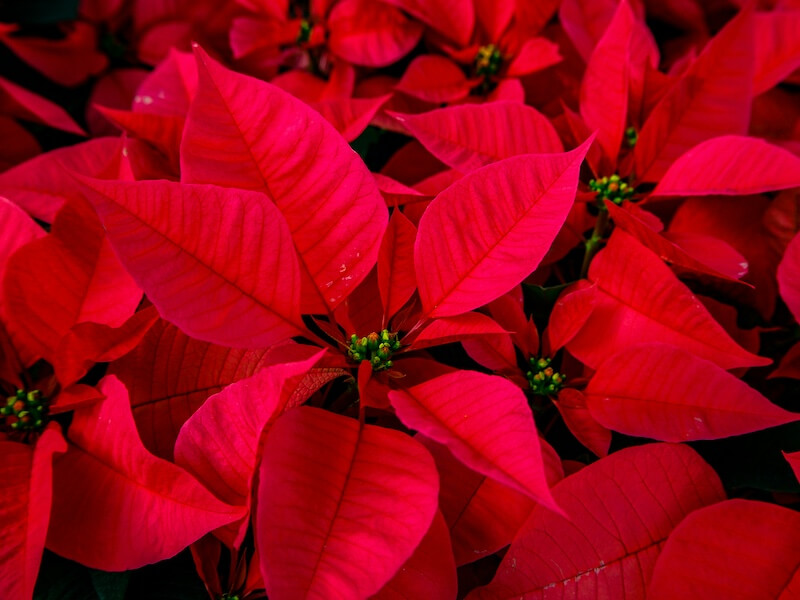
Poinsettia is one of the most recognisable indoor plants of the festive season, adored for its bright red and colourful bracts that surround clusters of tiny yellow flowers. These bracts, which many mistake for petals, are actually modified leaves that change colour in response to light levels.
In its native environment, Euphorbia pulcherrima grows as a small shrub, thriving in warm conditions between 15°C and 24°C (59°F–75°F). When grown indoors as a house plant, it prefers similar warmth and consistency. Poinsettias are tropical by nature, so they don’t like draughts, cold windowsills, or being placed near a radiator. Keeping your plant away from sudden temperature changes will help it retain its colourful bracts for months after the festive season ends.
What Should You Do with Poinsettias After Christmas?
Once Christmas passes, many people wonder what to do with their poinsettias. The good news is, you can keep your plant alive and thriving well into spring and beyond. After the festive season, move your plant to a bright window with plenty of light during the day, but avoid direct sun, which can scorch the leaves.
Reduce watering slightly as the plant slows its growth, but don’t let it dry out completely. Check the soil regularly – water when the top inch feels dry to the touch. If you want your poinsettia to continue to grow, remove any faded bracts in late winter and trim back the stems to around 10cm. This helps new growth emerge in spring and keeps the plant neat and compact.
How Often Should You Water Your Poinsettia?
Watering is one of the most important parts of monthly Poinsettia care. Poinsettias like evenly moist soil but will quickly suffer if overwatered. Always water your poinsettia thoroughly, allowing any excess water to drain away. Never leave the pot sitting in a saucer of water, as soggy roots can lead to rot.
Check your poinsettia every few days – if the top inch of soil feels dry to the touch, it’s time to water. Use lukewarm water and aim to keep the soil just moist during the growing season. In winter, reduce watering a little, but don’t let the plant dry out completely. Proper watering will help keep the colourful bracts vibrant for longer.
How to Provide Bright Light Without Burning the Plant
Poinsettias are tropical plants that love light but dislike harsh direct sunlight. The best spot is a sunny window that gets bright, indirect light. A sunny window with filtered afternoon sun is ideal.
Avoid placing the plant near cold draughts or on top of a radiator – both extremes cause leaf drop. Poinsettias grow best with about 12 hours of bright light a day. During shorter winter days, you can supplement with artificial light if needed. With enough brightness, the foliage will stay lush, and the colourful bracts will hold their colour well into spring.
How to Prune and Repot a Poinsettia
Pruning helps your poinsettia maintain its shape and encourages new growth. Around March or April, once the bracts have faded, prune the plant back to about 10cm to stimulate new shoots. Wear gloves while pruning – poinsettias release a milky sap that can irritate the skin.
As new growth appears, it’s a good time to repot the plant into a slightly larger pot using a fresh, well-draining potting mix. This gives the roots space to expand and helps keep the plant healthy. Choose a pot with good drainage holes and avoid compacting the soil. Repotting also improves the appearance of your poinsettia, setting it up for a strong growing season.
What Monthly Care Routine Will Keep Your Poinsettia Happy?
A consistent monthly care routine is the key to keeping your Christmas poinsettia alive all year. After pruning in early spring, provide routine care, including regular watering, bright light, and feeding every few weeks.
Start fertilising once new growth appears using a balanced houseplant fertiliser diluted to half strength. Feed every two to three weeks during spring and summer to encourage strong stems and fresh foliage. Water your poinsettia as needed, keeping the potting mix moist but never saturated. This gentle routine will help keep your poinsettia healthy, green, and ready to rebloom later in the year.
Can You Move Your Poinsettia Outside in the Summer?
Yes, once it gets warm outside—above 13°C (55°F)—you can move your poinsettia outdoors for the summer. Choose a sheltered, shaded area to prevent scorching from direct sun. Gradually acclimatise your plant to outdoor conditions over a few days to avoid shock.
During summer and fall, continue watering it regularly and feeding it every two weeks. This outdoor period allows the plant to grow larger and develop stronger stems. Before the temperatures drop in autumn, bring the plant back indoors and place it in a bright window to prepare for reblooming.
How to Encourage Your Poinsettia to Rebloom
If you want your poinsettia to bloom again for Christmas, it needs a special light-dark cycle. Starting around the beginning of October, provide your plant with 14 hours of uninterrupted darkness each night. You can move it to a dark room, cover the plant with a box, or place it in a dark location each evening.
During the day, return it to a bright window with full sun for at least 10–12 hours. This routine should continue for about eight to ten weeks. By late November, colourful bracts will start to form again, and your plant will be ready to bloom for Christmas. Keep it going with consistent watering and gentle feeding until the flowers fully develop.
What to Do If Your Poinsettia Loses Its Leaves
If your poinsettia has lost a lot of leaves, don’t panic – this is often a natural response to a change in environment. When you first bring the plant home from a greenhouse at a garden centre, it may shed some leaves as it adjusts to your home’s light and temperature.
Trim back any damaged stems and reduce watering slightly. Keep the plant in a warm room with bright light and away from draughts. With patience, new growth should appear in a few weeks. As the plant recovers, increase watering slightly and resume feeding. With the proper care, the plant will bounce back and produce new foliage.
How to Handle Pests and Sap Safely
While poinsettias are generally easy to care for, they can sometimes attract pests such as whiteflies or aphids. Regularly check the undersides of leaves and remove pests with a gentle wipe or a mild insecticidal soap spray. Healthy plants grown in bright light are less likely to suffer from pest problems.
When pruning or handling your poinsettia, remember that the sap can cause mild skin irritation. Always wear gloves if you have sensitive skin. Avoid contact with your eyes or mouth, and wash your hands after handling. These small precautions will help keep both you and your poinsettia in excellent condition.
How to Keep Your Poinsettia Looking Colourful All Year
To help keep your poinsettia vibrant throughout the year, continue regular care, paying close attention to light, water, and feeding. Poinsettias need plenty of bright light, moderate water, and monthly feeding during their growing period.
As summer progresses, your poinsettia may grow taller and produce more foliage. You can pinch out the tips of stems to encourage bushier growth. This will help your poinsettia start forming new shoots, leading to more bracts when it blooms again. A well-cared-for plant will stay colourful and healthy through every season, rewarding your effort with another round of beautiful red bracts.
Key Points to Remember
- Poinsettias are tropical plants – keep them warm, ideally between 15°C and 24°C (59°F–75°F)
- Water when the top inch feels dry, and let excess water drain away
- Avoid radiators and draughts, which can cause leaf drop
- Prune in spring to encourage new growth and shape the plant
- Repot annually with a fresh potting mix for healthy roots
- Feed monthly from spring to autumn with a balanced houseplant fertiliser
- Move outside in summer once it’s above 13°C (55°F), then bring it back indoors before frost
- Encourage reblooming by giving 14 hours of darkness nightly from October onwards
- Wear gloves when pruning, as the sap can irritate
- Provide bright light and gentle care to enjoy colourful bracts year after year
- Consistent Poinsettia care — warm rooms, bright light and gentle watering — keeps your plant healthy and colourful long after Christmas
If you’ve ever wondered how to keep your poinsettia going strong after Christmas, the secret lies in understanding its tropical nature. It’s not just a festive decoration — it’s a living plant that rewards steady, gentle care. With the right balance of light, warmth, and regular watering, it will stay beautiful well into spring. And if you’re up for a challenge, try bringing it back into bloom next year — it’s one of the most satisfying things you can do as a gardener.
Would you like to learn about Houseplant varieties? Read about Princettia here.
For more information on Houseplants, please click here.
Frequently Asked Questions
Q: What is a poinsettia, and why is it such a popular Christmas houseplant?
A: The poinsettia (Euphorbia pulcherrima) is a tropical houseplant native to Mexico, prized for its colourful bracts and bright red festive display. These bracts, often mistaken for petals, surround small yellow flowers at the plant’s centre. Poinsettias are usually associated with the festive season because they bloom naturally in winter, adding warmth and cheer to homes. As indoor plants, they’re easy to care for when given the right light and temperature. With routine care, you can keep your poinsettia looking vibrant well beyond Christmas and even rebloom it for the following year.
Q: How do I keep my Christmas poinsettia alive after the festive season?
A: To keep your poinsettia looking good after Christmas, place your poinsettia in a bright light position away from draughts and direct sun. Keep the potting mix lightly moist, watering when the top inch feels dry to the touch. Avoid letting excess water sit in the pot or saucer, as this can cause root rot. Maintain a temperature around 55°F (13°C) and keep the plant away from radiators or cold windows. Feed monthly with a balanced plant food during the growing season to encourage new growth. With steady care, your Christmas poinsettia can continue to thrive long after the festive season ends.
Q: What should I do with my poinsettia after Christmas to help it rebloom?
A: Poinsettias need a little extra attention to rebloom for next Christmas. From spring, prune the plant back by half and continue to grow it in bright light, watering regularly and feeding every month. Move it outside in the summer when it gets warm outside, keeping it in light shade. In early autumn, bring it indoors and give it 14 hours of uninterrupted darkness each night from the beginning of October until mid-November. Move it to a dark room or cover the plant in a box each evening to trigger the colourful bracts to form.
Q: How often should I water my poinsettia plant?
A: Water your poinsettia when the top inch of the potting mix feels dry to the touch. Use lukewarm water, then let it drain fully to avoid soggy roots. Poinsettias like evenly moist but well-drained soil, so never leave the pot standing in excess water. Overwatering is one of the most common causes of problems, so always check before you water it thoroughly. During winter, reduce watering slightly when growth slows, then resume regular watering as new growth appears in spring. This will help keep your poinsettia healthy and prevent leaf drop.
Q: Can I repot or prune my poinsettia to keep it healthy?
A: Yes, pruning and repotting are important parts of poinsettia care. In spring, once the colourful bracts have faded, prune the plant back to around 10cm to encourage strong new growth. Repot into a slightly larger pot using a fresh peat-free potting mix with good drainage. As the poinsettia starts growing again, move it to a bright light position and water regularly. Begin feeding with a balanced plant food every two weeks. This helps the plant grow larger and fuller in time for next Christmas, keeping it in top condition.
Q: What light and temperature conditions does a poinsettia need?
A: Place your poinsettia near a sunny window where it gets plenty of bright light during the day, but avoid harsh afternoon sun, which can scorch the bracts. Poinsettias are tropical, so they prefer consistent warmth — around 18–20°C (65–68°F) during the day and no colder than 13°C (55°F) at night. Keep the plant away from cold draughts, radiators, and fluctuating temperatures. Stable conditions help keep the plant healthy and prevent leaf drop. A bright, warm location will also help your poinsettia last longer and stay colourful through the winter months.
Q: How can I help keep my poinsettia colourful for longer?
A: To help keep your poinsettia colourful, ensure it has the right balance of light, temperature, and moisture. Place your poinsettia in bright light but out of direct sun. Keep the soil evenly moist —not soggy —and feed monthly with a liquid fertiliser to maintain strong growth. Avoid cold draughts and keep the plant away from heating sources, as both can shorten the lifespan of the colourful bracts. With consistent care, your poinsettia will maintain its beautiful red bracts for several weeks, extending the festive colour in your home.
Q: Can I grow poinsettias outside in the UK?
A: Poinsettias are tropical and should always be treated as indoor plants in the UK. They don’t tolerate frost or cold temperatures. However, you can move them outside in the summer and fall when it gets warm outside — ideally above 13°C (55°F). Place them in partial shade to avoid scorching, and bring them back indoors before night temperatures drop. With this approach, the plant will continue to grow and strengthen during the warmer months before you begin preparing it to bloom again in autumn.
Q: Are poinsettias harmful to people or pets?
A: Poinsettias contain a white sap that can cause mild skin irritation or stomach upset if ingested. The sap can cause discomfort but is rarely dangerous. Always wear gloves when pruning or repotting, and keep poinsettias out of reach of pets and children. While the plant is not deadly, it’s best handled carefully. Once positioned safely as a decorative houseplant, there’s little cause for concern — you can enjoy your poinsettia’s colourful bracts without worry.
Q: What pests or problems should I watch for on my poinsettia?
A: Common pests affecting poinsettias include whitefly, aphids, and spider mites. Check the foliage regularly for signs of pests, especially on the undersides of leaves. If you notice any, wipe them away with a damp cloth or use an eco-friendly pest control spray. Yellowing leaves or drooping bracts often indicate overwatering or sudden temperature changes. Keep the plant in stable conditions and maintain routine care to prevent problems. Healthy poinsettias with good airflow and proper watering are far less likely to suffer from pest problems.
Q: Where can I buy poinsettia plants in the UK?
A: Poinsettias are widely available at UK garden centres, supermarkets, and online retailers during the festive season. Many are grown in greenhouses at a garden centre, ensuring top quality and good colour. When buying, choose a poinsettia with firm stems, vibrant bracts, and no signs of leaf drop. Avoid plants displayed near draughty doors or cold spots. Whether you purchase locally or online, a well-chosen poinsettia plant will bring lasting festive colour and brighten your home throughout winter.