

Position
- Optimal for vibrant flowering in full sun, though it tolerates light shade
- Best situated where it receives protection from strong, gusty winds
- A commanding choice for borders, large containers, or as a striking focal point
Hardiness
- Tolerates winter temperatures down to –20 °C (–4 °F)
- In particularly exposed UK gardens, a light autumn application of mulch can safeguard young bulbs
Soil
- Prefers fertile, free-draining soil; loams and sandy loams are most suitable
- Improve less-than-ideal soils, particularly heavy ones, by incorporating garden compost or coarse grit to improve drainage
- Highly adaptable across the pH spectrum, thriving in acid, neutral, or alkaline soils
- Performs well when organic matter helps sustain both good soil structure and balanced moisture levels, preventing saturation
- Grab a soil test kit and ensure the perfect conditions for growth
Height
- Established clumps typically produce robust stems reaching 45–55 cm (18–22 in) in height each spring
Seasons of Interest
Additional Notes
- Plant bulbs in autumn, ensuring a depth of 12 cm and spacing of 10 cm, for a significant visual impact
- Allow foliage to completely yellow and wither before cutting back; this essential process enables bulbs to store vital energy for the subsequent year
- Divide and reposition overcrowded clumps every 3–4 years, once the leaves have entirely died down, to maintain vigorous flowering
- Deadhead spent blooms to preserve plant tidiness and channel the plant’s energy towards bulb development
- All parts of the plant contain mild toxins; handle bulbs with gloves and keep them out of reach of children and pets
- Highly suitable for naturalising within grassy areas; where possible, carefully lift and replace turf after flowering to minimise bulb disturbance
Narcissus Fortissimo - A Bright Addition to Every Spring Garden
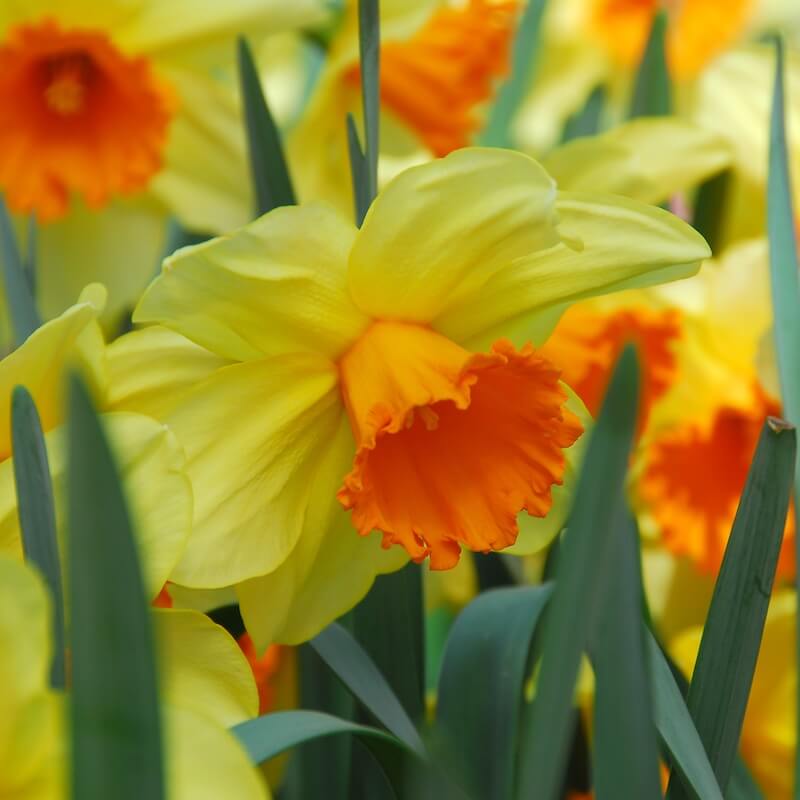
Few flowers announce spring with the same confidence as the Narcissus Fortissimo. This large-cupped daffodil combines striking colour, impressive size, and lasting performance to create one of the most joyful sights in any spring garden. With brilliant yellow petals surrounding a bold reddish-orange cup, these stunning flowers capture the very spirit of renewal. Whether planted in borders, beds, or drifts across the lawn, Fortissimo daffodils bring a brilliant burst of energy after winter’s rest.
What Makes the Narcissus Fortissimo So Special?
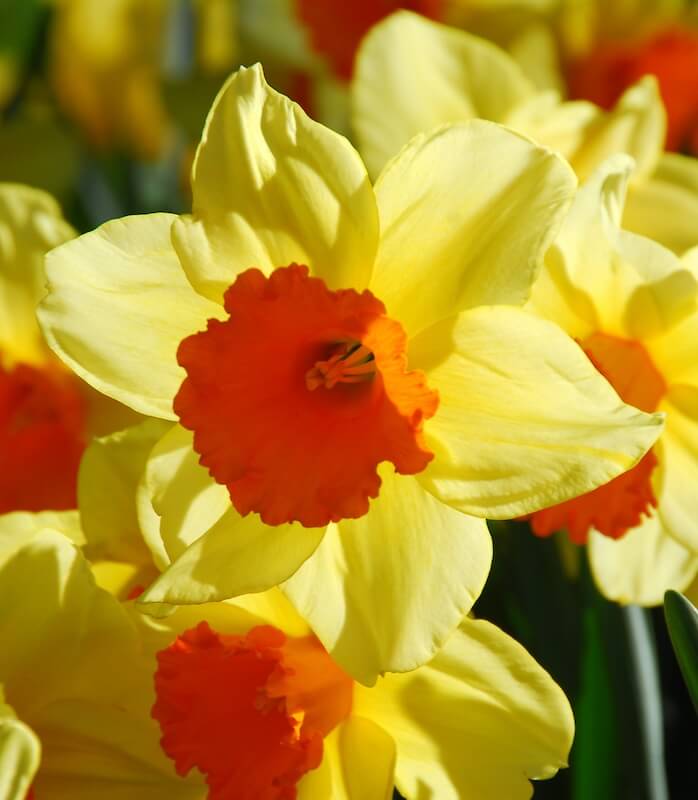
Narcissus Fortissimo stands out among daffodil varieties for its large, radiant flowers and strong contrast. Each bloom measures up to 12 centimetres across, displaying broad yellow petals and a deep reddish-orange cup. This combination of size and colour gives the flower a remarkable presence in any garden.
This large-cupped daffodil belongs to Division 2, known for its flared coronas and broad perianth segments. The flowers appear in mid-spring, brightening borders and beds just as the season hits its stride. With strong stems reaching 45 to 50 centimetres tall, they’re sturdy against wind and rain — an excellent trait for unpredictable spring weather.
The cheerful blooms are also long-lasting, often remaining fresh for weeks. They make an excellent cut flower, bringing their sunny disposition indoors. It’s easy to see why many gardeners consider Narcissus Fortissimo perhaps the most popular large flowering daffodil available.

How to Plant Daffodil Bulbs for the Best Results
Getting daffodil bulbs off to a strong start begins with correct planting. Fortissimo grows best in well-drained soils in full sun, although part shade is also suitable. The bulbs prefer moist conditions during the growing season, but they dislike soggy ground.
Plant bulbs 10–15cm deep, allowing around 10cm spacing between each one. The general rule is to plant bulbs at a depth of about three times their height. If you’re growing in a pot, ensure it has good drainage holes and use a mix that remains moist but never waterlogged.
Autumn is the perfect time to plant, ideally from September to November, before the first frosts arrive. This allows the bulbs to establish roots before winter. A generous clump of at least six bulbs ensures a bold display when spring arrives.
What Kind of Soil Does Narcissus Fortissimo Prefer?
Fortissimo performs best in fertile, well-drained soil with medium moisture. A slightly acidic to neutral pH suits it well. Before planting, improve heavy clay with compost or grit to enhance drainage.
Daffodils dislike sitting in overly wet soil during dormancy, so raised beds or free-draining slopes work beautifully. A mulch of organic matter applied in autumn keeps the soil moist during the growing season and protects the bulbs from temperature swings.
Whether planted in a lawn drift, border, or pot, avoid compacted ground at all costs. Healthy bulbs need space for their roots to breathe. A loose, crumbly texture encourages strong root growth and healthy foliage year after year.
How Tall Do Fortissimo Daffodils Grow?
Expect each Fortissimo daffodil to reach about 45–50 centimetres tall, with some vigorous clumps reaching 18–20 inches. The sturdy stems support their large cupped blooms with ease.
The height makes them ideal for the middle or back of a border, where their bright flowers rise above shorter spring companions such as crocuses, violas, or primroses. When planted in a drift across the lawn, they create a natural wave of colour that catches the light beautifully.
Their tall habit also makes them ideal for cut flowers. When harvested, the blooms last well in a vase — another reason gardeners love to grow this variety.
When Do Narcissus Fortissimo Daffodils Bloom?
These daffodils typically bloom in mid-spring, offering a seamless transition between early varieties and late-season tulips. Each large flower lasts around two to three weeks, depending on temperature and rainfall.
Their vibrant display coincides with the awakening of the spring garden. The brilliant yellow petals and reddish-orange cup glow even on cloudy days, ensuring your borders stay bright as the season warms.
Because they’re perennial, Fortissimo bulbs return year after year, increasing in number as they naturalise. Over time, a single planting can develop into a dense clump of long-lasting spring flowers that fill the garden with colour.
How to Care for Daffodil Bulbs After Flowering
Once the blooms fade, resist the urge to cut back too early. Allow the leaves to die back naturally, as they help replenish the bulb’s energy for next season’s flowers. It’s best to wait until the foliage turns yellow before removing it.
If you’re growing Fortissimo in pots, continue watering lightly until the leaves die back. Then allow the compost to dry out before storing the bulbs in a cool, dry place. In the garden, you can leave them undisturbed to naturalise.
After a few years, if the clumps become crowded, lift and divide the bulbs in summer once the foliage has died back. Replant them at their original depth and spacing for another cycle of stunning flowers.
Can You Grow Fortissimo Daffodils in Pots?
Absolutely! Fortissimo performs beautifully in pots, containers, and planters. Choose a pot at least 30 centimetres wide and 25 centimetres deep to accommodate the large bulbs.
Use a mix of loam-based compost and sharp sand or grit for good drainage. Plant the bulbs with their pointed tips facing upward, around 10–15cm deep. Ensure they have space between them for root growth — avoid crowding.
Place the pot in full sun and keep the soil moist during the growing season. As the flowers fade, continue watering until the foliage naturally dies back. You can then either move the pot to a sheltered spot or lift the bulbs for replanting in autumn.
What Makes Fortissimo Such an Excellent Naturaliser?
Fortissimo is an excellent naturaliser, spreading and returning year after year with little maintenance. Once established, it forms large clumps that produce even more blooms every spring.
This trait makes it ideal for planting under trees, along pathways, or in meadow-style gardens. It thrives in both formal and informal settings, blending seamlessly with other spring flowers.
When allowed to naturalise, Fortissimo creates a carpet of vibrant colour that looks both generous and effortless. The bulbs multiply underground, rewarding you with more stunning flowers without replanting.
Why Choose Large-Cupped Daffodil Bulbs Narcissus Fortissimo for Your Garden?
There are many daffodils to choose from, but Fortissimo stands out for its qualities. Its combination of size, colour, and durability ensures a standout spring display every year.
The large cupped daffodil blooms feature brilliant yellow petals surrounding a bold reddish-orange cup. Together, they bring vibrancy and warmth to the garden. Each flower sits on a tall, strong stem, making it resistant to wind and rain.
You can buy large cupped daffodil bulbs from reputable nurseries or online suppliers. Always choose firm, healthy bulbs for the best results. The larger the bulb size, the more likely it is to produce remarkable blooms in its first season.
How to Protect Daffodils from Pests and Problems
One of the best things about Fortissimo is that it’s rarely troubled by pests. Daffodils are unappealing to rabbits and deer so that you can plant them freely without worry.
However, proper care ensures they stay strong. Always plant in well-drained soil to prevent bulb rot. Avoid overwatering in summer when the bulbs are dormant. Wearing gloves when handling bulbs helps prevent mild skin irritation caused by sap.
If your daffodils stop flowering after a few years, overcrowding is often to blame. Lifting and dividing the bulbs restores vigour and encourages fresh blooms. With proper maintenance, they’ll continue to reward you with their stunning display year after year.
How to Design a Garden with Narcissus Fortissimo
Fortissimo daffodils shine in many settings — from cottage gardens to formal borders. Their tall, bright flowers combine beautifully with other spring favourites like hyacinths, tulips, and forget-me-nots.
In mixed borders, they pair well with perennials that emerge later in the season, such as hostas and daylilies. These plants hide the fading foliage as the daffodils die back, keeping the display attractive.
For a dramatic effect, plant Fortissimo in generous drifts. The sight of hundreds of brilliant yellow blooms rippling across a lawn or meadow is unforgettable. Whether you choose neat rows or a naturalised scatter, they bring brightness and life to every corner of the spring garden.
From Darren’s Patch
There’s something truly uplifting about seeing Narcissus Fortissimo burst into flower after months of grey skies. In my own garden, they’re one of the first real signs that spring has properly arrived — bold, bright, and completely unapologetic. I like to plant them in generous drifts through the lawn and around the borders, where they catch the morning sun and seem to glow from within. Their sturdy stems withstand our unpredictable British weather, and they never fail to make me smile, even on damp April days. If you’re looking for a daffodil that delivers real impact year after year with minimal fuss, Fortissimo is the one I always recommend — it’s dependable, full of life, and absolutely radiant in any setting.

Key Points to Remember
- Planting time: Plant bulbs in autumn, 10–15cm deep with about 10cm spacing
- Site: Choose well-drained soil in full sun or part shade
- Moisture: Keep soil moist during the growing season, but avoid waterlogging
- Aftercare: Let foliage die back naturally before cutting
- Height: Grows 45–50cm tall, perfect for borders or pots
- Bloom time: Mid-spring with long-lasting, fragrant flowers
- Colour: Brilliant yellow petals with a reddish-orange cup
- Naturalising: Excellent naturaliser that returns year after year
- Pests: Resistant to rabbits and deer
- Uses: Ideal for borders, beds, pots, and as a cut flower
If you’re looking to brighten your spring garden with large, brilliant yellow petals and a vibrant reddish-orange cup, Narcissus Fortissimo is an excellent choice. Easy to plant, reliable to return, and stunning in any border or pot, this daffodil is a must-have for gardeners who appreciate colour, fragrance and longevity. Plant your bulbs this autumn and enjoy a cheerful, long-lasting display that will reward you year after year.
Would you like to learn about other bulb varieties? Read about Narcissus Manly here.
For more information on Spring Flowering Bulbs for your garden, please click here.
Frequently Asked Questions
Q: What is Narcissus Fortissimo?
A: Narcissus Fortissimo is a large-cupped daffodil that produces stunning flowers with brilliant yellow petals and a vibrant reddish-orange cup. Known for its strong stems and tall height of around 45–50cm (18–20in), this daffodil is both elegant and robust. It adds a burst of colour to any spring garden and looks especially striking in borders, pots, or naturalised drifts. Fortissimo blooms in mid-spring, creating a cheerful display that brightens the garden after winter’s chill. It’s perhaps the most popular of the large-cupped daffodils for its remarkable blooms and long-lasting performance.
Q: How should I plant Narcissus Fortissimo daffodil bulbs?
A: Plant Narcissus Fortissimo bulbs in autumn, ideally between September and November, before the first frost. Choose a sunny or part-shade spot with well-drained soil for best results. Dig holes deep enough to plant bulbs 10–15cm (4–6in) below the surface, with a spacing of at least 10cm between bulbs. For a bold display, plant at least six bulbs in a group or drift. Mixing them with other spring flowers enhances the effect—water well after planting to help roots establish before winter.
Q: What type of soil does the Narcissus Fortissimo daffodil prefer?
A: This daffodil thrives in fertile, well-drained soils in full sun but also tolerates part shade. It prefers soil that remains moist during the growing season but never waterlogged. If you have heavy clay, improve drainage by mixing in grit or organic matter. The bulbs appreciate a soil with medium moisture that doesn’t dry out completely. A good soil structure supports healthy foliage and strong flower stems, ensuring your Fortissimo plants return year after year with consistent, bright blooms.
Q: How should I feed Narcissus Fortissimo bulbs for the best growth?
A: Feed Narcissus Fortissimo daffodil bulbs in early spring as the shoots begin to appear. Use a balanced slow-release bulb feed or a light sprinkling of blood, fish and bone. Feeding helps encourage large flowering and improves next year’s blooms. Avoid high-nitrogen feeds, as they promote leafy growth rather than flowers. After flowering, feed the bulbs again lightly to help them store energy. Always water after feeding to ensure nutrients reach the roots. This feeding routine helps the bulbs remain an excellent naturaliser, returning in clumps year after year.
Q: When does Narcissus Fortissimo bloom?
A: Narcissus Fortissimo blooms in mid-spring, usually from April into early May, depending on local temperatures. The flowers last for several weeks, especially in cool weather around 10–15°C (50–59°F). Each large-cupped daffodil produces a single, impressive bloom with a corona that can reach up to 5in across. The bright yellow petals and frilled reddish-orange cup are striking even from a distance, making them perfect for garden borders, beds, or as cut flowers for the home. Their long-lasting, fragrant display makes them a highlight of the spring season.
Q: Can Narcissus Fortissimo be grown in pots?
A: Yes, Narcissus Fortissimo daffodil bulbs grow beautifully in pots and containers. Choose a deep pot with good drainage and fill it with a quality bulb compost. Plant the bulbs 10–15cm deep, leaving around 5cm (2in) of space between them. Keep the compost moist during the growing season but never soggy. Once the foliage starts to die back, reduce watering naturally. Container-grown Fortissimo daffodils are perfect for patios, balconies, or brightening up your garden entrance with a splash of colour each spring.
Q: How do I care for Narcissus Fortissimo after flowering?
A: Once flowering ends, remove the faded blooms to stop the plant from putting energy into seed formation. Allow the green foliage to die back naturally, which usually takes about six weeks. The leaves feed the bulb for next year’s growth, so avoid cutting them early. You can also apply a light feed during this time. When the foliage has died back entirely, the bulbs can rest until the next growing season. With the proper care, Narcissus Fortissimo will continue to produce stunning flowers year after year.
Q: Is Narcissus Fortissimo suitable for naturalising?
A: Absolutely. Narcissus Fortissimo is an excellent naturaliser that thrives in grass or lightly shaded borders. Once established, the bulbs multiply naturally, creating larger clumps of bright yellow blooms each spring. To encourage naturalising, plant the bulbs in groups and allow the foliage to die back undisturbed. Over time, your garden will develop a vibrant, natural-looking display of Fortissimo daffodils that bloom reliably each year, even in cooler UK gardens.
Q: Are Narcissus Fortissimo daffodils resistant to pests and animals?
A: Narcissus Fortissimo daffodils are naturally resistant to most garden pests. Their bulbs and foliage contain alkaloids that deter rabbits and deer, making them an ideal choice for countryside gardens. However, keep an eye out for bulb fly and slugs during the growing season. To minimise damage, check the soil around your bulbs occasionally and ensure it stays well-drained. The robust nature of Narcissus Fortissimo means it requires minimal intervention, leaving you free to enjoy its long-lasting, fragrant flowers.
Q: Where can I buy Narcissus Fortissimo daffodil bulbs?
A: You can buy large-cupped daffodil bulbs, Narcissus Fortissimo, from reputable garden centres, DIY stores and online bulb suppliers. They’re usually available from late summer through autumn, the perfect time to plant them for spring flowering. When buying, look for firm, healthy bulbs free from soft spots. Many suppliers offer Fortissimo in packs of varying quantities, ideal for borders, pots, or naturalising. Ordering early ensures the best selection and quality.