

20 Beautiful Flowers Every Garden Should Have
The 20 flowers I recommend most for UK gardens
A beautiful garden isn’t just about neat lawns or tidy borders—it’s about plants that bring colour, scent, and life through the seasons. In the UK, our temperate climate allows gardeners to grow an incredible range of flowering plants, from spring bulbs that burst into life after winter to late-summer perennials that keep borders glowing well into autumn. The best flowers also support pollinators such as bees and butterflies, thrive in typical British soils, and cope well with our often unpredictable weather. Whether you garden in full sun, partial shade, heavy clay, or lighter soil, there are dependable plants that will flourish. The flowers in this list are classics for a reason: they are beautiful, relatively easy to grow, and well-suited to UK gardens. From cottage-garden favourites to architectural showstoppers, these twenty plants can transform borders, containers, and beds into something truly special. Please carry on reading below to see the 20 beautiful flowers every garden should have.
Roses – A Timeless Flower for Colour and Fragrance
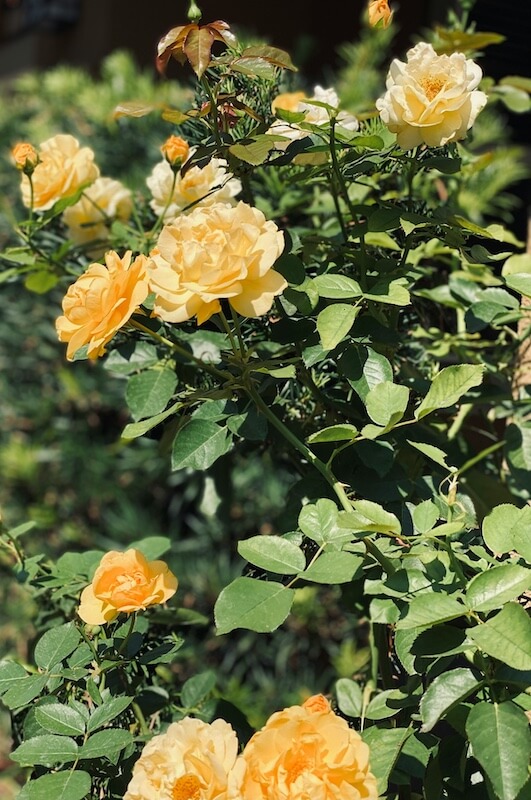
Roses are often called the undisputed queen of the garden, and it’s easy to see why. Their elegant blooms, rich fragrance, and wide range of colours bring romance and structure to almost any planting scheme. In UK gardens, they perform best in a sunny position with fertile, well-drained soil enriched with organic matter. Most modern roses are hardy throughout Britain and cope well with our temperate climate, though they appreciate good air circulation to reduce disease problems.
Plant roses in autumn or early spring, ensuring the graft union sits just below soil level. Regular watering during dry spells helps young plants establish, while an annual mulch of compost or well-rotted manure keeps them vigorous. Deadheading repeat-flowering varieties encourages more blooms, and pruning in late winter according to RHS guidelines helps maintain shape and health.
They are also excellent for wildlife. Single-flowered varieties provide pollen for bees, while hips feed birds in autumn. Companion planting with lavender, catmint, or salvias creates attractive combinations and may help deter pests.
For beginners, reliable varieties include David Austin English roses such as ‘Gertrude Jekyll’, ‘Roald Dahl’, and ‘Olivia Rose Austin’, which combine classic fragrance with repeat flowering and good disease resistance.
Lavender – A Fragrant Favourite for Sunny Borders
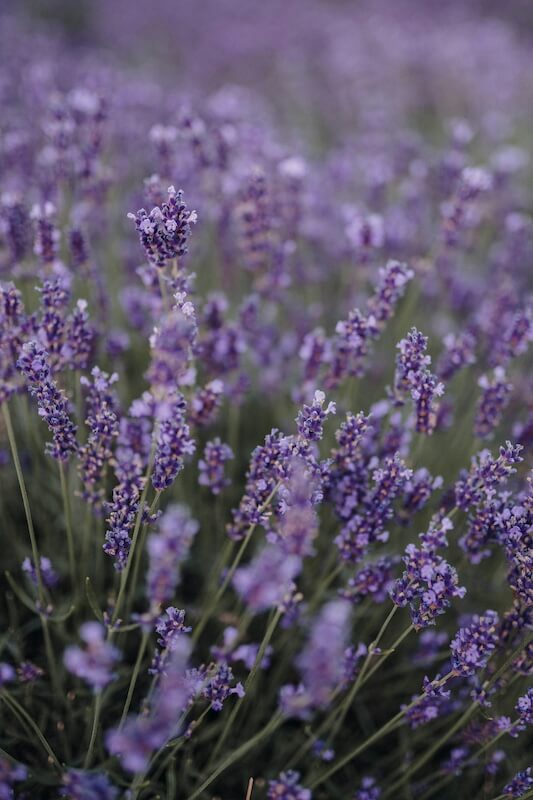
Lavender is one of the most recognisable and beloved plants in British gardens. Its silvery foliage and purple flower spikes create a calming Mediterranean feel, while the fragrance released on warm days makes it a sensory delight. Lavender thrives in sunny, well-drained soil and is particularly suited to gravel gardens, dry borders, and pathways where its scent can be enjoyed up close.
In the UK, English lavender (Lavandula angustifolia) is the most reliable species because it tolerates colder winters better than many Mediterranean types. Plant lavender in full sun and avoid heavy, waterlogged soil, which can cause roots to rot. If your garden has clay soil, improve drainage by adding grit or planting lavender in raised beds.
It needs little feeding but benefits from light pruning after flowering. Trim back spent flower stems and gently shape the plant, avoiding cutting into old woody growth. This keeps plants compact and encourages fresh shoots.
Lavender flowers are magnets for bees and other pollinators, making them a wonderful addition to wildlife gardens. Popular beginner varieties include ‘Hidcote’, ‘Munstead’, and ‘Little Lottie’, all known for their hardiness and strong fragrance.
Daffodils – Cheerful Spring Bulbs That Brighten Every Garden
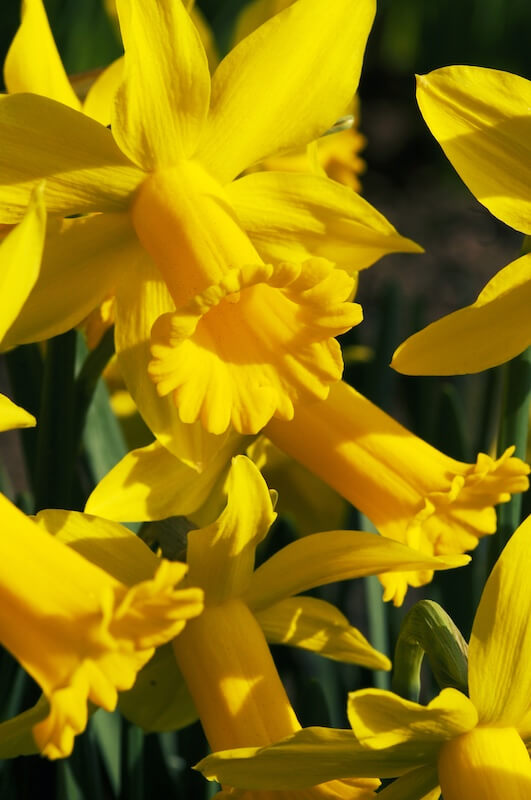
Few sights signal the arrival of spring in the UK quite like daffodils. Their cheerful yellow, white, or bicoloured blooms brighten gardens, parks, and countryside verges after the dull months of winter. These hardy bulbs are perfectly suited to British conditions and naturalise easily, returning year after year with little effort.
Daffodils grow best in full sun or partial shade in well-drained soil. Plant bulbs in autumn at roughly three times their depth, spacing them generously so clumps can expand naturally. They are ideal for borders, containers, woodland gardens, or even naturalising in lawns where they create spectacular spring displays.
After flowering, allow the foliage to die back naturally before cutting it away. This process lets the bulb store energy for the following year’s blooms. Feeding with a balanced fertiliser in early spring can also help maintain healthy plants.
Daffodils are valuable for wildlife gardens because they flower early, providing colour when little else is blooming. They are also resistant to deer and rodents due to their toxic bulbs.
Reliable varieties include ‘Mount Hood’, ‘Tête-à-Tête’, and ‘Ice Follies’, which are widely available and dependable performers in UK gardens.
Hellebores – Early Flowers for Late Winter and Spring
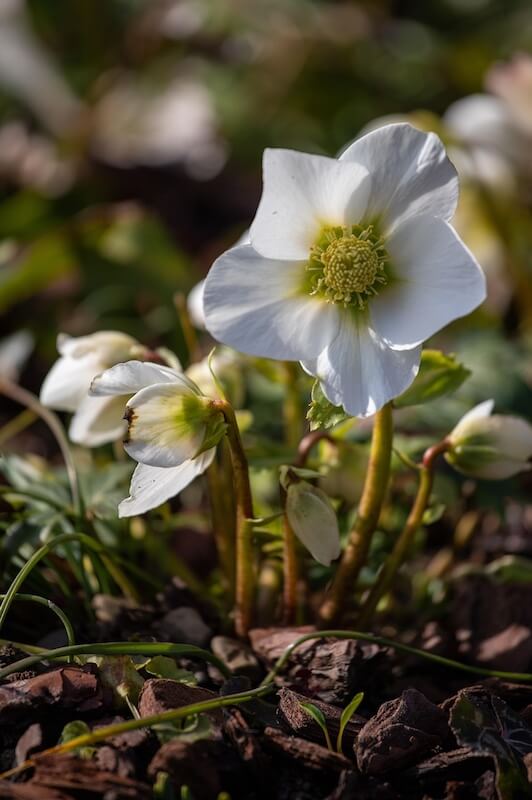
Hellebores are among the most valuable plants for UK gardens because they bloom during late winter and early spring, a time when colour is often scarce. Their elegant, nodding flowers appear above leathery evergreen foliage, bringing subtle beauty to shady borders and woodland gardens.
They thrive in partial or full shade and prefer fertile, moisture-retentive soil enriched with compost or leaf mould. They are fully hardy in the UK and tolerate cold winters remarkably well. Because they flower so early, they are often planted near paths or doorways where their blooms can be appreciated in the darker months.
Plant hellebores in autumn or spring and water them well until established. Removing old foliage in late winter helps show off the emerging flowers and reduces the risk of disease. Once settled, they require very little maintenance.
These plants are also valuable for early pollinators. Bees often visit hellebore flowers on mild winter days when few other nectar sources are available.
For beginners, Helleborus orientalis hybrids are excellent choices. Varieties such as ‘Anna’s Red’, ‘Double Ellen Pink’, and ‘Winter Moonbeam’ offer beautiful colours and strong garden performance.
Alliums – Architectural Flowers for Modern and Cottage Gardens
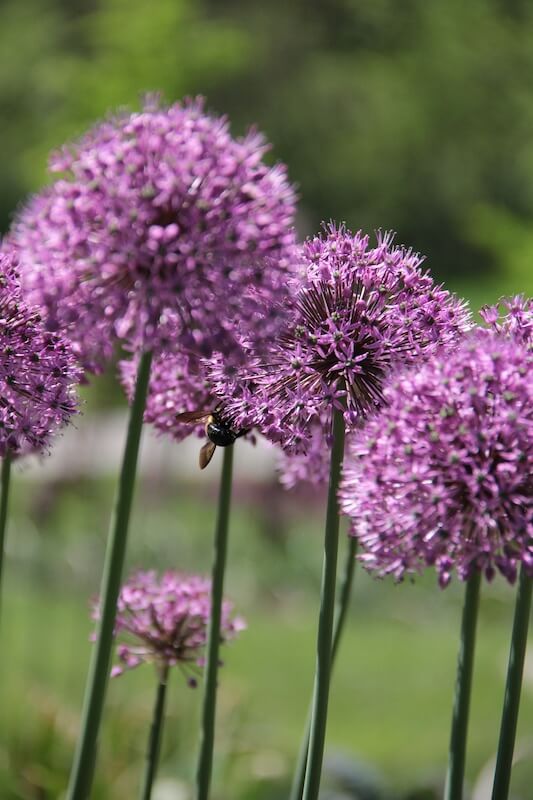
Alliums bring dramatic structure to garden borders with their tall stems and globe-shaped flower heads. These ornamental onions produce striking spheres of purple, lilac, or white flowers that hover above surrounding plants like architectural sculptures.
In UK gardens, alliums thrive in full sun and well-drained soil. They are typically planted as bulbs in autumn, much like daffodils and tulips. Because their foliage dies back early, gardeners often combine them with perennials such as geraniums or nepeta, which hide the fading leaves while allowing the tall flower stems to shine.
Alliums are extremely hardy and require minimal care. Once planted, they often naturalise gradually and return each spring with little attention. Avoid waterlogged soils, as this can cause bulbs to rot.
Their nectar-rich flowers are highly attractive to bees and other pollinators, making them valuable plants for wildlife gardens. The dried seed heads also provide architectural interest long after the flowers fade.
Popular varieties include the towering Allium giganteum, the deep purple ‘Purple Sensation’, and the elegant ‘Globemaster’. All are easy to grow and add drama and height to mixed borders.
Foxgloves – Tall Cottage Garden Classics
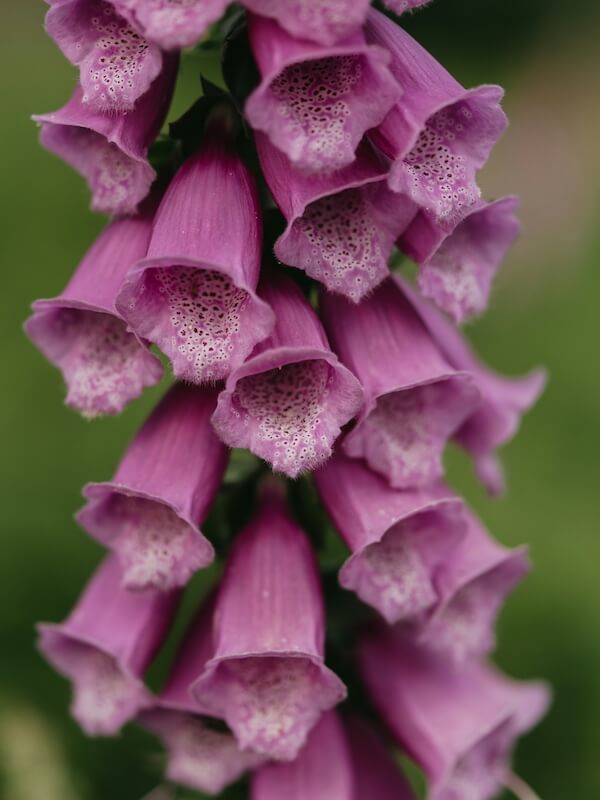
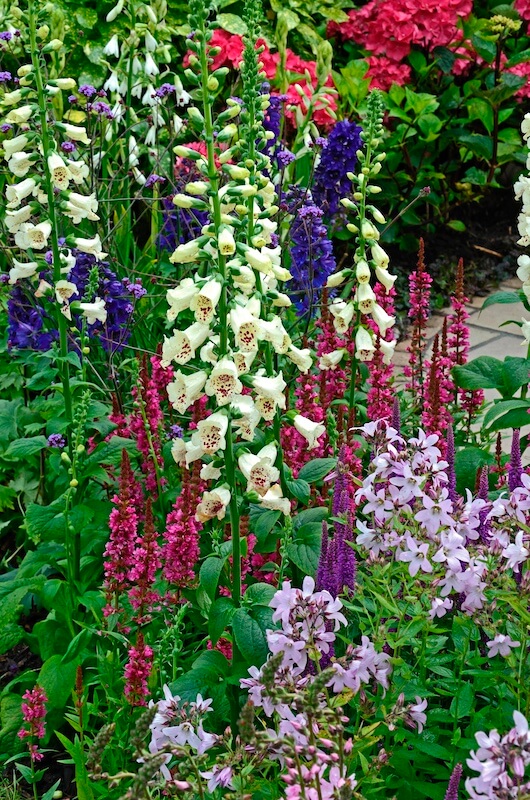
Foxgloves are iconic plants of the traditional British cottage garden. Their tall spires of tubular flowers rise above borders in early summer, creating vertical drama and attracting large numbers of bees. The flowers appear in shades of pink, purple, white, and occasionally apricot.
These plants thrive in partial shade or full sun and prefer fertile, moisture-retentive soil. They are particularly well-suited to woodland gardens or the back of mixed borders. In the UK climate, they are usually biennial, forming leafy rosettes in their first year and flowering in their second.
Foxgloves often self-seed gently around the garden, ensuring a continuing display without much effort. Allowing some flower spikes to set seed will encourage natural regeneration.
Although beautiful, foxgloves are poisonous if ingested, so care should be taken around children and pets. However, they are extremely valuable for pollinators, particularly long-tongued bees that can reach deep into the tubular flowers.
Good beginner varieties include ‘Sutton’s Apricot’, ‘Excelsior Hybrids’, and ‘Dalmatian Purple’, which offer reliable growth and impressive flowering spikes.
Peonies – Large Spring Flowers with Incredible Presence
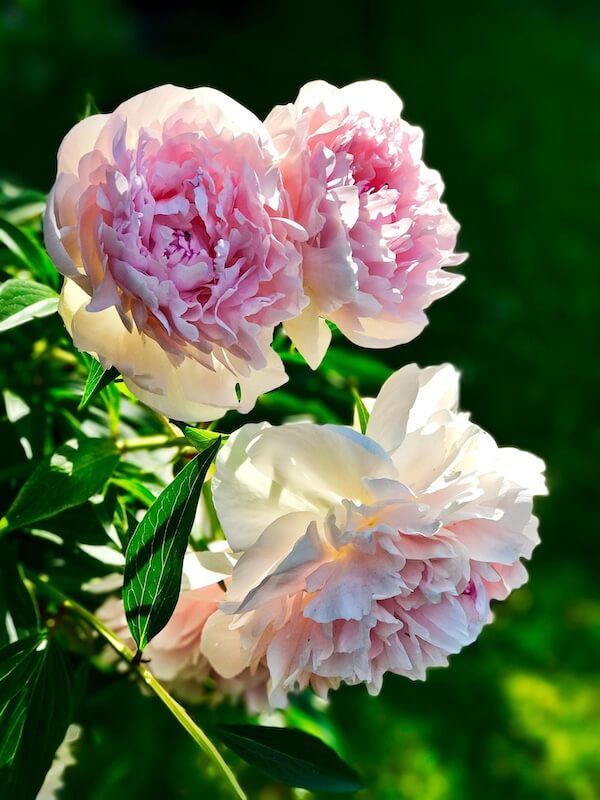
Peonies are treasured for their luxurious, fragrant blooms and lush foliage. Their large, often double flowers appear in late spring and early summer, creating a spectacular display that rivals any ornamental plant. In the UK climate, they perform exceptionally well when planted correctly.
They prefer full sun or light shade and fertile, well-drained soil. When planting, avoid burying the crown too deeply—buds should sit just below the soil surface. If planted too deeply, peonies may produce plenty of leaves but few flowers.
Once established, peonies are long-lived plants that can remain in the same spot for decades. They require minimal maintenance, except for watering during prolonged dry spells and cutting back foliage in autumn.
Peony flowers attract bees and other pollinators, particularly single varieties that expose their pollen more easily. Their blooms also make superb cut flowers for indoor arrangements.
Reliable varieties for UK gardens include ‘Sarah Bernhardt’, ‘Festiva Maxima’, and ‘Karl Rosenfield’, all known for their large, fragrant flowers and dependable performance.
Hydrangeas – Reliable Summer Colour for Beds and Borders
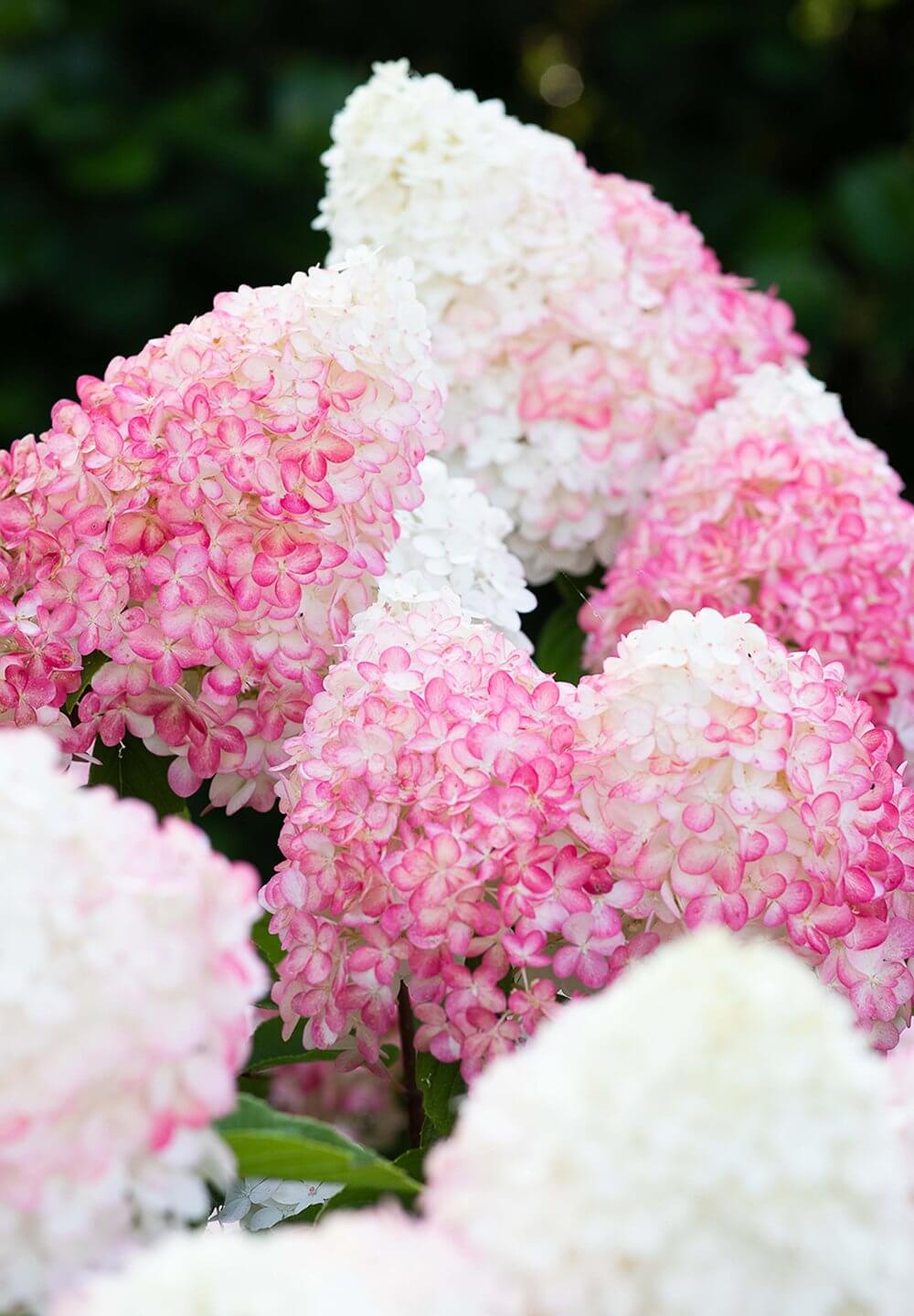
Hydrangeas are among the most reliable flowering shrubs for UK gardens. Their large, showy flower heads provide months of colour, often from midsummer through autumn. Depending on the variety, blooms may appear as rounded mopheads or elegant cone-shaped clusters.
They thrive in moist, fertile soil and perform best in partial shade, although wide varieties tolerate full sun if the soil remains consistently damp. They are well-suited to Britain’s mild summers and generally hardy across most regions.
Watering is important during dry spells, especially for plants growing in containers. A yearly mulch of compost helps retain moisture and improve soil fertility. Pruning requirements vary by species, so check the specific guidance.
Hydrangeas offer excellent late-season interest and combine well with ferns, hostas, and shade-loving perennials. Some varieties also attract pollinators, particularly lacecap types with exposed central flowers.
Good beginner choices include Hydrangea macrophylla ‘Endless Summer’, Hydrangea paniculata ‘Limelight’, and ‘Annabelle’, which are known for their reliability and impressive floral displays.
Geraniums – Hardy Perennials That Flower for Months
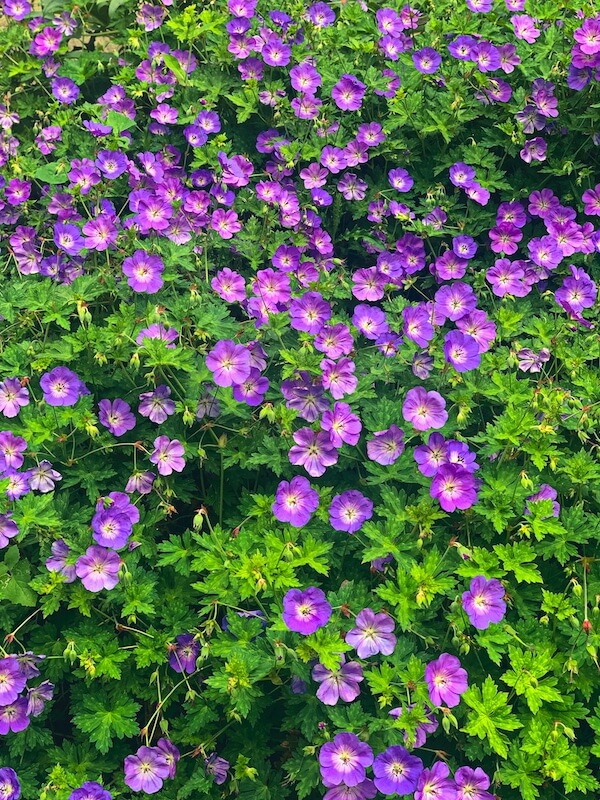
Hardy geraniums, often called cranesbills, are among the most versatile and easy-going plants you can grow. Unlike tender pelargoniums, these perennial geraniums form low mounds of foliage covered with delicate flowers in shades of blue, purple, pink, or white.
They thrive in a wide range of conditions, from sunny borders to partial shade, and tolerate a wide range of soil types. In the UK, they are fully hardy and often flower for several months.
Geranium ‘Rozanne’ is particularly famous for its extremely long flowering season, often blooming from early summer until the first frosts. Plants benefit from a trim after their first flush of flowers to encourage fresh growth and additional blooms.
These plants make excellent ground cover, suppressing weeds while softening the edges of borders. They are also valuable for pollinators, providing nectar throughout the growing season.
Beginner-friendly varieties include ‘Rozanne’, ‘Johnson’s Blue’, and ‘Wargrave Pink’, all known for their reliability and long flowering periods.
Echinacea (Coneflower) – Long-Flowering Plants for Sunny Areas
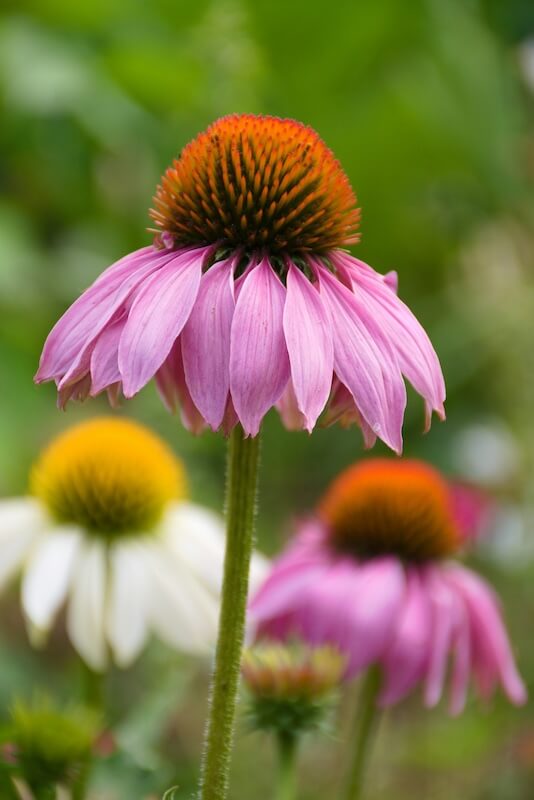
Echinacea, commonly known as coneflower, is a bold and cheerful perennial that thrives in sunny gardens. Its daisy-like flowers feature prominent central cones surrounded by colourful petals in shades of pink, purple, white, or orange.
These plants prefer full sun and well-drained soil. Once established, they are relatively drought-tolerant and cope well with warm summers. In the UK, they are generally hardy, though good drainage is essential during winter.
Echinacea flowers appear in midsummer and continue into early autumn. Deadheading encourages additional blooms, although leaving some seed heads provides winter interest and food for birds.
The flowers are extremely attractive to bees and butterflies, making them excellent additions to pollinator-friendly gardens. They also combine beautifully with ornamental grasses and late-flowering perennials.
Popular beginner varieties include ‘Magnus’, ‘White Swan’, and ‘PowWow Wild Berry’, all known for their strong growth and colourful flowers.
Salvia – Reliable Colour Through the Summer
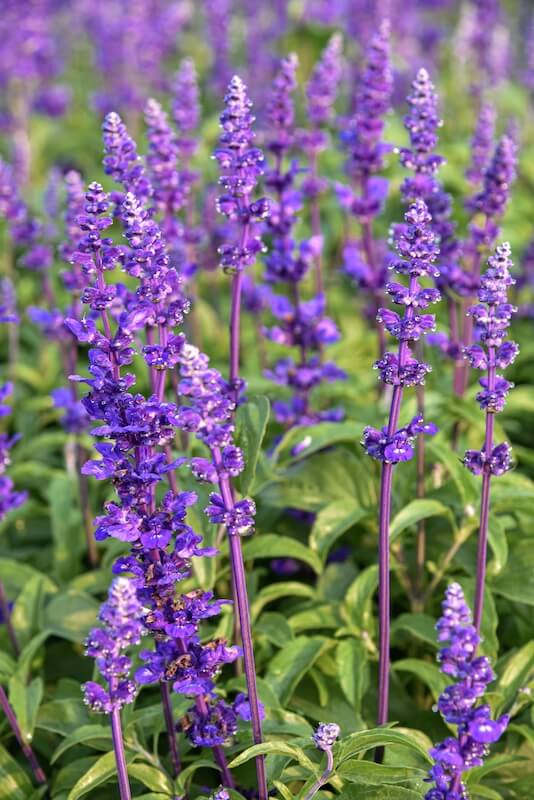
Salvia is a vibrant and long-flowering plant that adds colour, movement, and structure to garden borders. Its upright spikes of tubular flowers appear in shades of purple, blue, pink, red, and white, often rising above aromatic foliage. The slender blooms create a light, airy effect that blends beautifully with other perennials and ornamental grasses. Many salvias flower for months, making them excellent plants for maintaining colour through summer and into early autumn.
In UK gardens, salvias grow best in a sunny position with well-drained soil. Most varieties thrive in fertile, moderately moist soil but dislike heavy, waterlogged ground, especially during winter. Many hardy salvias tolerate temperatures across much of the UK, although providing some shelter from cold winds improves their reliability.
Plant in the spring once the soil warms. Water regularly while plants establish, then reduce watering as they become more drought-tolerant. Feeding during the growing season supports strong flowering. Light pruning in spring encourages bushy growth, while removing spent flower spikes helps extend the blooming period. Most salvias are relatively pest-resistant.
Their nectar-rich flowers attract bees, butterflies, and other pollinators, making them valuable for wildlife gardens. They also combine well with roses, lavender, and echinacea.
Beginner-friendly varieties include Salvia nemorosa Caradonna, Salvia Amistad, and Salvia Hot Lips.
Astrantia – Elegant Summer Flowers for Shaded Borders
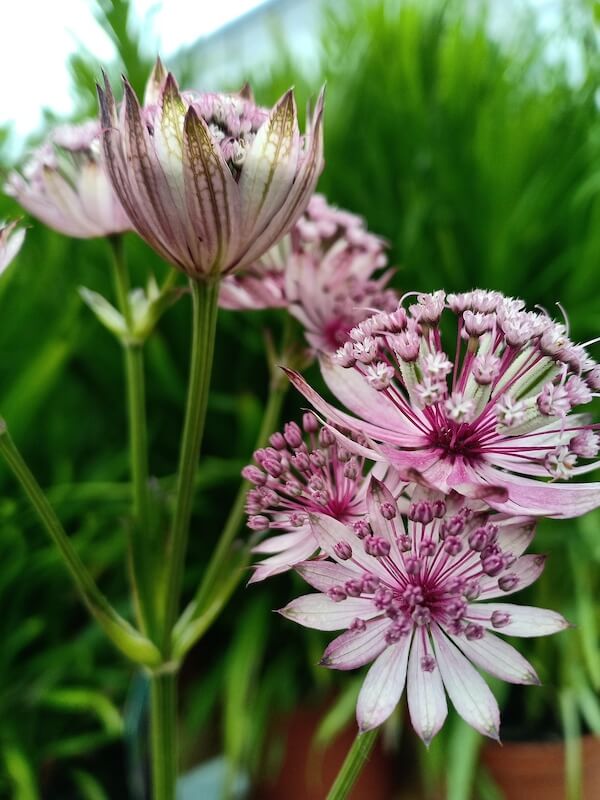
Astrantia is a charming perennial prized for its intricate, star-shaped flowers surrounded by delicate bracts. The blooms appear in shades of white, pink, or deep red, creating a refined, almost lace-like effect in garden borders.
These plants thrive in partial shade and prefer moist, fertile soil. They are particularly well-suited to woodland gardens or the edges of shaded borders where many other flowering plants struggle.
Astrantia flowers for a long period during summer and often produces a second flush if spent blooms are removed. Regular watering during dry spells helps maintain healthy growth.
The flowers are highly attractive to pollinators, especially bees and hoverflies. They also make excellent cut flowers and dry well for floral arrangements.
Reliable varieties include ‘Roma’, ‘Major’, ‘Shaggy’ and the deep burgundy ‘Claret’. All are relatively easy to grow and add subtle elegance to mixed plantings.
Penstemon – Long-Flowering Spikes for Summer and Autumn Colour
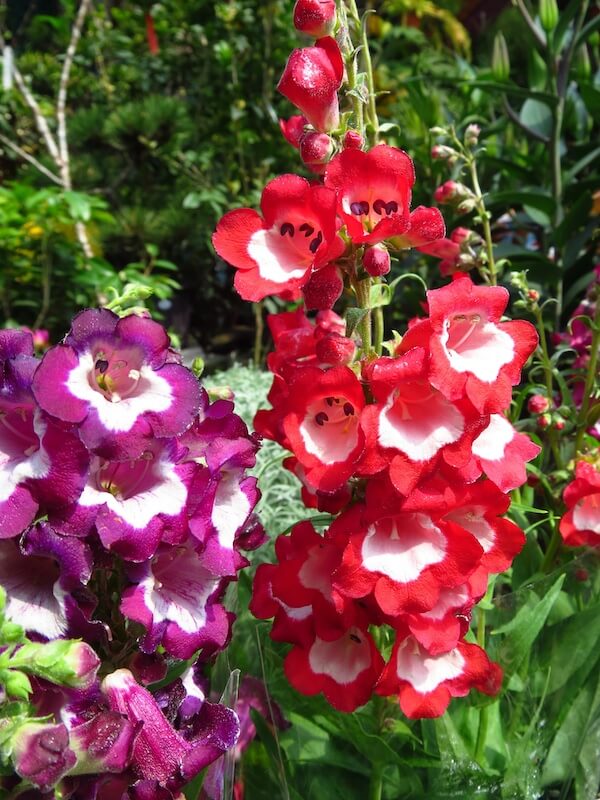
Penstemons are vibrant perennials known for their tubular flowers and long flowering season. Their colourful blooms appear in shades of pink, purple, red, and white, often continuing from early summer until autumn.
They grow best in sunny, well-drained soil and perform particularly well in sheltered gardens. Although a wide variety of plants are reasonably hardy in the UK, they benefit from good drainage and protection from harsh winter conditions.
Penstemons require minimal care once established. Light pruning in spring encourages bushier growth, while deadheading helps extend the flowering season.
These plants are extremely attractive to bees and other pollinators thanks to their nectar-rich tubular flowers. They also combine beautifully with ornamental grasses and other late-flowering perennials.
Good beginner varieties include ‘Garnet’, ‘Raven’, and ‘Pensham Just Jayne’, all known for their vibrant colours and long flowering periods.
Delphiniums – Tall Blue Spires for Classic Borders
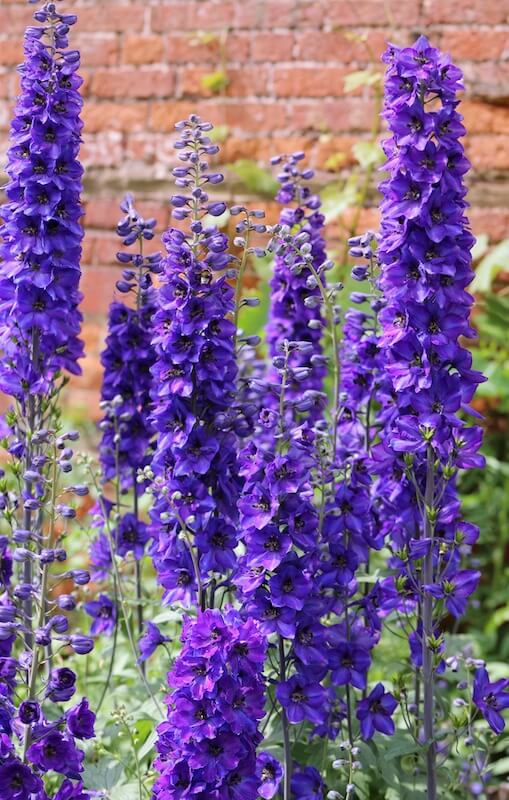
Delphiniums are dramatic perennials that bring height and elegance to garden borders. Their tall spikes of blue, purple, pink, or white flowers create a striking vertical accent that immediately draws the eye upward. In traditional cottage gardens, they often form the backbone of early summer displays, standing proudly behind lower-growing perennials and softening the lines of fences or walls. Their bold flower spires also make impressive cut flowers for indoor arrangements.
They thrive in fertile, well-drained soil and prefer sunny locations sheltered from strong winds. In the UK, they are generally hardy but benefit from protection from exposure to harsh conditions. Because their tall stems can be heavy with blooms, staking is often necessary to prevent them from bending or snapping during windy weather.
Regular watering and feeding help maintain vigorous growth, while removing spent flower spikes often encourages a second flush of blooms later in the season. Applying a mulch in spring can also help retain moisture and improve soil fertility.
Delphiniums are highly attractive to pollinators, particularly bees, and combine beautifully with roses, foxgloves, and other cottage-garden plants.
Popular varieties include Black Knight, Pacific Giants, and Magic Fountain, all widely grown for their impressive flower spikes.
Verbena bonariensis – Tall, Airy Flowers That Add Lightness to Borders
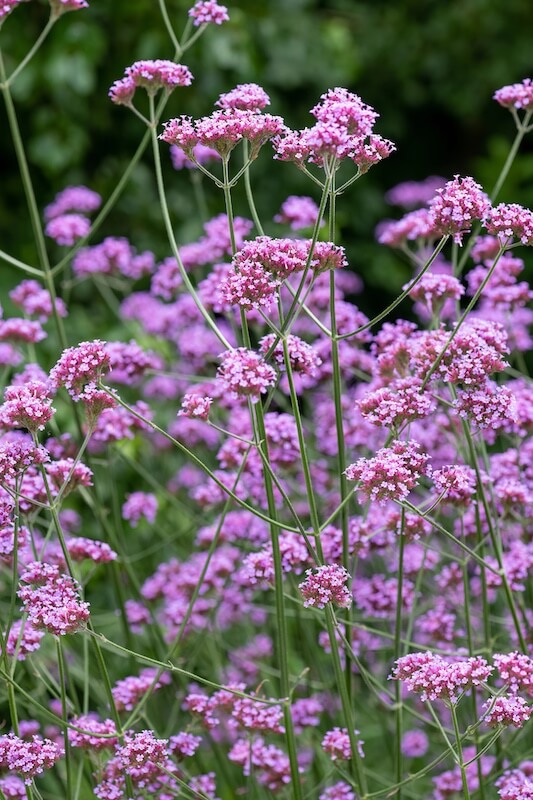
Verbena bonariensis is a tall, airy perennial that adds movement and lightness to garden borders. Its clusters of small purple flowers appear on slender stems, creating a graceful “see-through” effect that blends beautifully with surrounding plants. Because the stems are thin and widely spaced, they allow sunlight to filter through while still adding height and colour.
It thrives in full sun and well-drained soil and is relatively drought-tolerant once established. In the UK climate, it may behave as a short-lived perennial, but it often self-seeds freely, creating natural drifts of plants that return each year with little effort.
Verbena flowers attract butterflies, bees, and many other pollinators, making them excellent additions to wildlife-friendly gardens. They work particularly well when planted among ornamental grasses, echinacea, or rudbeckia, where their tall stems weave gently through neighbouring plants.
Popular varieties include the classic Verbena bonariensis and the shorter, more compact Lollipop, which is well suited to smaller borders and container planting.
Anemone hupehensis (Japanese Anemone) – Graceful Flowers for Late Summer and Autumn Gardens
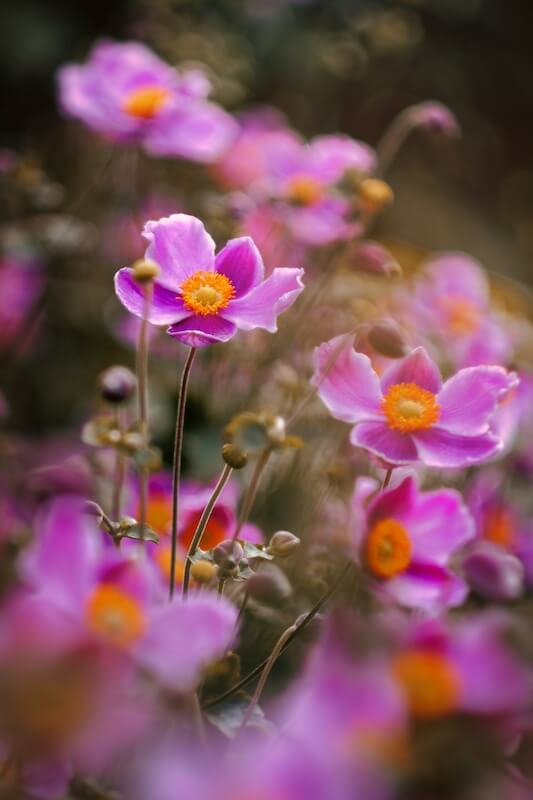
Japanese anemones are graceful perennials that brighten gardens in late summer and autumn, just when many other flowering plants begin to fade. Their elegant blooms, usually white or soft pink, appear on tall, slender stems above attractive foliage, creating a light and airy display that sways gently in the breeze.
They thrive in partial shade and moist, fertile soil enriched with organic matter. These plants are particularly well-suited to woodland-style borders or the edges of shady beds where conditions remain cool and slightly damp. Once established, they are hardy and long-lived, gradually forming attractive clumps that reliably return each year.
Japanese anemones require relatively little maintenance. Watering during dry spells helps maintain healthy growth, while cutting back stems after flowering keeps the plant tidy. A yearly mulch of compost or leaf mould also supports strong growth.
Varieties such as Honorine Jobert, September Charm, and Whirlwind are particularly popular for their elegant flowers and dependable garden performance.
Lupins – Bold Spires for Colourful Borders
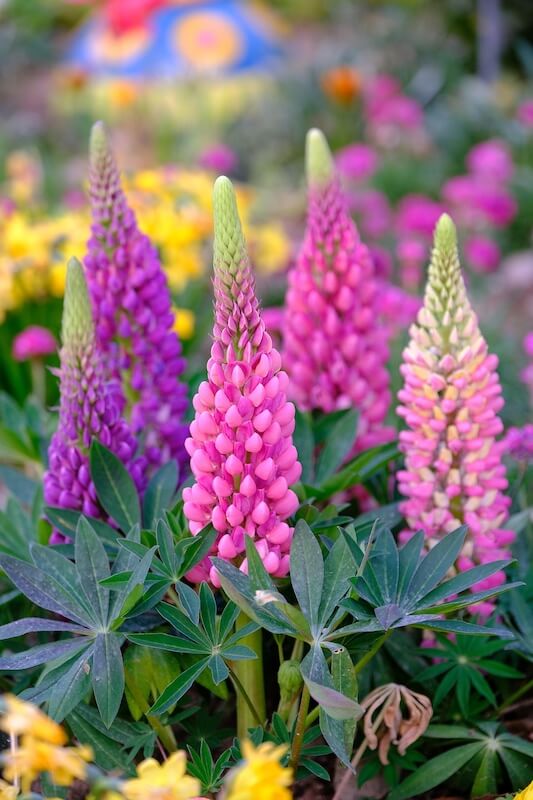
Lupins are classic cottage-garden plants known for their colourful spires of flowers that rise proudly above lush, palmate foliage. Their tall flower spikes appear in a wide range of colours, including deep purple, blue, pink, yellow, red, and creamy white. These bold blooms bring strong vertical interest to borders and are especially effective when planted in groups.
They grow best in sunny positions with well-drained soil and are generally hardy throughout most parts of the UK. They appreciate fertile soil and perform particularly well in borders enriched with organic matter. Regular watering during dry periods helps maintain strong growth and encourages reliable flowering.
Deadheading spent blooms often encourages a second flush later in the season. In autumn, cutting back old stems helps keep plants tidy and promotes healthy new growth the following year.
These plants also improve soil health by fixing nitrogen through their roots, making them beneficial companions for other garden plants.
Popular varieties include The Governor, My Castle, and Russell Hybrids, all known for their striking colours and impressive flower spikes.
From Darren’s Patch
One of the things I enjoy most about gardening in the UK is the incredible variety of flowers that thrive here with surprisingly little fuss. When I plan a border, I rarely rely on just one or two plants. Instead, I like to mix reliable favourites such as roses, lavender, and daffodils with longer-flowering perennials like geraniums, echinacea, and verbena. That combination keeps colour moving through the garden from early spring right into autumn. I also pay close attention to how plants support wildlife. A garden feels far more alive when bees drift between foxgloves or alliums on a warm afternoon. Over the years, I’ve learned that choosing dependable, well-suited plants makes all the difference. Start with a few of these classics, give them good soil and the right position, and they will reward you with colour and life season after season.

Key Points to Remember
- Choose flowers suited to the UK’s climate for reliable performance
- Mix spring, summer, and autumn bloomers for year-round interest
- Plant bulbs such as daffodils and alliums in autumn
- Many perennials thrive when planted in spring or early autumn
- Deadheading encourages many flowers to bloom for longer
- Feed flowering plants during active growth for stronger displays
- Provide good drainage for plants that dislike wet soil
- Include nectar-rich flowers to support bees and butterflies
- Water plants regularly during dry periods, especially in containers
- Combine different heights and colours for a vibrant garden design
Adding beautiful flowers to your garden is one of the simplest ways to create colour, fragrance, and wildlife interest throughout the year. The plants featured in this guide are proven performers in UK gardens and are widely available at garden centres and online nurseries. With the right planting position and a little seasonal care, these flowers will reward you with reliable blooms year after year. Whether you are refreshing an existing border or starting a brand-new garden, introducing a selection of these classic plants is a wonderful step towards creating a vibrant and welcoming outdoor space.
Frequently Asked Questions
Q: What are the easiest flowers to grow in UK gardens?
A: Many flowers on this list are ideal for beginners because they cope well with the UK’s climate and require minimal care. Reliable choices include lavender, daffodils, hardy geraniums, cosmos, and nigella. These plants establish quickly and tolerate a range of soil conditions. Perennials such as echinacea, hydrangeas, and hellebores also perform well once settled. Success usually comes down to matching the plant with the right conditions. Most flowering plants prefer good drainage, reasonable sunlight, and an annual organic mulch. Water during dry spells and feed plants during the growing season to encourage healthy growth and abundant blooms.
Q: Which flowers attract bees and other pollinators?
A: Many traditional garden flowers provide excellent food sources for pollinators. Lavender, foxgloves, echinacea, verbena bonariensis, penstemon, and single dahlias are particularly valuable for bees and butterflies. These plants produce nectar-rich flowers that support insects throughout the growing season. Early bloomers such as hellebores help pollinators emerging from winter, while late-flowering plants like Japanese anemones extend the feeding period into autumn. Creating a garden with a mix of flowering times ensures pollinators always have something available. Avoid excessive pesticide use and allow some plants to seed naturally to encourage a thriving wildlife-friendly garden.
Q: How can I keep flowering plants blooming for longer?
A: A few simple techniques help extend flowering displays in garden borders. Deadheading spent blooms encourages plants such as dahlias, cosmos, penstemons, and roses to produce fresh flowers. Regular watering during dry periods also keeps plants healthy and prevents stress that can shorten the blooming season. Feeding plants during active growth supports strong flowering performance. For many perennials, cutting back tired foliage after the first flush can trigger a second display. Choosing varieties with naturally long flowering seasons, such as geranium Rozanne or penstemons, also ensures colour remains in the garden from early summer through to autumn.
Q: Which flowers are best for shady areas?
A: Shaded gardens can still support beautiful flowering plants. Hellebores, hydrangeas, foxgloves, astrantia, and Japanese anemones all perform well in partial shade or dappled woodland conditions. These plants prefer moisture-retentive soil enriched with organic matter such as compost or leaf mould. Many shade-loving species actually prefer protection from strong afternoon sun, which can scorch delicate foliage and flowers. Hydrangeas and hellebores are particularly useful because they also provide long seasonal interest. When planning a shady border, combining foliage plants with flowering perennials creates a balanced and visually appealing planting scheme.
Q: Do flowering plants need regular feeding?
A: Most flowering plants benefit from occasional feeding during the growing season, particularly those that produce large or repeated blooms. Roses, dahlias, sweet peas, and delphiniums respond especially well to regular feeding as they grow and develop flowers. Feeding supports healthy root development, strong stems, and improved flowering performance. Many gardeners use balanced garden feeds or organic products applied in spring and early summer. A yearly mulch of compost or well-rotted manure also improves soil fertility naturally. Avoid excessive feeding, however, as this may encourage leafy growth at the expense of flowers.
Q: When is the best time to plant flowers in the UK?
A: Planting times depend on the type of flower you are growing. Bulbs such as daffodils and alliums are usually planted in autumn so they can establish roots before spring. Perennials like peonies, geraniums, and echinacea can be planted in spring or autumn when the soil is workable. Annual flowers such as cosmos and nigella are typically sown in spring once the soil warms. Autumn planting is often beneficial for hardy plants because it allows roots to develop during mild winter conditions, leading to stronger growth the following year.
Q: Which flowers provide colour throughout the year?
A: A well-planned garden can offer flowers in every season. Hellebores provide colour in late winter and early spring. Daffodils and tulips follow soon after with vibrant spring displays. Early summer brings foxgloves, peonies, and lupins, while mid-summer favourites include roses, echinacea, cosmos, and penstemons. Late-season performers such as Japanese anemones, hydrangeas, and dahlias continue flowering into autumn. By mixing early, mid, and late bloomers within borders, gardeners can maintain colour for many months and create a constantly changing display that keeps the garden lively.
Q: Are these flowers suitable for containers?
A: Many of these flowers grow very successfully in containers, making them ideal for patios, balconies, and smaller gardens. Compact roses, hydrangeas, lavender, dahlias, and cosmos all adapt well to container growing when provided with a large enough pot and good compost. Containers should have drainage holes and be watered regularly, especially during warm weather. Plants grown in pots benefit from consistent feeding because nutrients wash out of compost more quickly than garden soil. Container displays also allow gardeners to experiment with colour combinations and seasonal arrangements.
Q: Where can these flowers be purchased?
A: Most of these popular flowers are widely available from reputable garden centres and plant nurseries across the UK. Gardeners can usually find them as young plants, bulbs, seeds, or potted specimens depending on the season. Many specialist nurseries also offer a wider selection of varieties online, allowing gardeners to order plants for home delivery. Buying from trusted suppliers helps ensure plants are healthy and correctly labelled. Whether purchased locally or online, these classic garden flowers are easy to source and suitable for gardeners at every level of experience.